Author Recent Posts Mahnoor Sohail Latest posts by Mahnoor Sohail (see all) Indian Media as a Hindrance in Pakistan–India Relations – June 24, 2026 How Climate Change Is Threatening Pakistan’s Economy – June 18, 2026 HOW INTERNATIONAL MEDIA IS VIEWING ALL PRAISE FOR ISLAMABAD – June 3, 2026
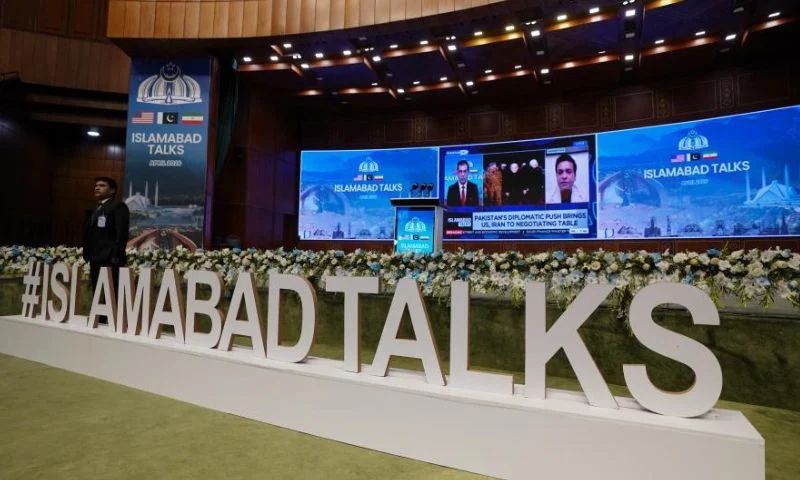
An irony of the Iran crisis in 2026 is that the world’s attention has turned to Islamabad. Over the past few months, Pakistan’s diplomatic role has been the focus of attention of global media, regional commentators, and foreign policy analysts amid one of the Middle East’s most critical periods. The image of Pakistan has also turned positive in the West, the Middle East, and even in other neighbouring nations since Islamabad is seen as a city that will engage in mediation, dialogue and regional stability. In many ways this is a change in the perception of Pakistan globally. Foreign media’s debate on Pakistan for years was revolving around the issue of political instability, economic issues, or security issues. But today’s international situation has given Islamabad the chance to look different, i.e., more diplomatic and strategic. The world is starting to take note of Pakistan not only as a regional player, but also as an emerging actor in diplomacy, as reported in the international news.
Pakistan’s role in facilitating dialogue in the ongoing tensions between Iran is being discussed by international news organizations like Reuters, Al Jazeera and BBC discussions. A few weeks ago, Reuters reported on Pakistan’s efforts for diplomatic coordination in relation to the ongoing regional negotiations, and Al Jazeera called Islamabad a confident mediator. These scenes are indicative of the expanding international trust in Pakistan as a player in diplomatic affairs. The praises are not confined to Western media alone. The Palestinian media, which includes journalists and commentators in Middle Eastern media outlets, have also reported about Pakistan in this regard. The calls to restraint, ceasefires and peaceful negotiations by Islamabad repeatedly were lauded. Several commentators said that Pakistan was seen as a nation that wanted peace rather than confrontation in the region, and that this message struck a chord in many areas of the Muslim world.
The Iranian media has also recognized Pakistan’s neutral stance in diplomacy. Islamic analysts in Tehran hailed Islamabad for balancing its respectful relations with Tehran and the promotion of relations with other world powers. It was said that Pakistan was a reliable neighbouring country which refrained from any provocative statements and instead encouraged dialogue and negotiation. This positive coverage further enhanced Pakistan’s image as a mature voice in regional affairs. During the crisis, American journalists and foreign policy analysts have begun to acknowledge the strategic significance of Pakistan too. Several commentators pointed out that Islamabad has a rare diplomatic asset that it can carry forward in maintaining good relations with Iran, Gulf states, China and the USA at the same time. Diplomatic flexibility has enabled Pakistan to emerge as an important link between the competing powers in a polarised geopolitical landscape.
Among the prominent factors that contributed to the favourable response from abroad, Pakistan’s cautious foreign policy approach is paramount. Islamabad not only pleaded for peaceful resolutions and diplomacy but also emphasized the need for stability and calm in the region, unlike other nations that openly supported one side of the conflict. This even-handed approach enabled the international media to view Pakistan as an active and responsible state working towards de-escalation, rather than escalation. The growing international attention on Islamabad, in fact, mirrors the change in Pakistan’s international image. The discourse around Pakistan has shifted from the conventional security narrative and has now shifted to the realm of diplomacy, communication and geopolitical relevance. It seems the world media is now taking more interest in Islamabad’s mediation skills during the tough times of the international crises.
Importantly, this change of perspective is not unique to the Iran crisis, but has broader implications. International image is important to diplomacy, trade, investment, and geopolitics. The visibility in trusted global platforms gives Pakistan a good credibility on the international platform and indicates that Pakistan can make a constructive contribution during times of global uncertainty. However, the praise of the international media does not automatically solve Pakistan’s internal and external problems. But the fact that Islamabad’s diplomacy is being recognized internationally in this way, is not something that was seen as often as it was in prior years. As the world grows more polarized and hostile, Pakistan’s focus on dialogue and a positive, balanced approach has made it interesting for journalists, analysts, and policy makers.
Finally, despite the various ways the international media has latched onto Islamabad’s diplomacy during the crisis over Iran, it is important to recognize a fact that is slowly becoming apparent: Pakistan is being viewed differently. Islamabad is increasingly becoming a symbol of mediation, communication, and strategic diplomacy, rather than just a place of discussion around conflict and instability. Following the prominent media attention and acclaim received by the Pakistani diplomatic mission from regional and international media outlets, including Palestinian analysts, Iran’s media and American analysts, it is evident that Pakistan’s diplomatic voice has gained a greater weight in the recent regional and global scenario. In a region where tensions remain a risk to peace, Islamabad’s diplomatic approach has made it appear as though it is a nation that promotes dialogue over confrontation. The international media coverage of Pakistan is clearly making the world focus more on Islamabad.

- Indian Media as a Hindrance in Pakistan–India Relations - June 24, 2026
- How Climate Change Is Threatening Pakistan’s Economy - June 18, 2026
- HOW INTERNATIONAL MEDIA IS VIEWING ALL PRAISE FOR ISLAMABAD - June 3, 2026