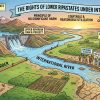
Rivers and their water, historically, have remained a red line for almost every civilization. Access to water has always been essential for ancient settlements. In today’s modern times, things remain largely unchanged. In almost every part of the world, there is an issue linked to either oceans, seas, or rivers. The subcontinent, after its independenceREAD MORE
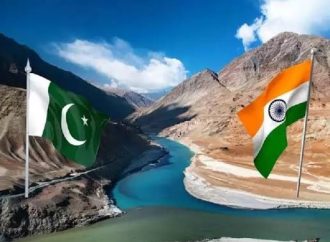
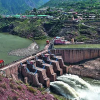
Water is being used as a weapon by India against Pakistan, and if India continues along this path, the Indus might become the next flash point in South Asia's most volatile rivalry. The Indus Waters Treaty (IWT) was a cornerstone of peace between the two hostile nuclear powers for 65 years, until it was unilaterallyREAD MORE
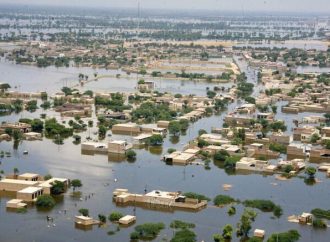
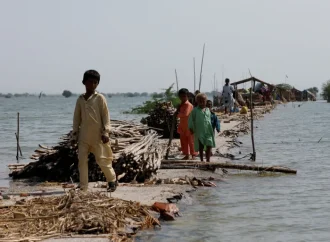
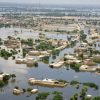
The problem of climate change is no longer just an environmental problem; it has now become one of the biggest economic problems in the country. While people focus on issues like inflation, unemployment, national debts, and political instability, not enough attention is paid to the impact of climate change. The 2022 floods were a starkREAD MORE
Global climate finance remains slow to translate into effective local action, especially for vulnerable countries like Pakistan. Despite facing frequent floods, droughts, glacial melt, and erratic monsoon rains that strain its people, economy, and ecosystems, Pakistan continues to struggle with accessing and utilizing climate funds at the local level. In order to assist countries likeREAD MORE
Pakistan’s 2025 climate crisis show that warnings and evacuations can save lives, but only prevention will be able to build resilience. The present climate crisis will be remembered as triple stress tests. There have been floods in Punjab, a heatwave in May and glacier lake outburst in the north. Sirens wailed across riverine districts andREAD MORE
Timely investments in early warning systems, glacier and watershed management, green infrastructure, and community-led adaptation can save northern Pakistan’s communities. The mountain valleys that feed the Indus and sustain millions face faster glacier melt, growing glacial lakes, deforestation, and more intense monsoon floods. Those hazards now combine with weak local infrastructure and limited disaster fundingREAD MORE