Islamabad, January 20, 2026:
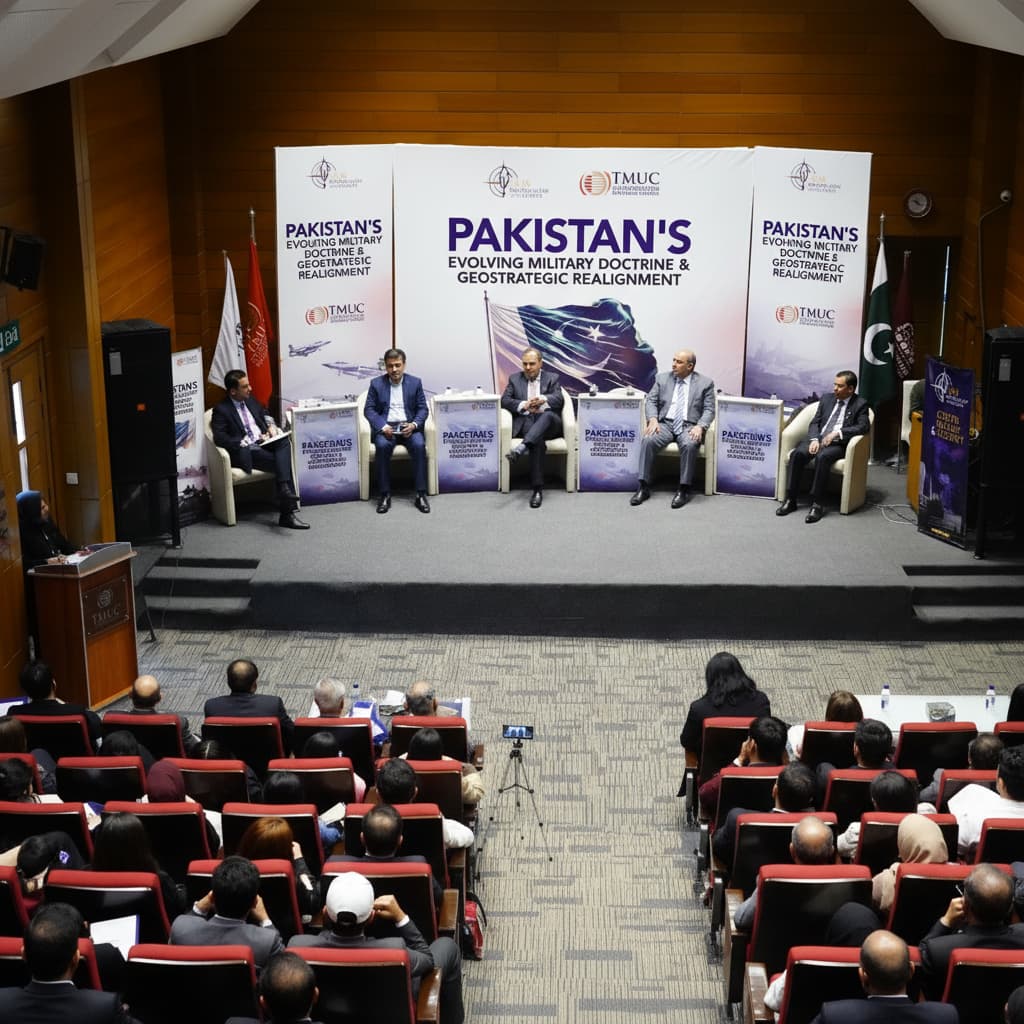
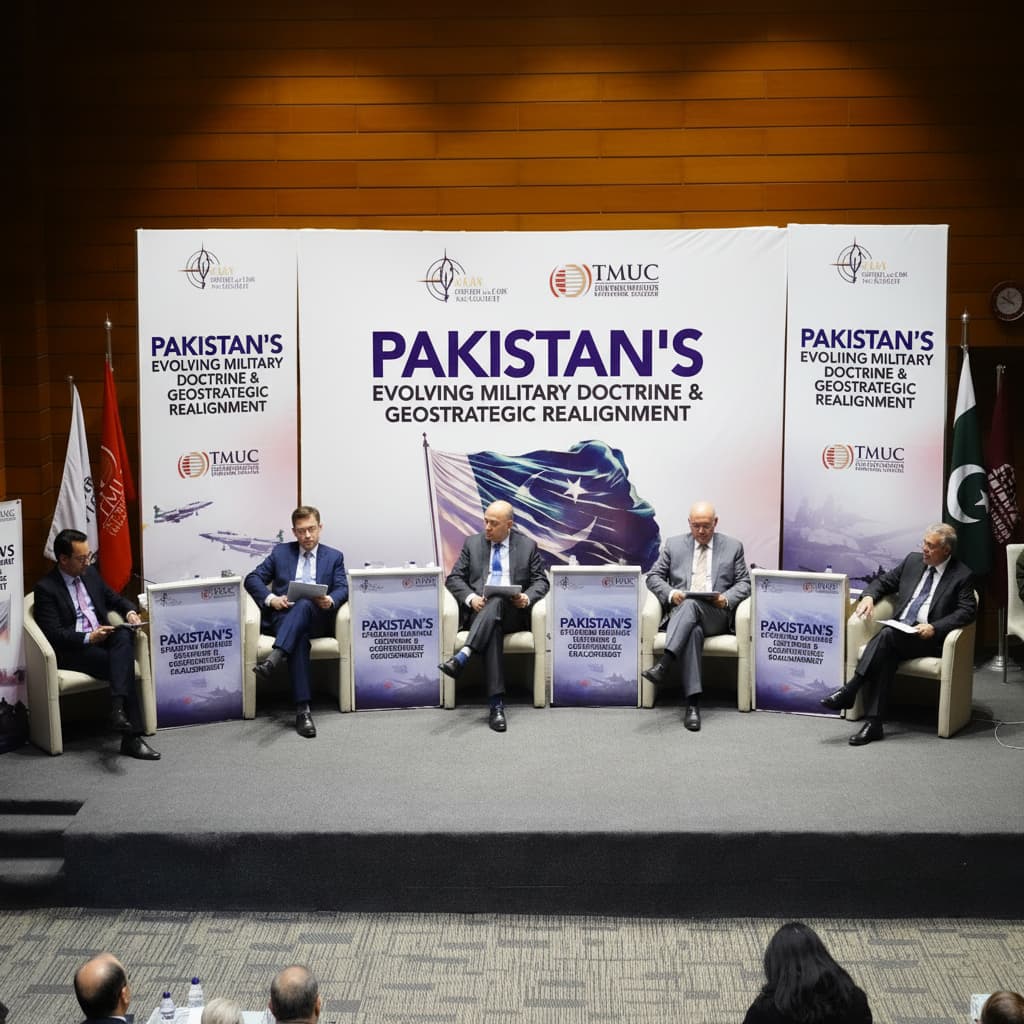
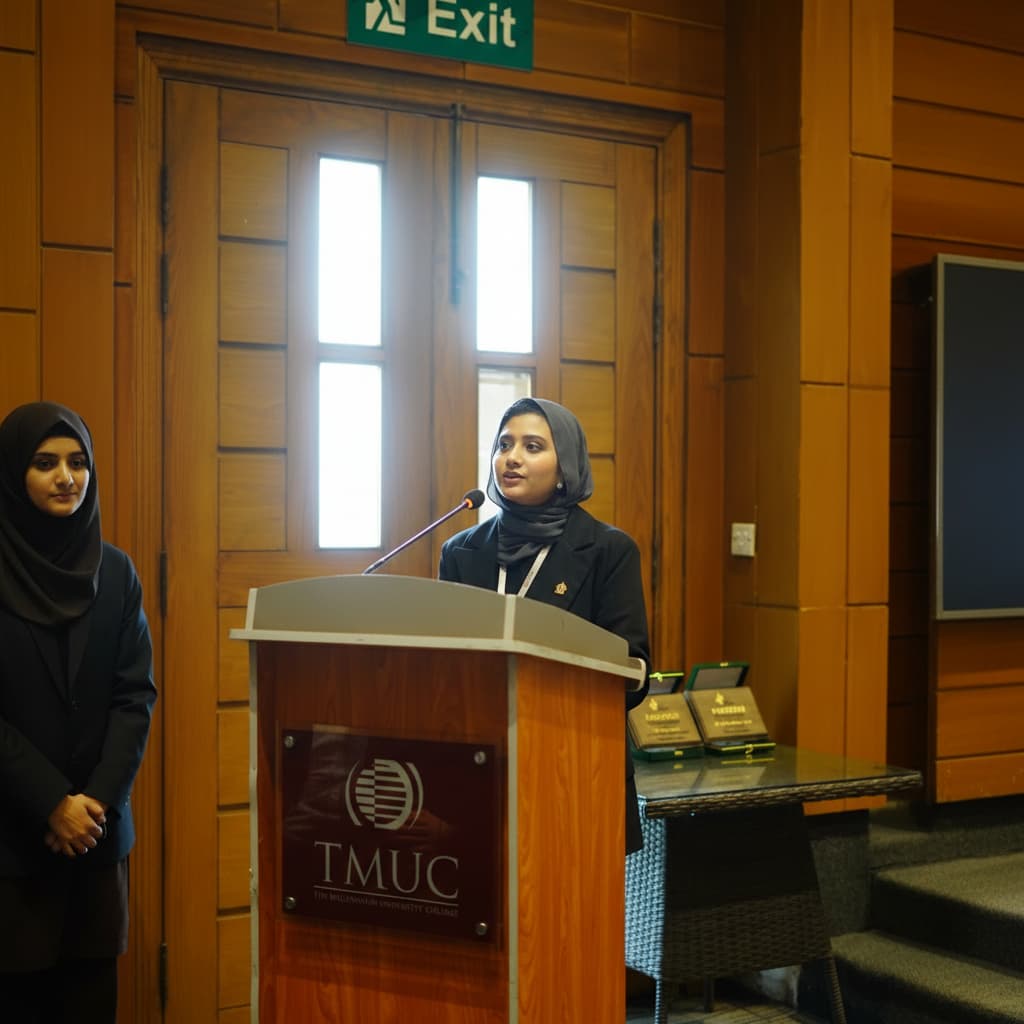
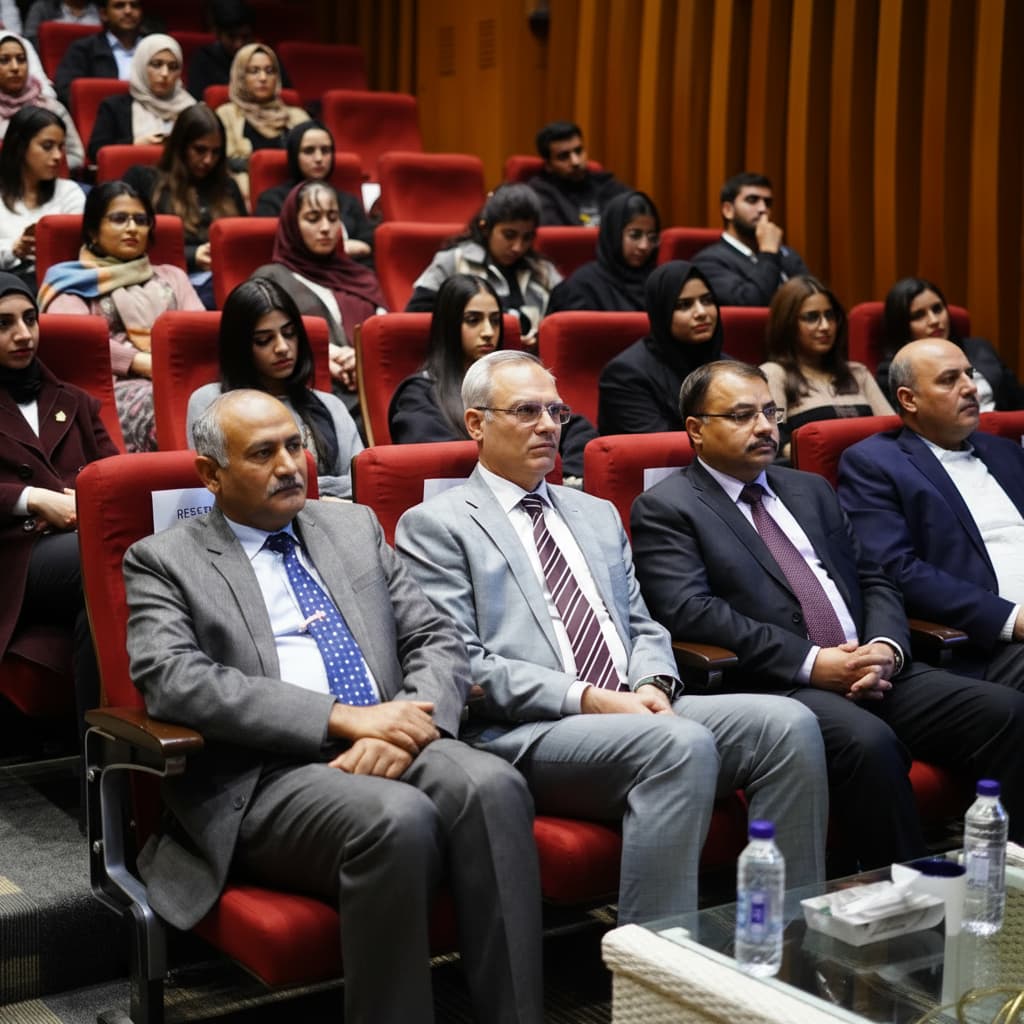
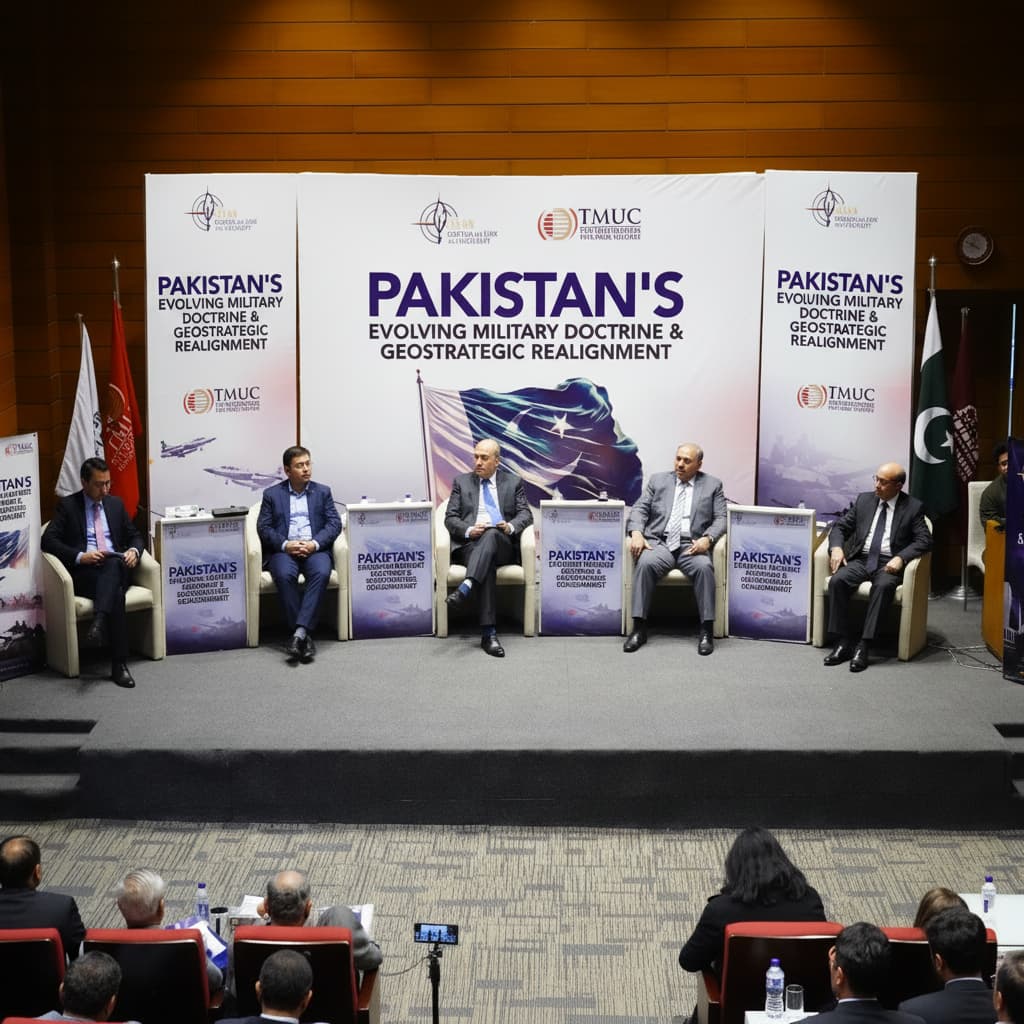
The Centre for Law and Security (CLAS) organized a high-level panel discussion titled “Pakistan’s Evolving Military Doctrine & Geo-Strategic Realignment” on Tuesday in Islamabad, bringing together senior policymakers, strategic experts, and academicians to deliberate on Pakistan’s changing security outlook amid shifting regional and global dynamics.
Dr. Zahir Kazmi, Advisor Arms Control at the Strategic Plans Division (SPD), National Command Authority, delivered his remarks focusing on Pakistan’s strategic doctrine from an arms control perspective. He highlighted the credibility of Pakistan’s deterrence posture, stressing that it remains defensive, responsible, and aimed at preserving strategic stability in South Asia. He underscored the importance of strong command and control mechanisms and constructive engagement in global arms control and non-proliferation frameworks.
Dr. Adil Sultan, Dean Faculty of Aerospace and Strategic Studies (FASS), Air University Islamabad, examined the evolution of Pakistan’s military doctrine in response to modern warfare trends, including hybrid threats, technological innovation, and emerging domains such as cyber and space. He stressed that future conflicts would be multidimensional, requiring doctrinal flexibility, inter-services coordination, and civil-military synergy.
Dr. Zafar Nawaz Jaspal, Dean Faculty of Social Sciences at Quaid-i-Azam University, Islamabad, provided an academic assessment of Pakistan’s evolving geo-strategic environment. He discussed the implications of regional rivalries, shifting alliances, and great power competition on Pakistan’s strategic calculus, emphasizing the need to harmonize foreign policy, economic resilience, and defense planning.
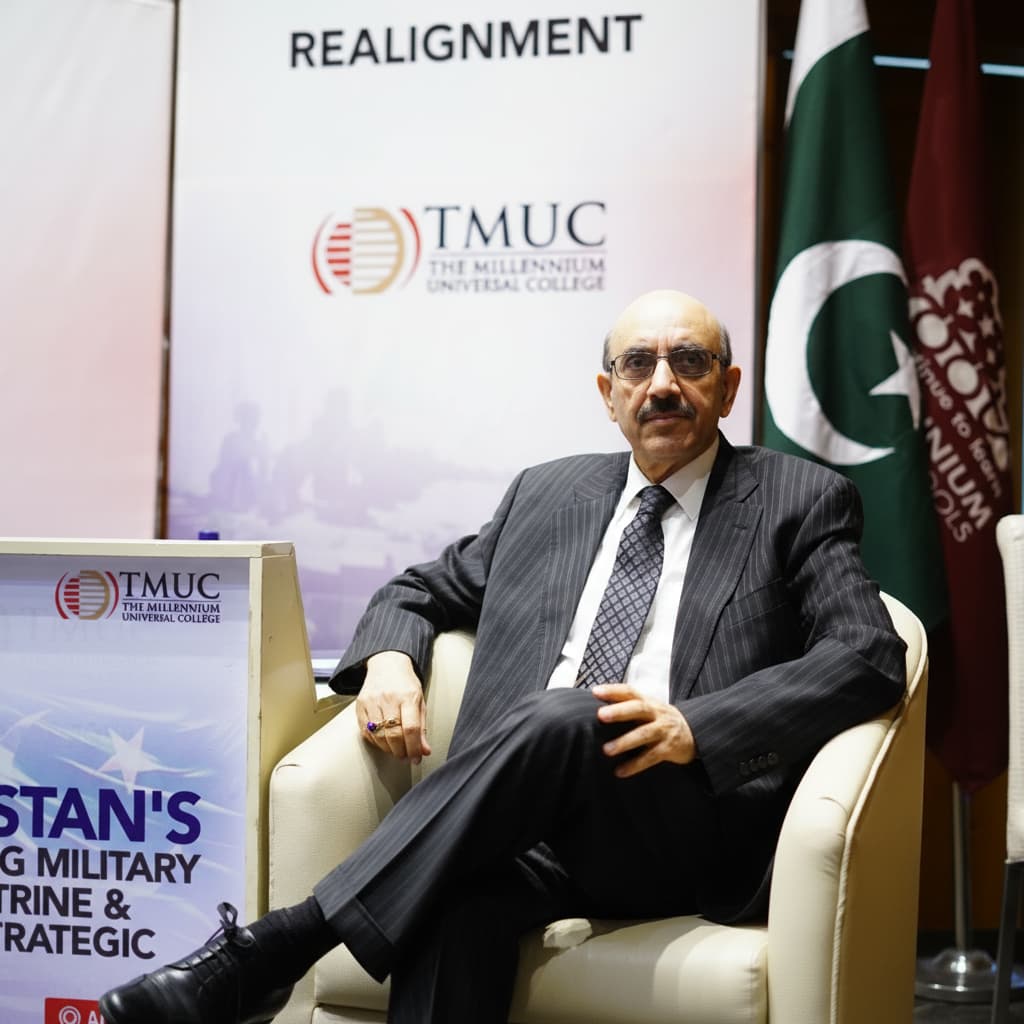
Delivering the closing remarks as Guest of Honor, Ambassador Sardar Masood Khan, former Ambassador of Pakistan to the United States and China, emphasized that economic security and human capital development are now central pillars of national security and military effectiveness. He noted that a state’s strategic strength is no longer defined solely by military hardware but by the resilience of its economy, the quality of its human resources, and its capacity for innovation. Ambassador Khan underscored that sustainable economic growth, investment in education and skills, and institutional capacity-building are critical for supporting Pakistan’s defense posture and enhancing its geo-strategic relevance in an increasingly competitive global environment.
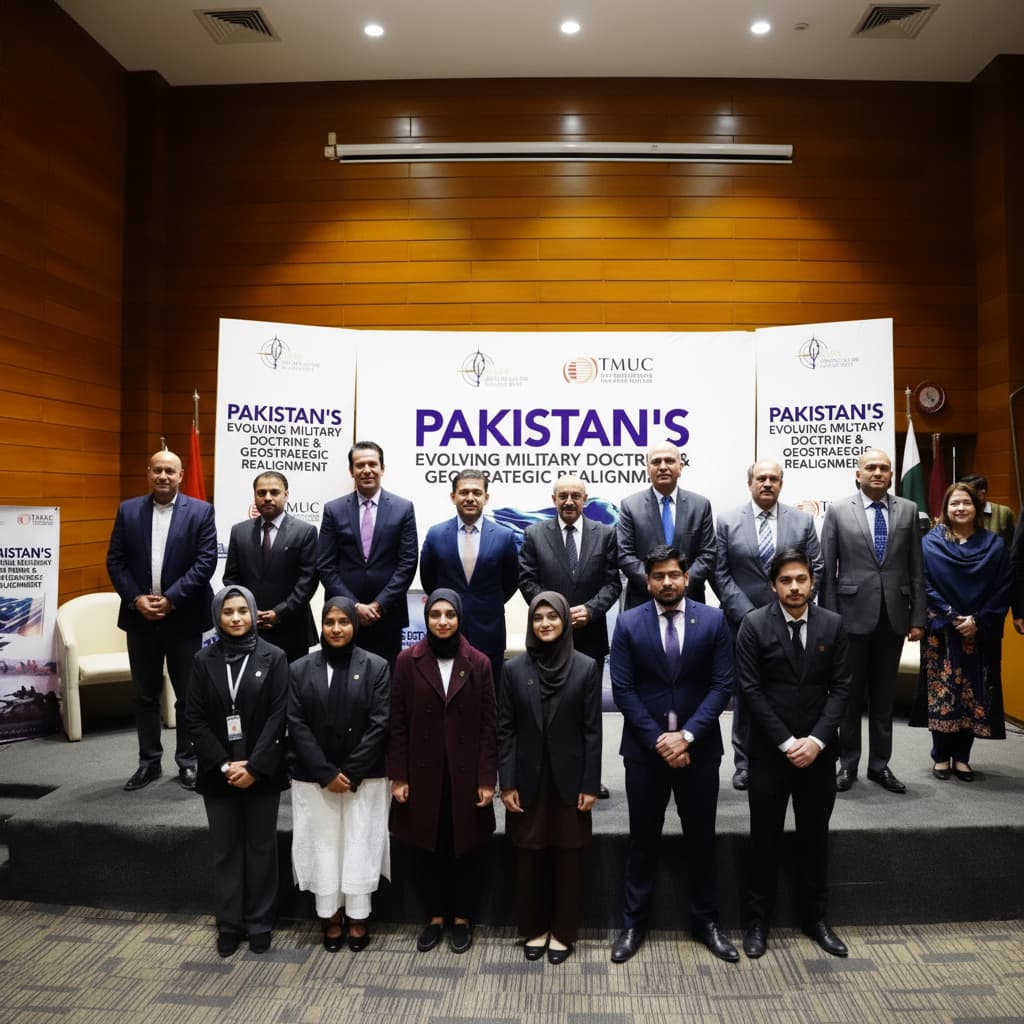
A moderated discussion led by Mr. Rehman Azhar Executive Director CLAS, allowed participants to engage directly with the panelists on issues related to deterrence stability, geo-strategic realignment, and the integration of economic and human security into national defense planning. The session concluded with a souvenir presentation.
The panel discussion aimed at promoting informed and forward-looking discourse on military doctrine, economic security, and strategic policy, contributing to evidence-based policymaking and a deeper understanding of Pakistan’s evolving security landscape.