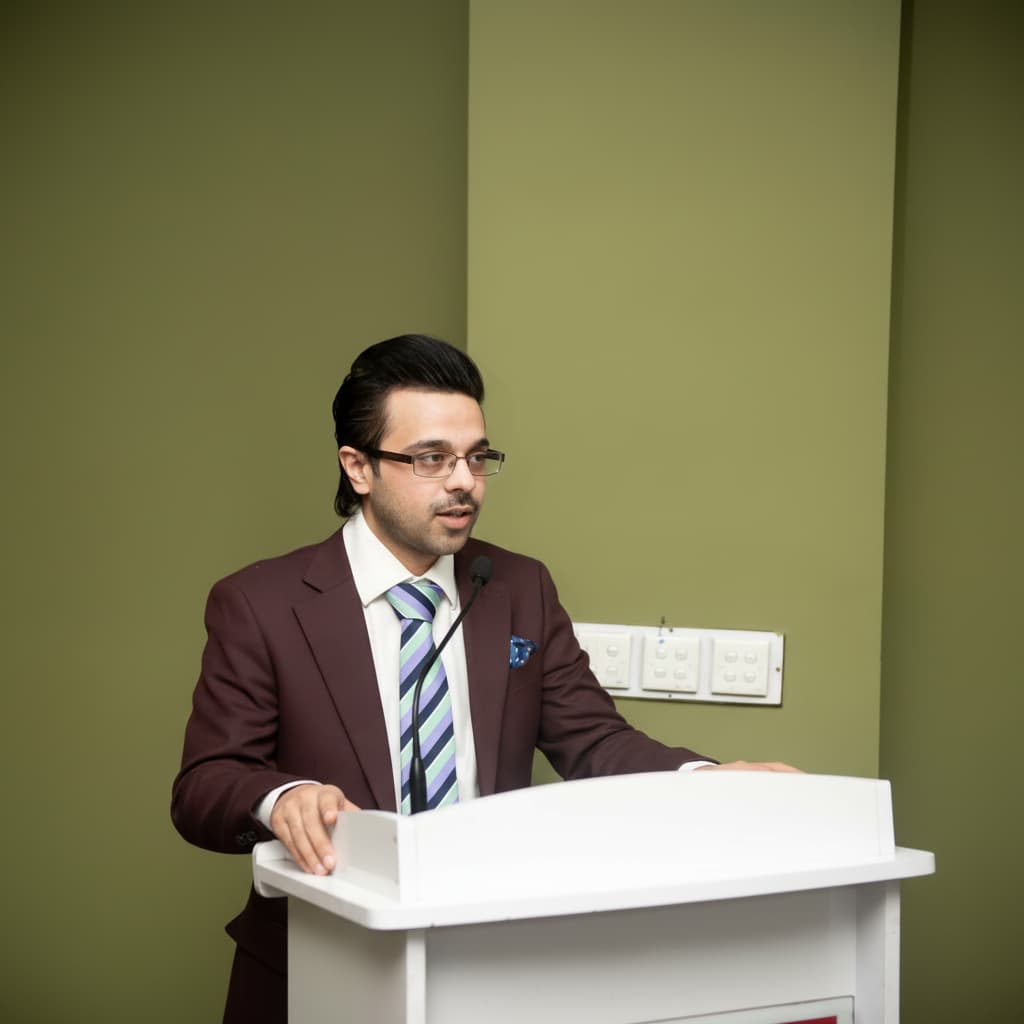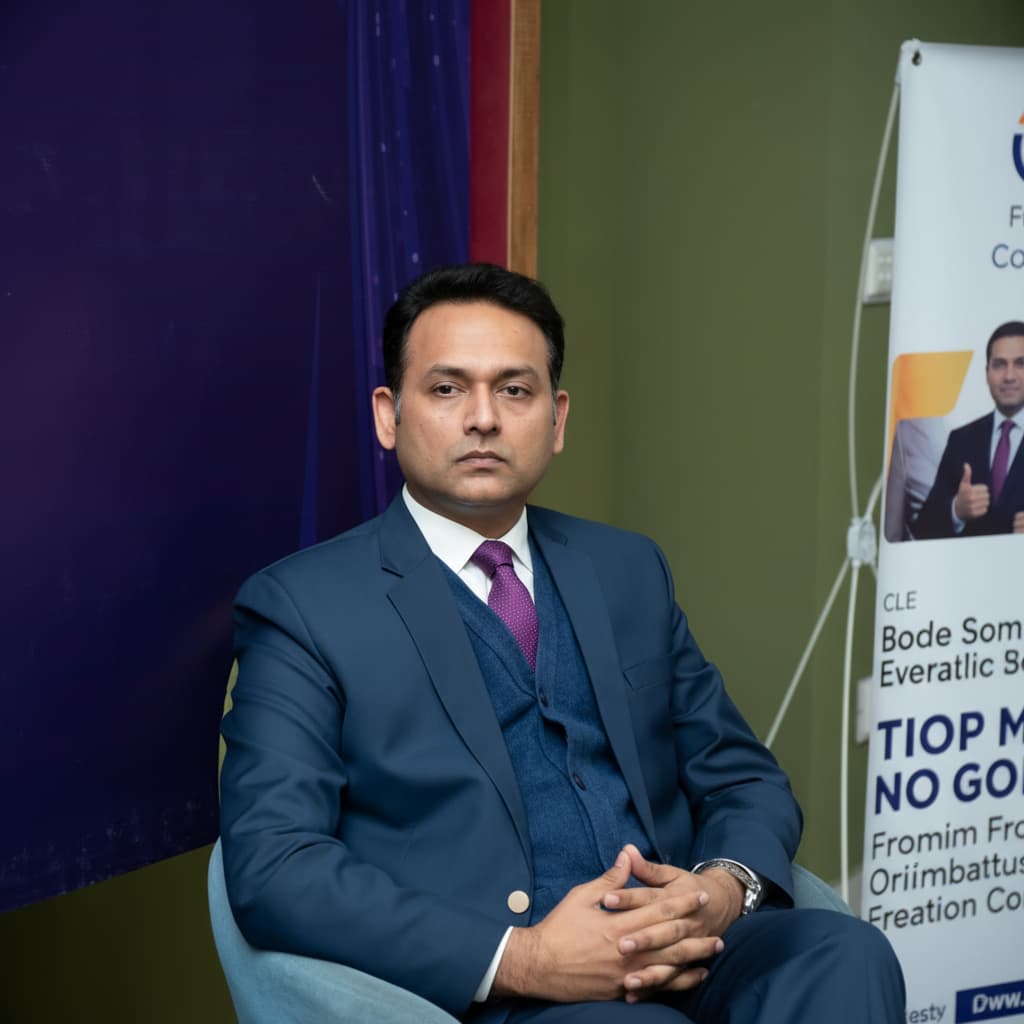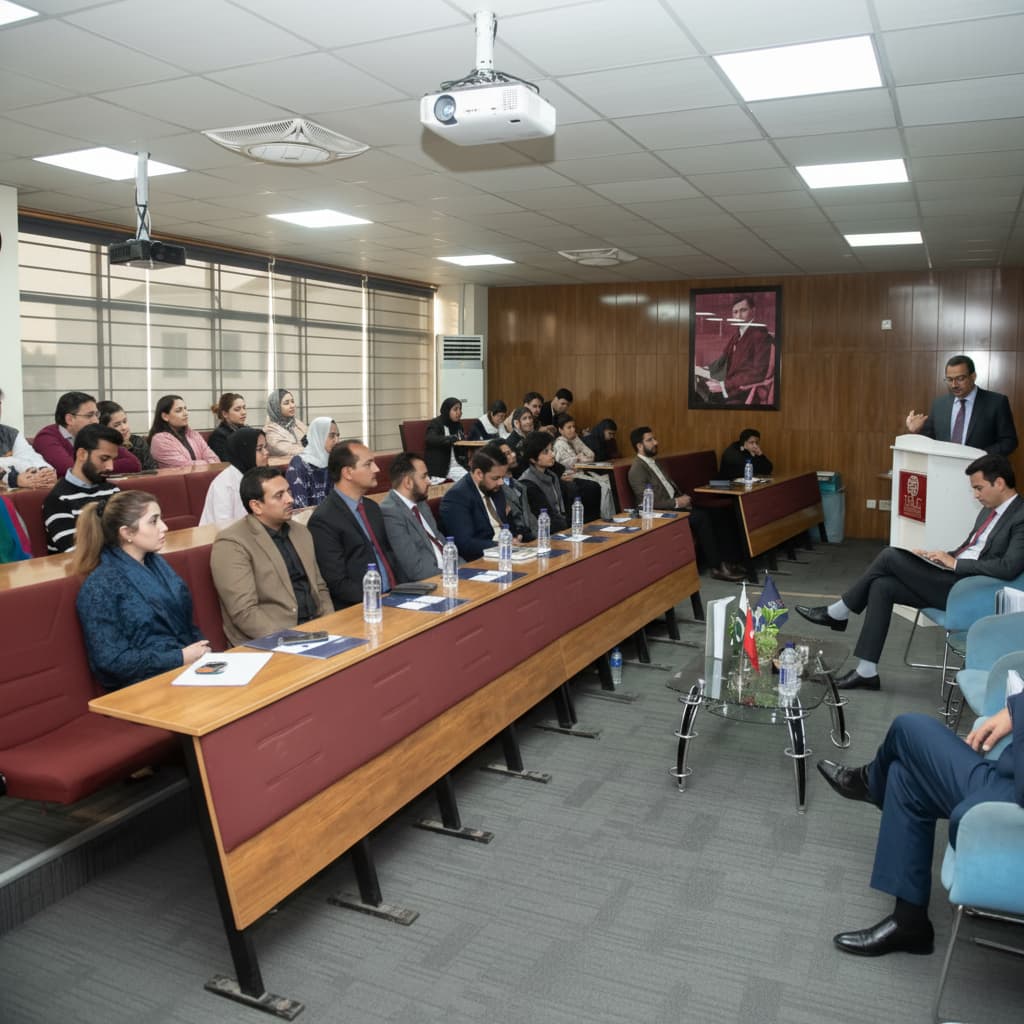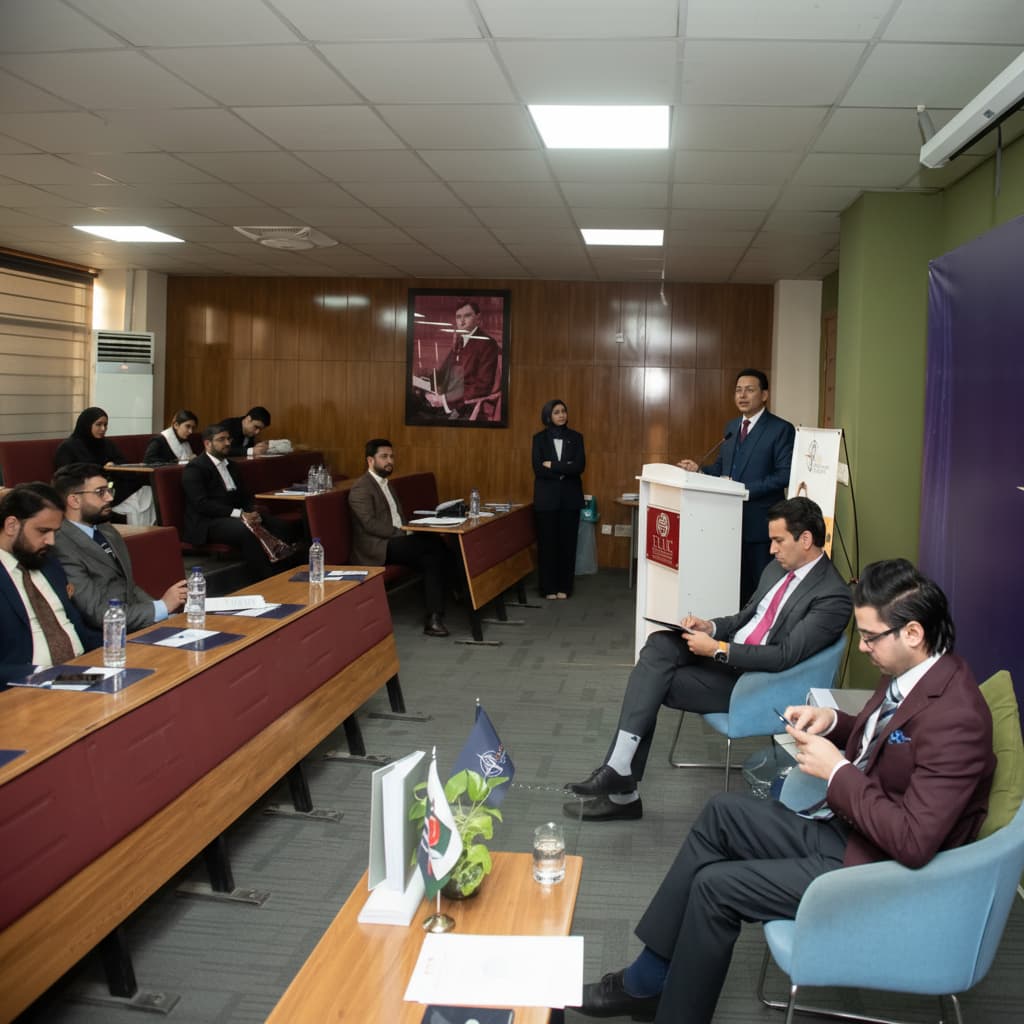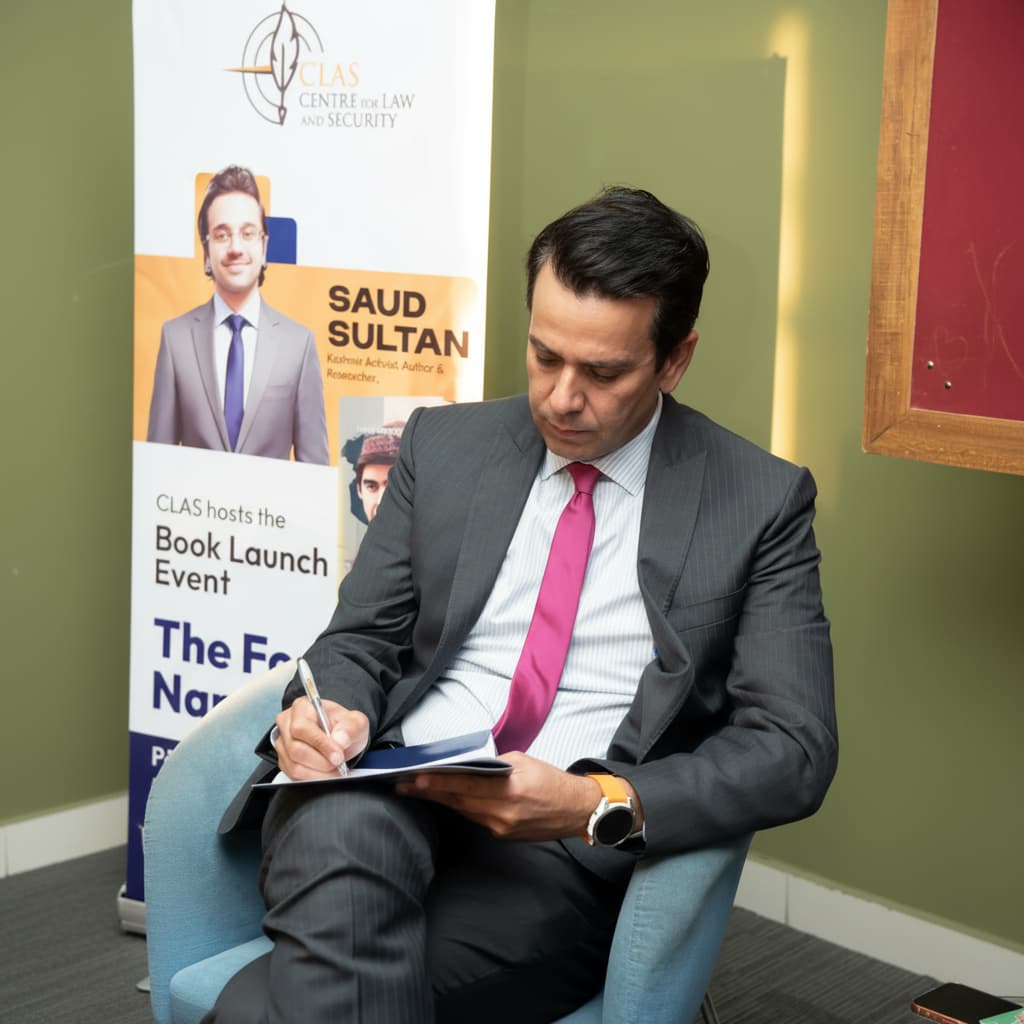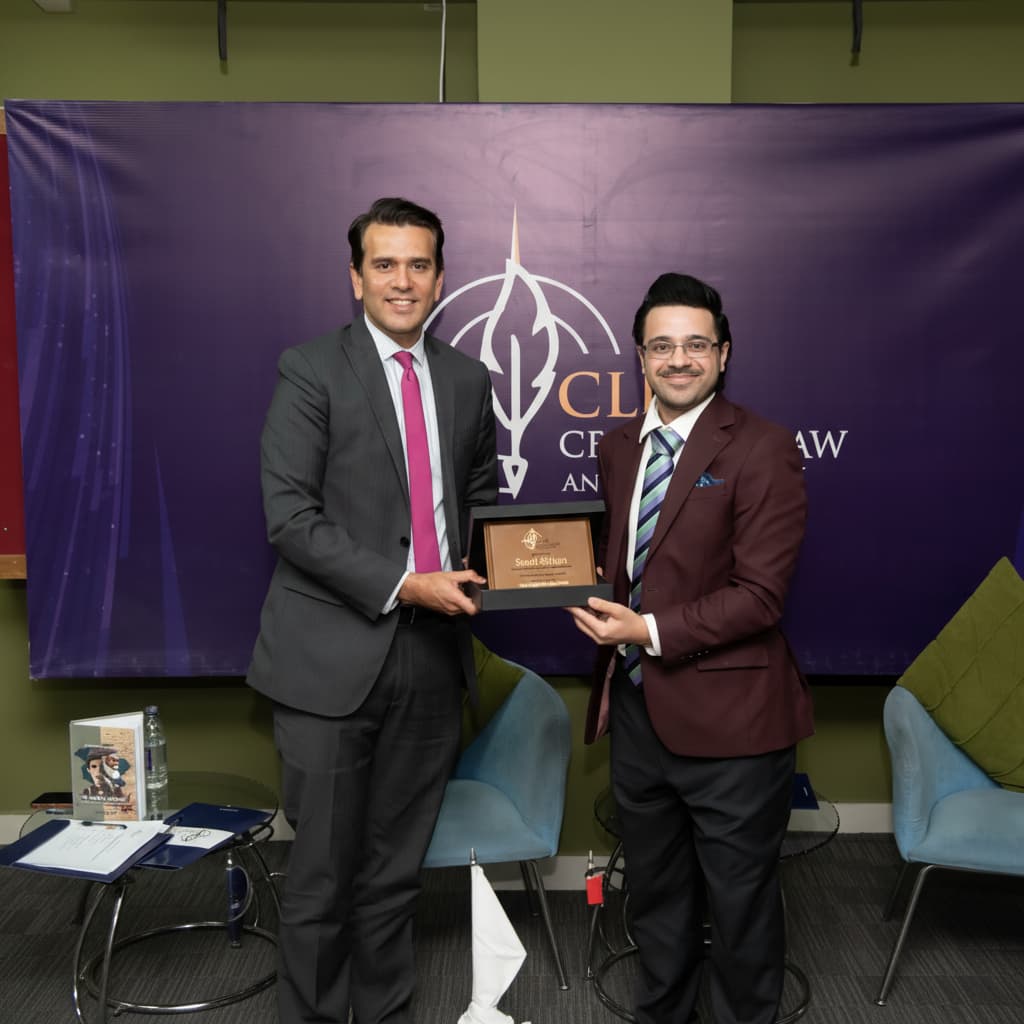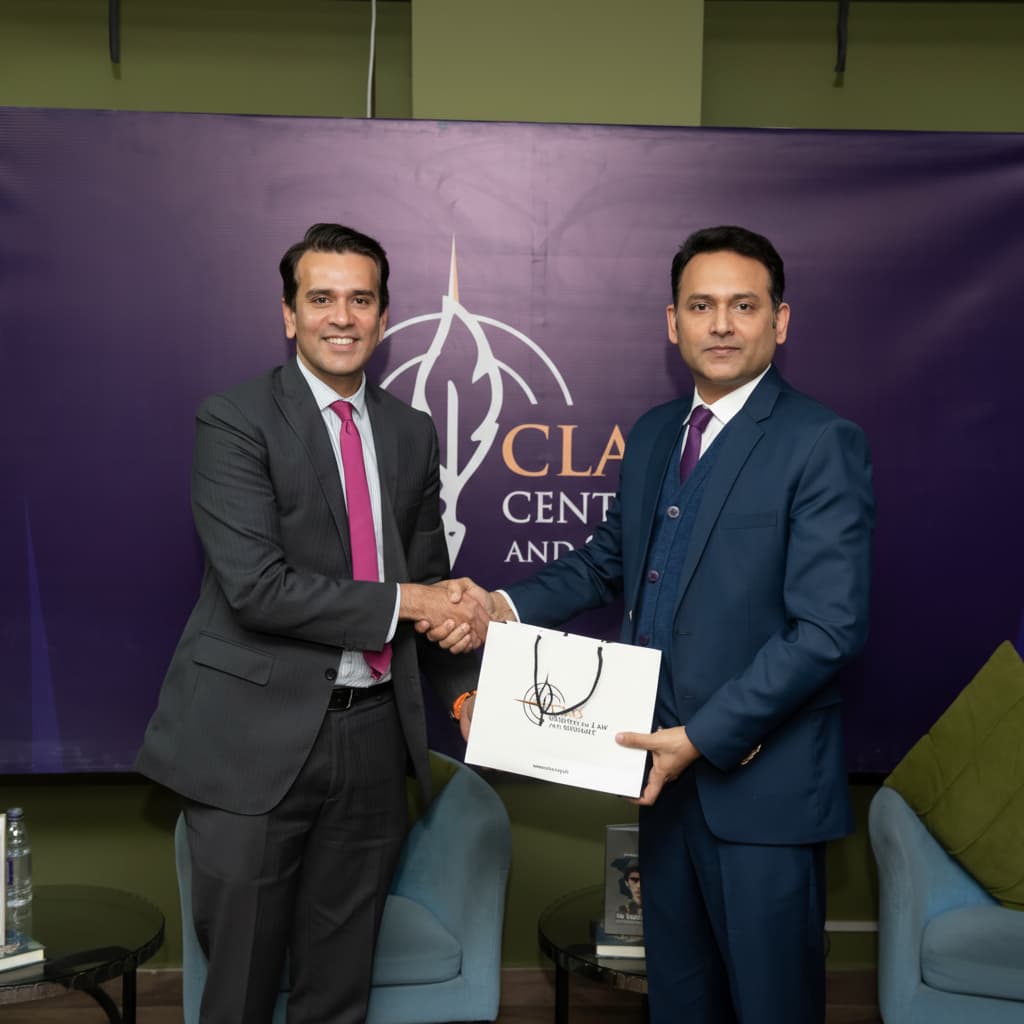
Islamabad, December 9, 2025: The Centre for Law and Security (CLAS) hosted the book launch of “The Forgotten Narrative: From Distorted Origins to Denied Freedom”, authored by Mr. Saud Sultan. The event featured academicians, researchers and students from various institutions.
Mr. Saud Sultan outlined the core themes of his book, emphasizing his central historical intervention: challenging the official narrative India presented to the UN in 1948. He argued that the claim that Pakistan sent tribesmen into Jammu & Kashmir on 22nd October 1947 that leading to the Maharaja’s supposed signing of the Instrument of Accession on 26 October and the landing of Indian troops on 27th October which is historically inaccurate. Citing archival evidence and the research of British historian Alastair Lamb, he asserted that the Instrument of Accession was not signed on 26th October, leaving India’s military action on 27th October without legal justification. He stressed that correcting this timeline is crucial to understanding the true origins of the Kashmir dispute.
Dr. Khurram Iqbal, President CAPES, delivered his remarks, acknowledging the significance of Sultan’s findings and the book’s contribution to historical scholarship and commended the efforts for presenting compelling, evidence-based research that effectively counters long-standing Indian claims and constructed narratives. He further stated that the book establishes with clarity that it was India that initiated the military intervention in Kashmir, despite consistently placing blame on Pakistan. It also underscores the indigenous nature of the Kashmiri uprising, which led to the liberation of the areas that today form Azad Jammu & Kashmir. The study also highlights the indigenous nature of the Kashmiri uprising, which led to the liberation of the areas that today constitute Azad Jammu & Kashmir. Dr. Iqbal added that such works are essential for ensuring that the youth of Kashmir understand their true history, empowering them with knowledge grounded in factual and archival evidence.
Mr. Rehman Azhar, Executive Director CLAS, praised Saud Sultan’s meticulous research and reaffirmed the importance of reclaiming suppressed historical truths. He noted that the book not only challenges entrenched misconceptions but also equips policymakers, scholars, and especially the youth with a clearer and more authentic understanding of the Kashmir conflict. He emphasized that such scholarly contributions are essential for strengthening Pakistan’s intellectual narrative and ensuring that future generations are grounded in fact-based history.