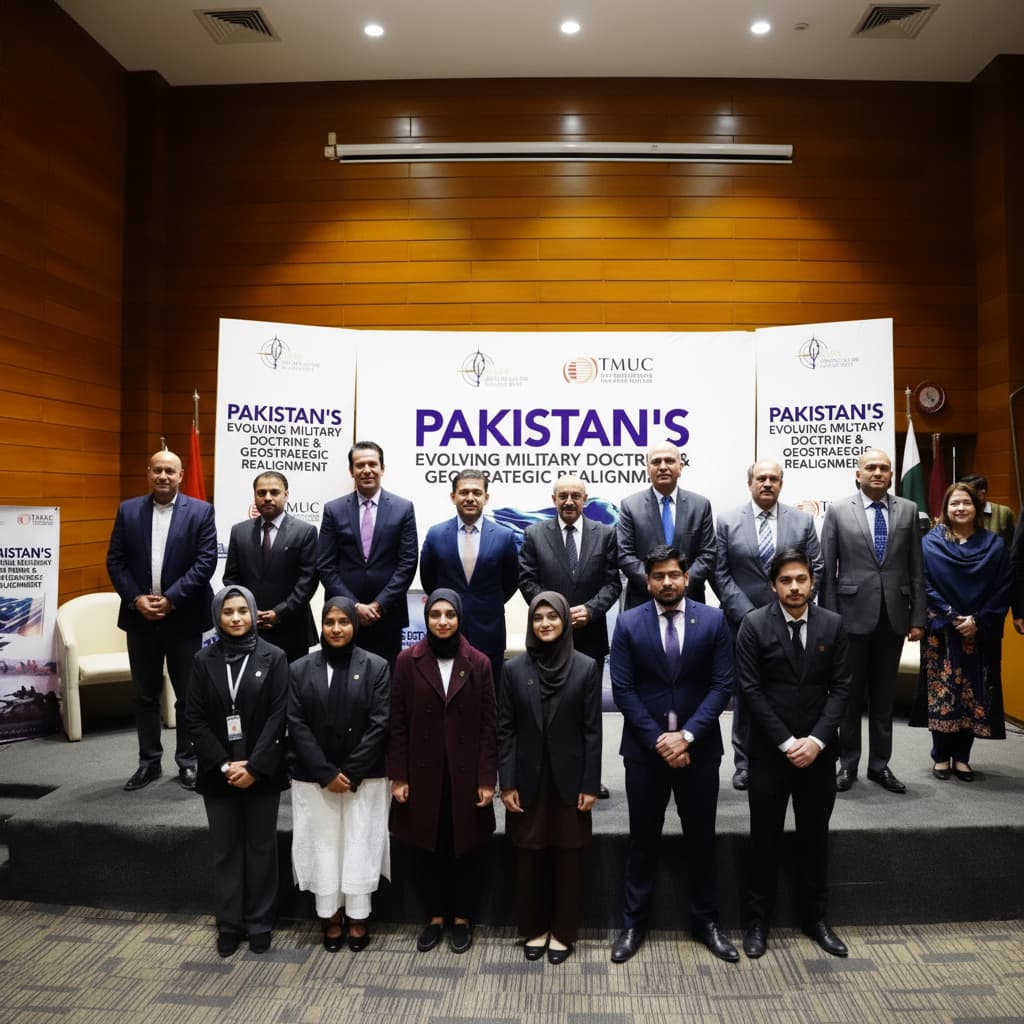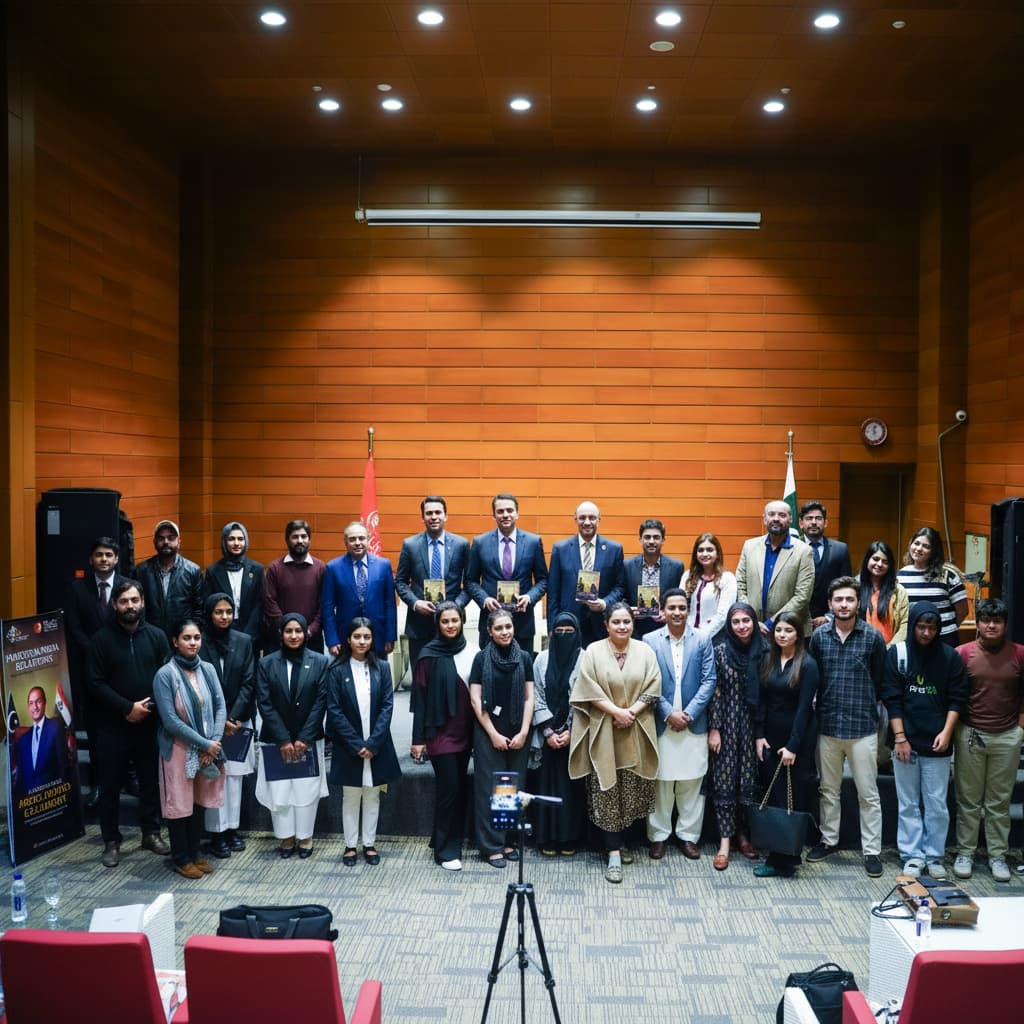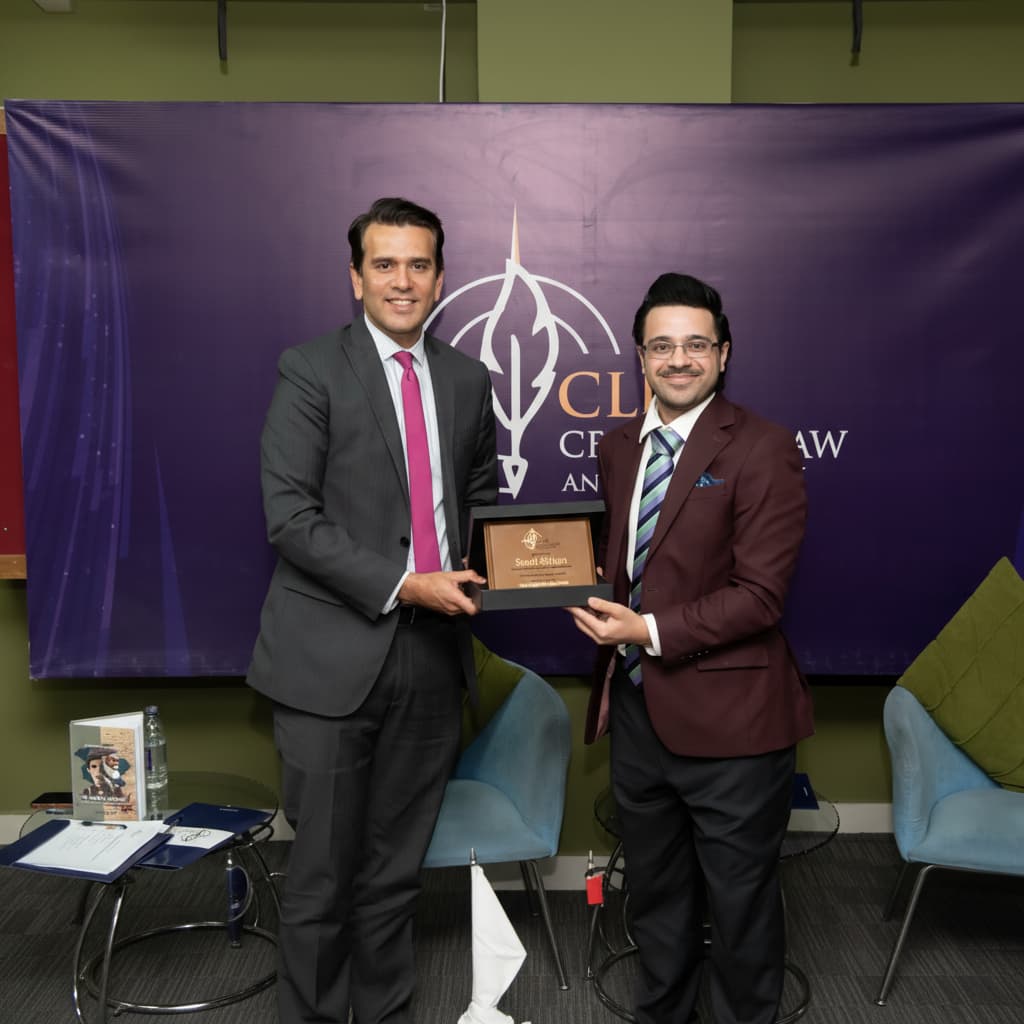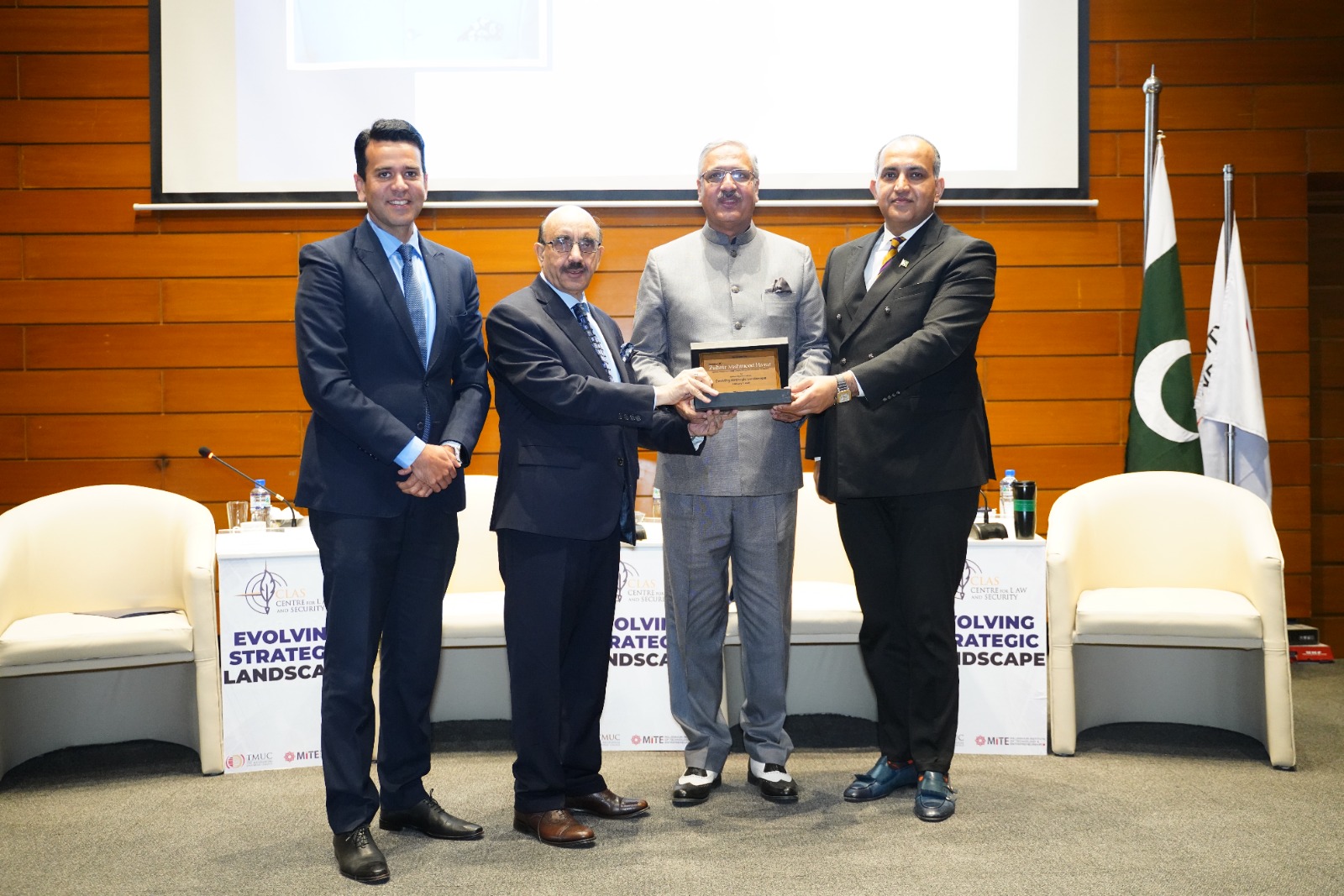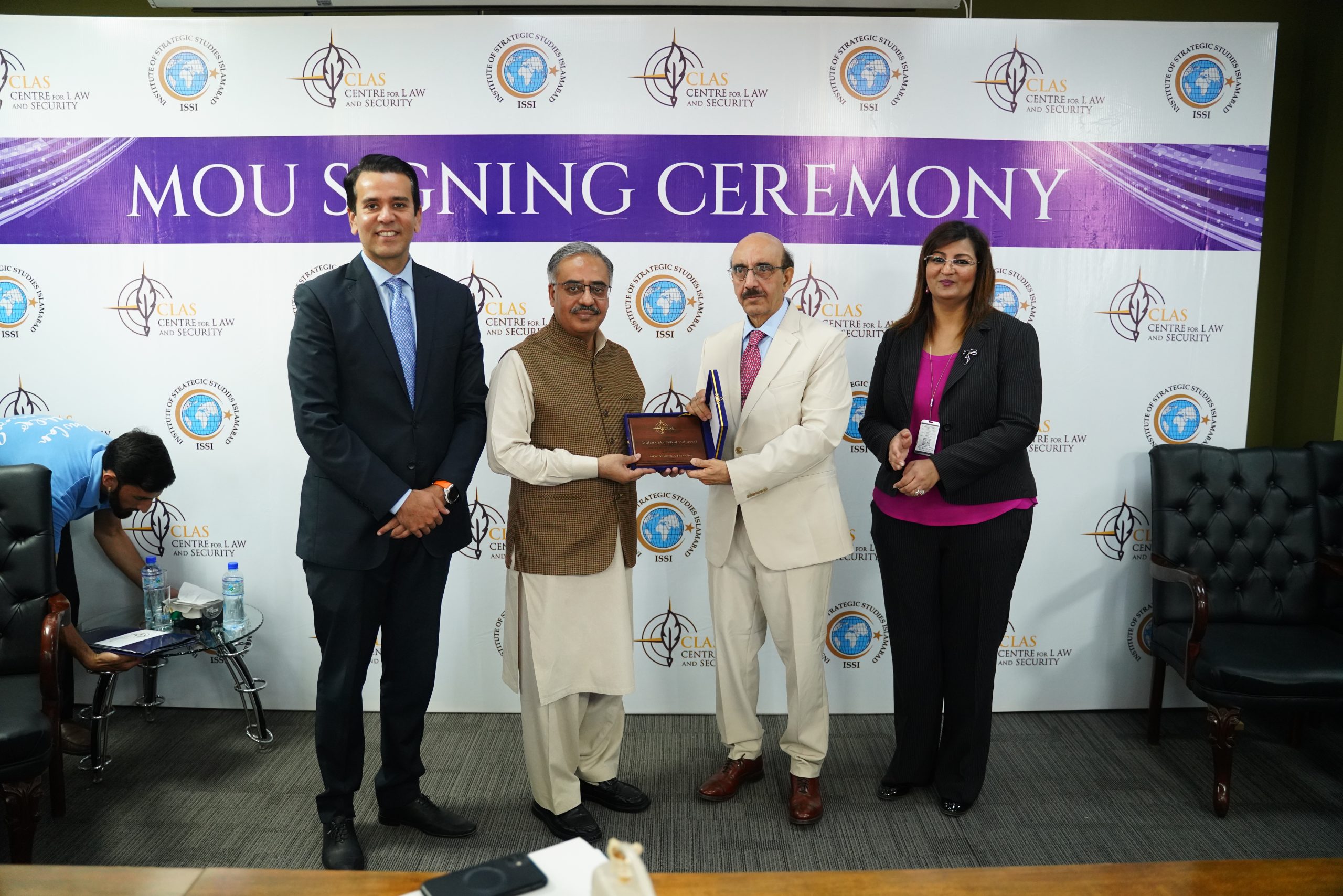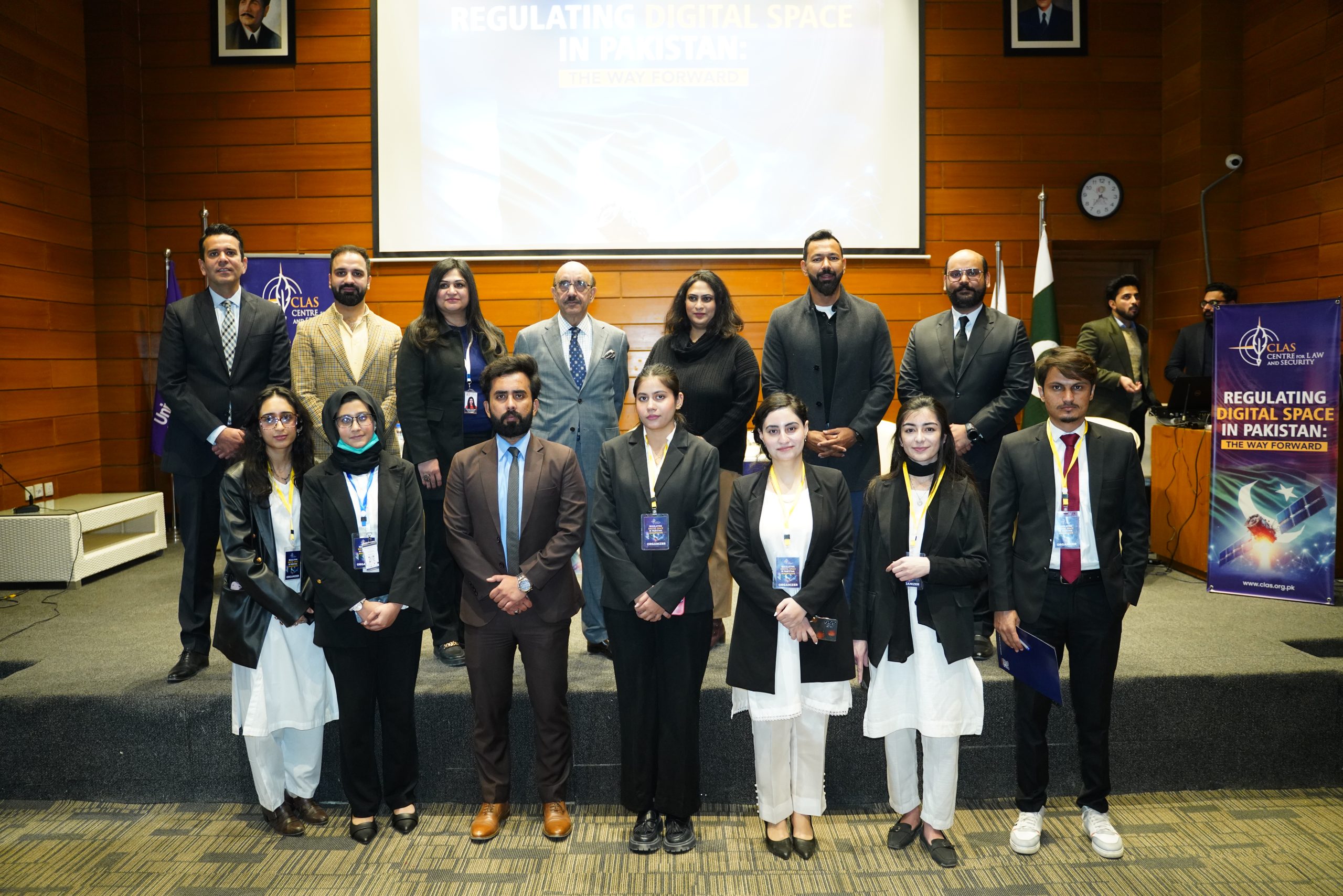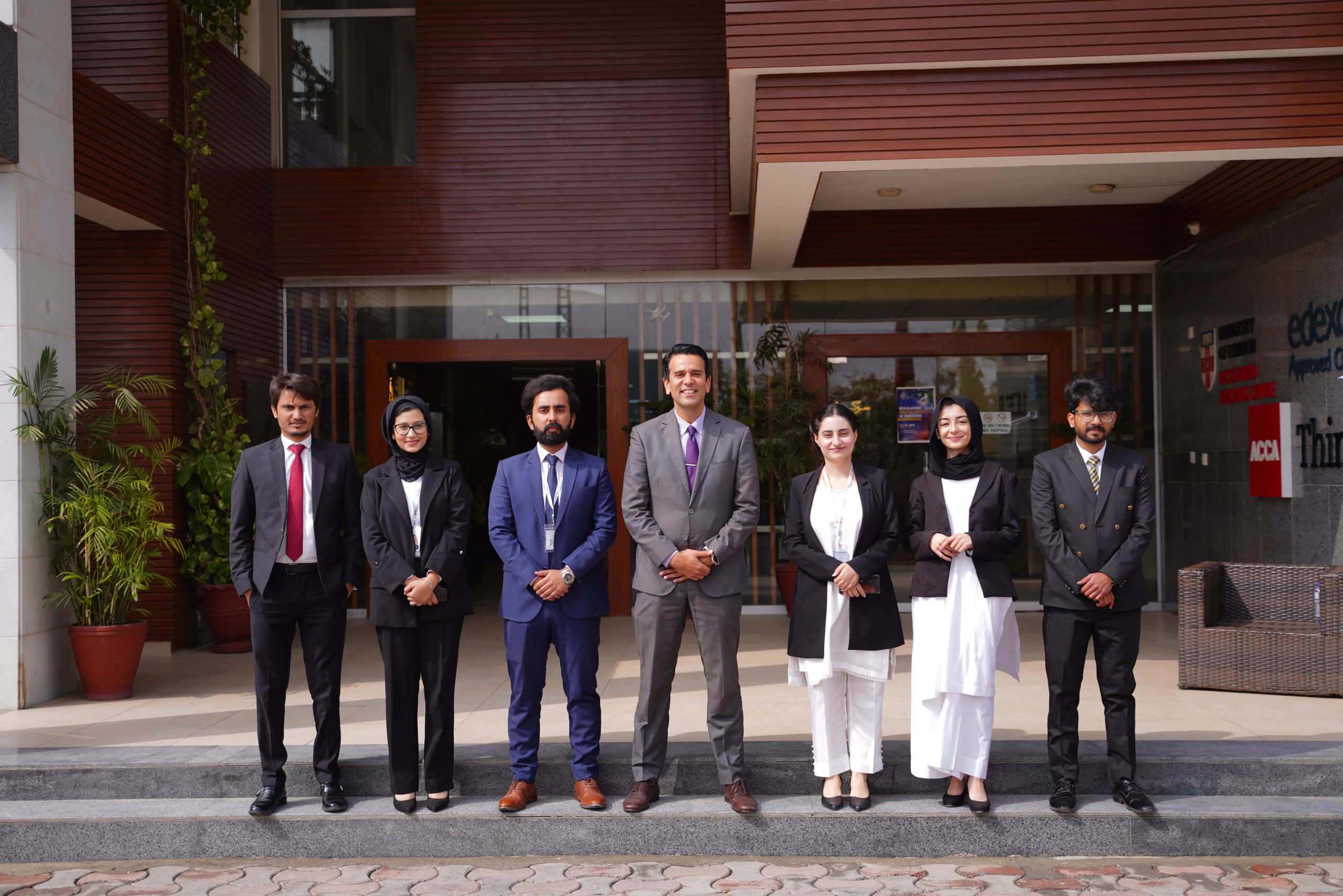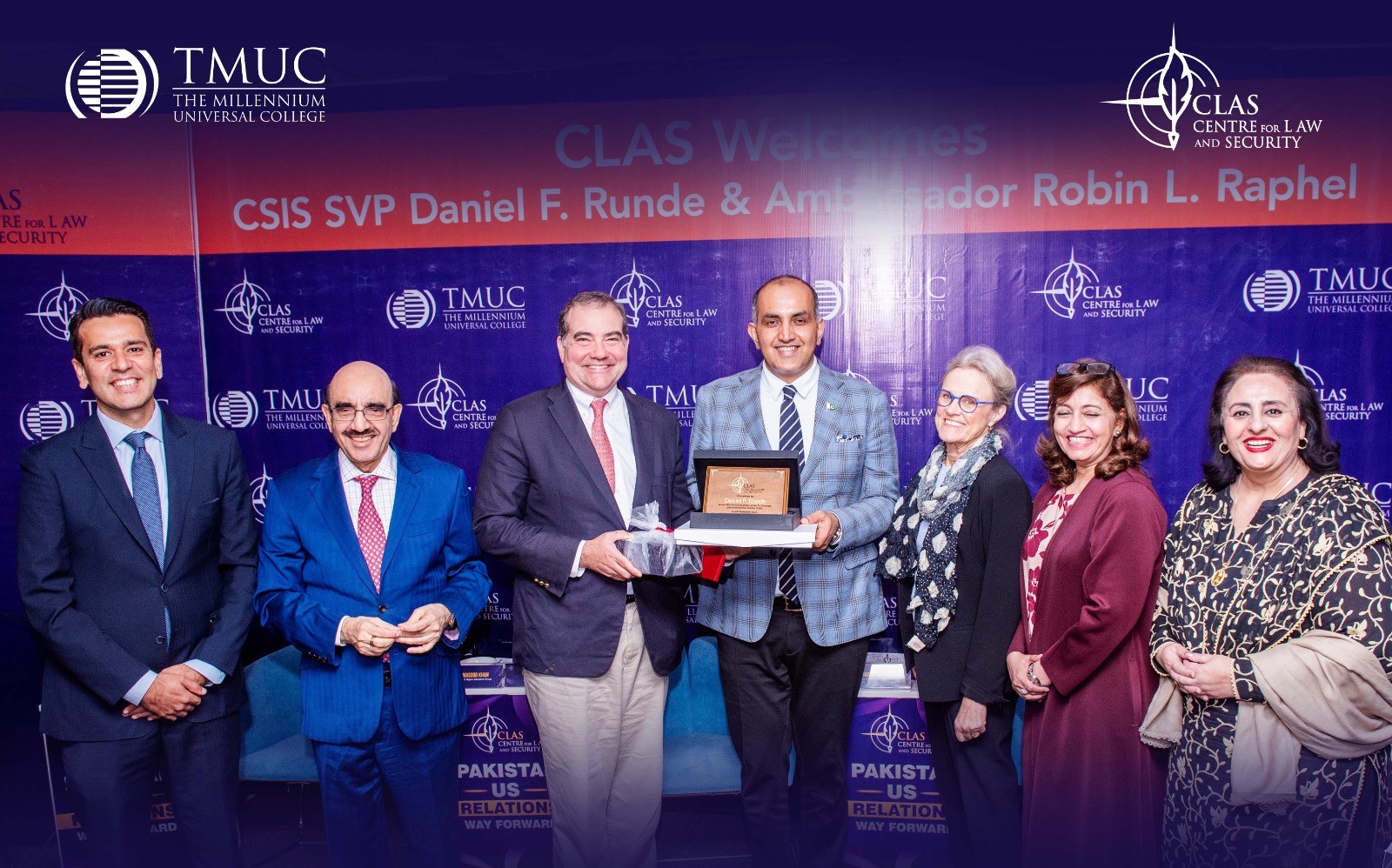
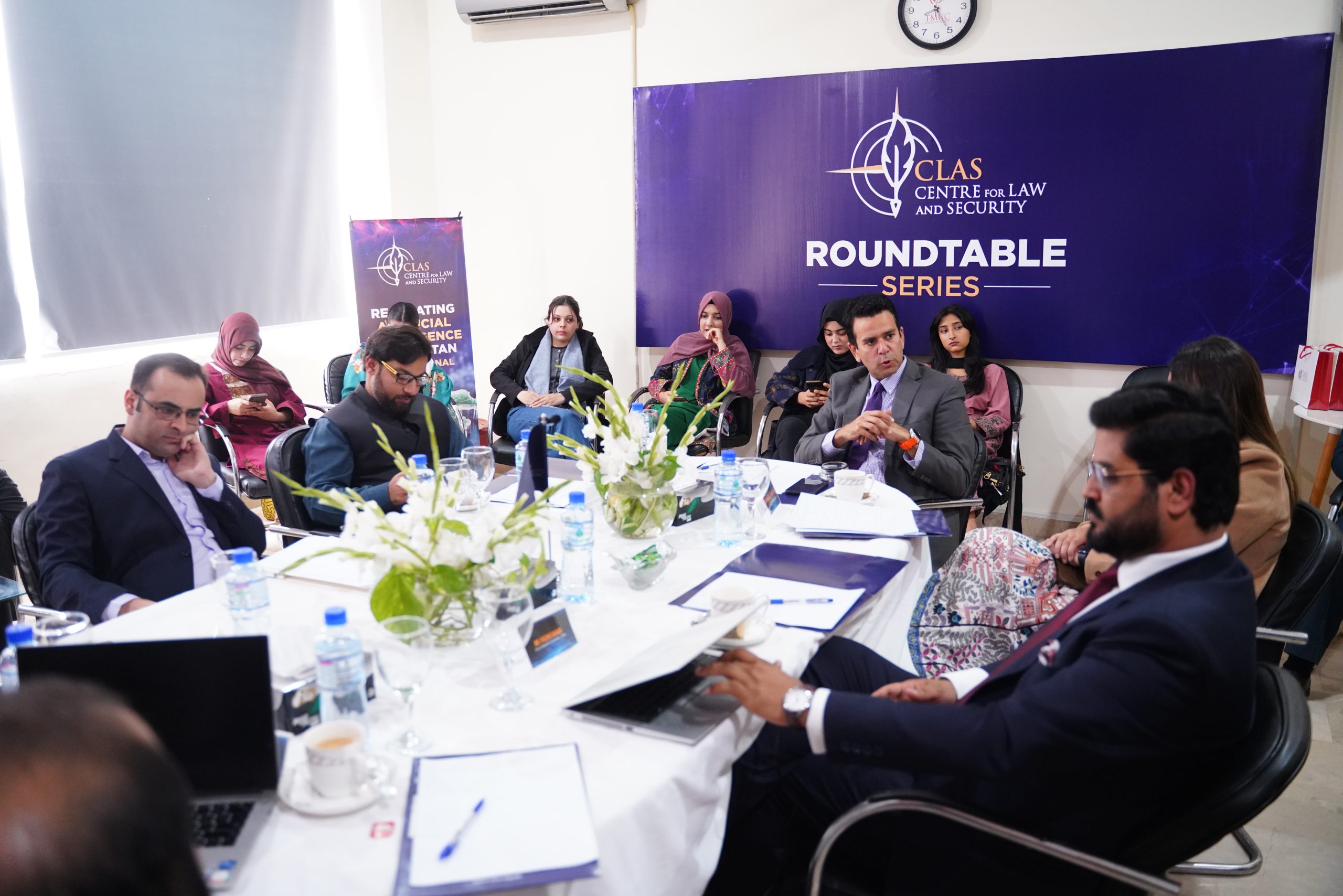
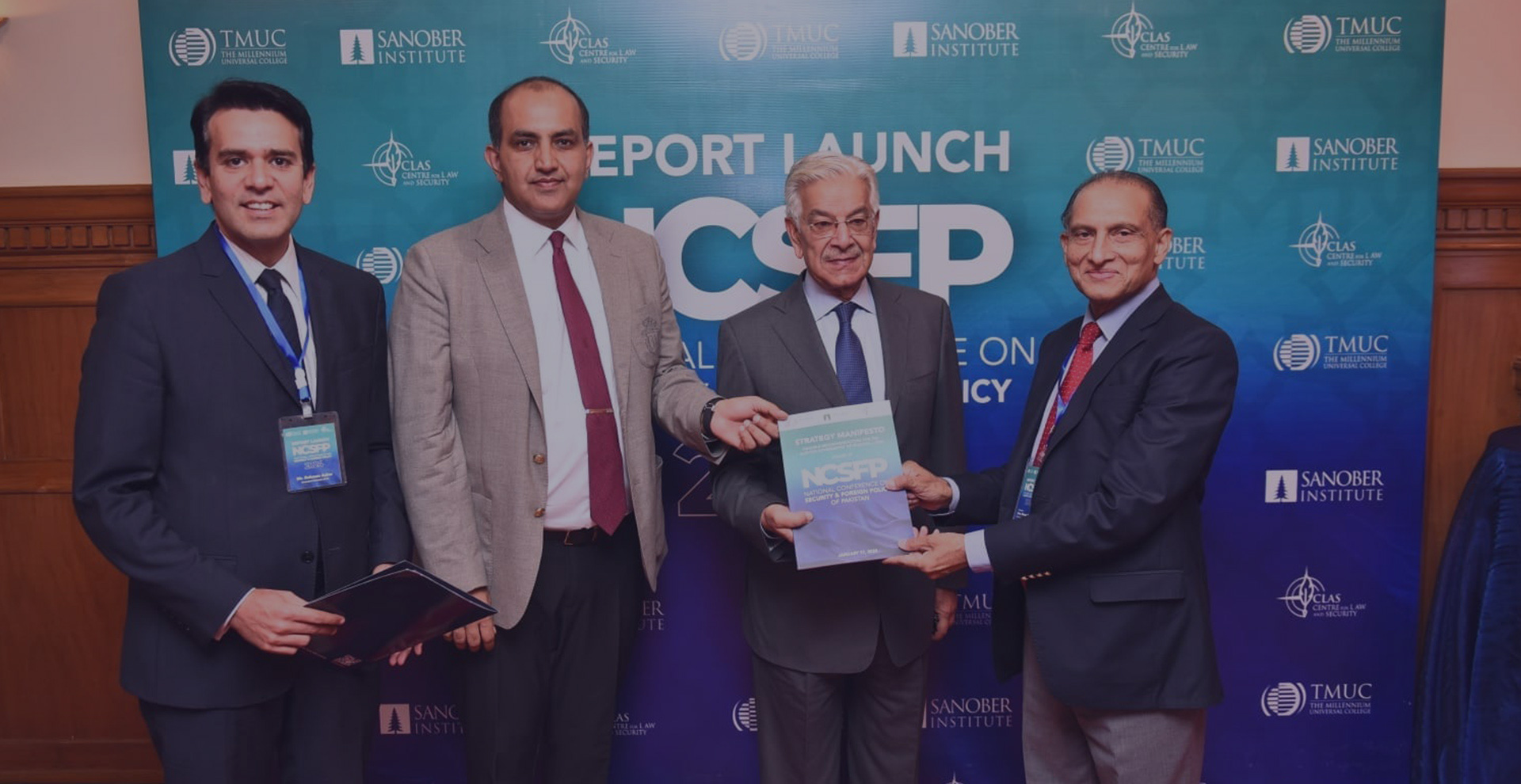
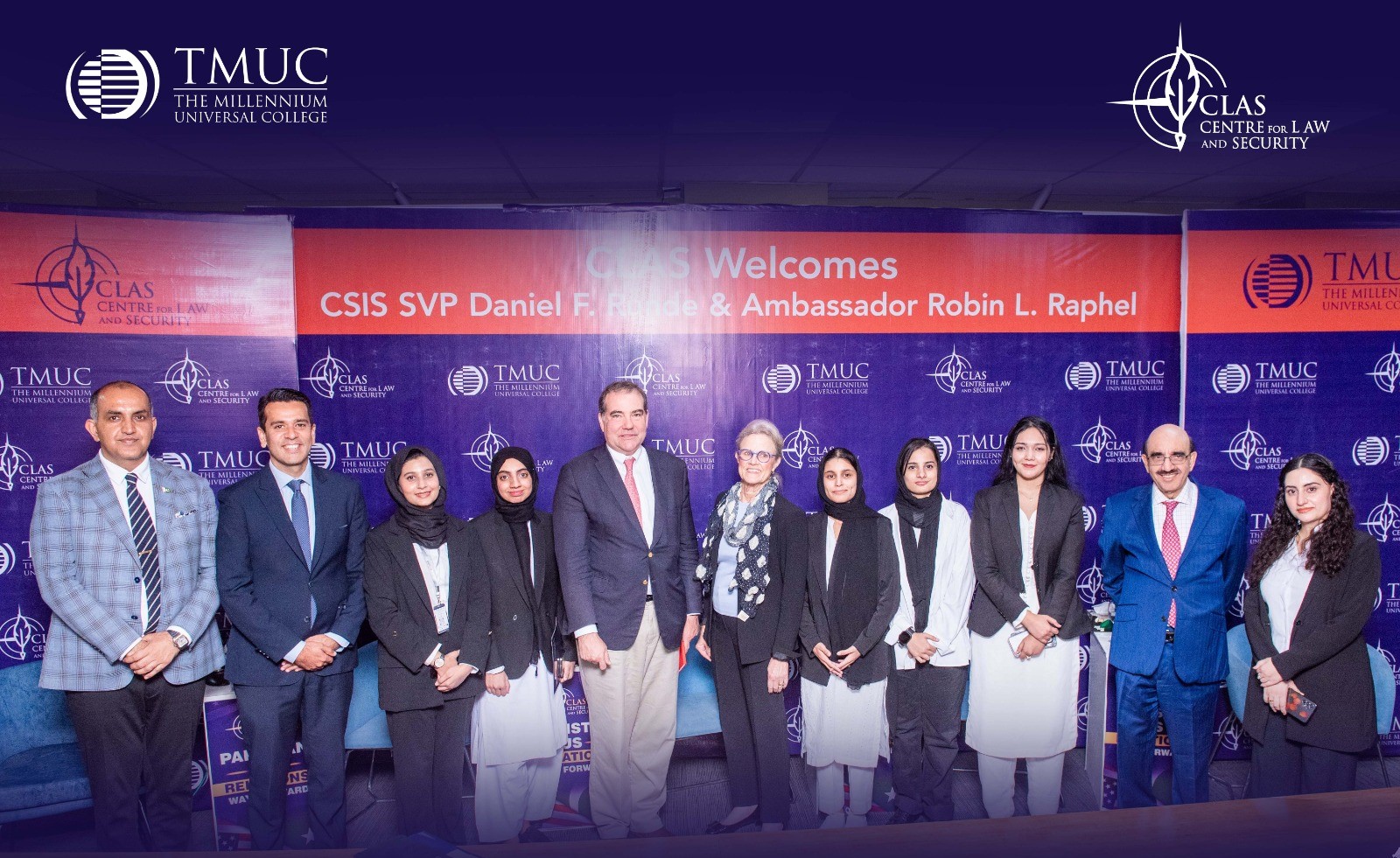
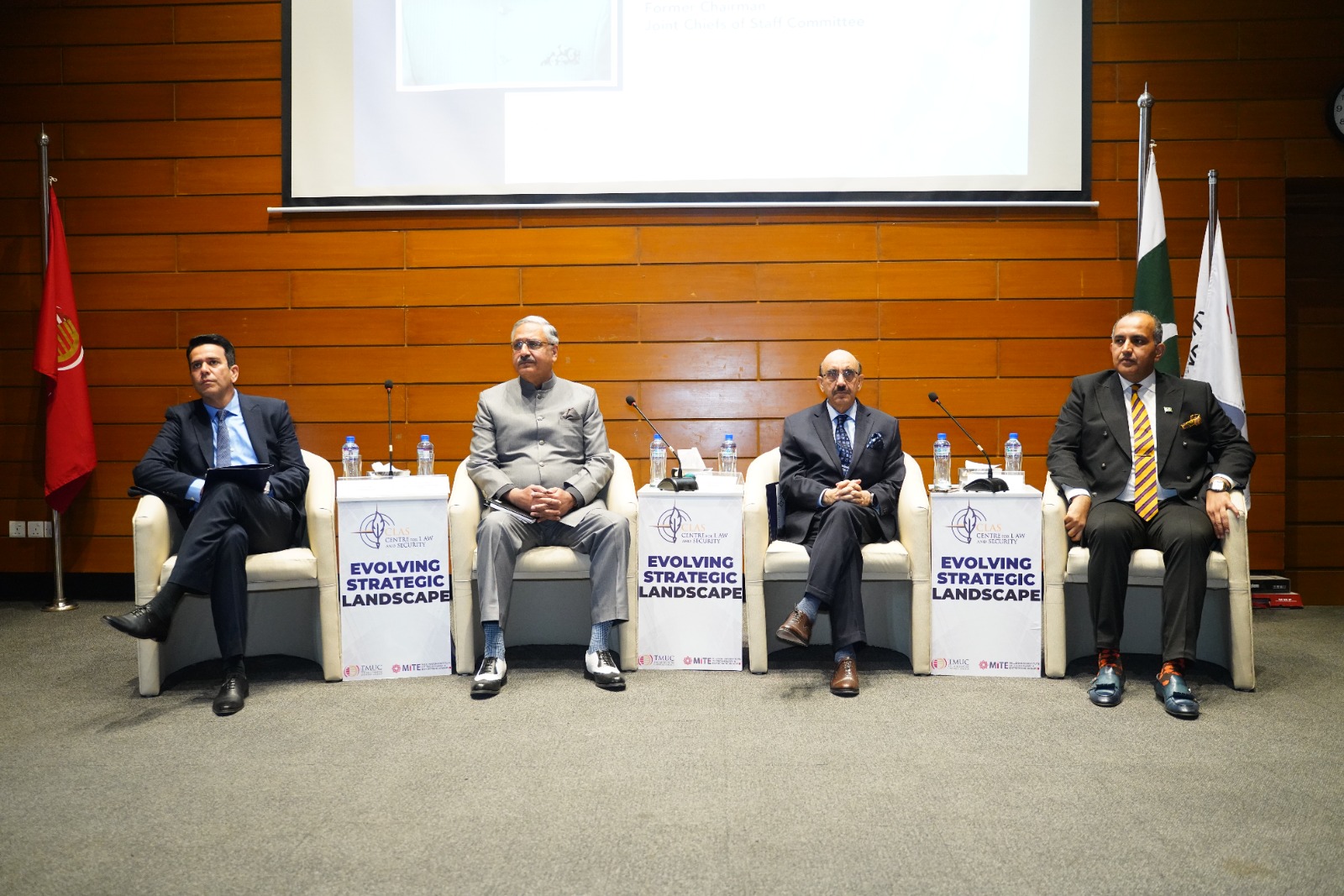
Daniel F. Runde, Senior Vice President at the Center for Strategic and International Studies (CSIS), and Ambassador Robin Raphel, former Senior Assistant Secretary of State, addressed the Centre for Law and Security on Pak-U.S. relations Daniel F. Runde, Senior Vice President at the Center for Strategic and International Studies (CSIS), and Ambassador Robin Raphel, former Senior Assistant Secretary of State, addressed the Centre for Law and Security on Pak-U.S. relations Guest Lecture SessionGuest Lecture Session by General Zubair Mahmood Hayat, NI (M), Retired, former Chairman Joint Chiefs of Staff Committee Roundtable Conferenceon Regulating AI in Pakistan and National Security, hosted by the Centre for Law and Security at TMUC Islamabad Campus, on 28th February 2025. Report LaunchNational Conference on Security and Foreign Policy (NCSFP).
It seems nearly impossible for a multilateral board to secure peace in Gaza. Peace cannot be engineered solely through international consensus or technocratic governance. It requires political legitimacy, local ownership and a willingness to engage in uncomfortable realities. The international actors’ efforts should be directed toward facilitating inclusive Palestinian dialogue, supporting intra-Palestinian reconciliation, demanding Israel’s
U.S. Peace Board has gained attention as search for more effective ways to prevent conflict in an increasingly unstable international system. Rather than reacting to crises after they escalate into armed conflict, a Peace Board would institutionalize prevention, mediation, and long-term peacebuilding within U.S. foreign policy. While such a body would be domestic in structure,
The military tribunals in Pakistan have long been trying civilians accused of terrorism, and the sentences have varied from grant of clemency via mercy petitions to rigorous imprisonments and in some cases, death penalties. Military dictator Ayub Khan formalised the system of military trial of civilians in 1967 by inaugurating s.2(1)(d) and s.59(4) into Pakistan
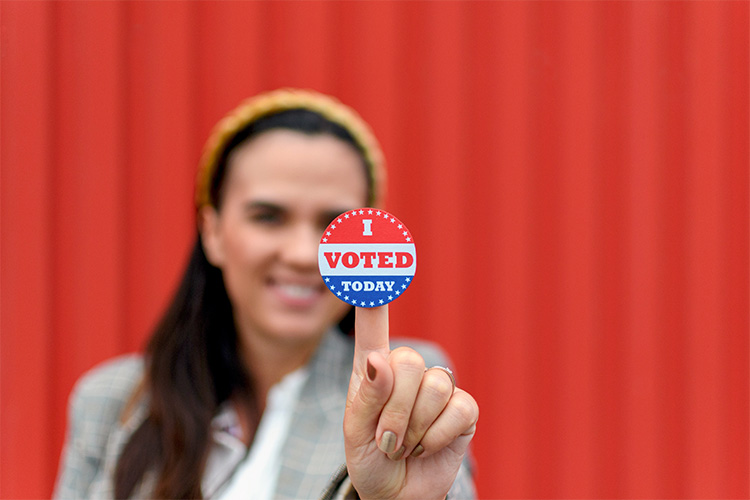
The United States presidential process is a complex one that encompasses a series of stages. These stages include Primaries, Party Conventions, the Election day itself, the Electoral College and the Role of Swing States. Pre-Election Phase Before the formal electoral process takes place candidates have to prepare for their presidential campaigns. This preparation often includes
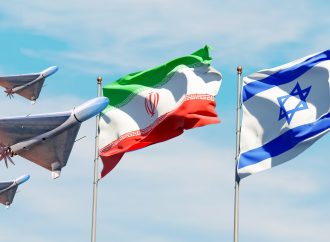
The Persian Gulf is burning not just from bombs, but from injustice. Once again, the region and the outer world watches as Israel, emboldened by unchecked power and unconditional Western support, unleashes its aggression, but this time by striking deep into Iranian territory. As always, with the backing of the U.S. diplomatically and militarily, the
The 1973 Constitution of Pakistan lays out principles of the theory of "Separation of Powers" with a credible system of checks and balances within the governance structure of the country. The theory was proposed by a political philosopher, Montesquieu in the 18th century. The principles of this theory are integral to democratic values promoting accountability,