Author Recent Posts Mahnoor Sohail Latest posts by Mahnoor Sohail (see all) Indian Media as a Hindrance in Pakistan–India Relations – June 24, 2026 How Climate Change Is Threatening Pakistan’s Economy – June 18, 2026 HOW INTERNATIONAL MEDIA IS VIEWING ALL PRAISE FOR ISLAMABAD – June 3, 2026
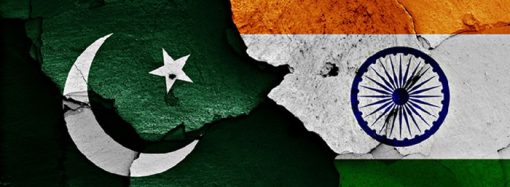
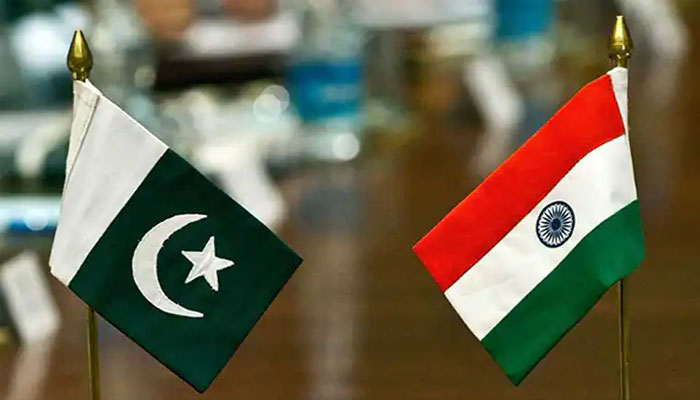
Indian media acts as a spoiler in Pakistan India relations. Pakistan and India have same history, culture, languages and economic potential but both countries still have a lot of tensions, broader disputes and military confrontations. The governments, security establishments and historical grievances of Pakistan and India are often blamed for the relationship. However one important factor that often gets overlooked is the role of the media. The Indian media raises concerns about responsible journalism, the right to information and the medias duty to maintain peace and public order. The Indian media has acted as a big obstacle in improving Pakistan and India relations rather than being a bridge between the two neighbouring countries. By exaggerating the situation during the period of tensions between two countries, the possibility of constructive dialogue has become very difficult.
The media is supposed to be an organ of democracy. Its main job is to give citizens objective and fair information. In societies the press has a job to hold governments accountable while making sure that public opinion is based on facts. When it comes to Pakistan and India relations the media has often prioritized exaggeration over accuracy and nationalism over objectivity. This has created an environment where anger towards Pakistan is normalized and even encouraged. One of the problematic things about the Indian medias coverage is that it often portrays Pakistan as a security threat and a terrorist state. While security concerns are issues that deserve attention constantly framing Pakistan as an enemy state creates a distorted view among Indian audiences. News channels often spend a lot of time on debates with aggressive language instead of balanced analysis. This reinforces stereotypes that do not leave room for understanding the cultural and political complexities of Pakistan.
This raises doubts about the ethical obligations of media organizations. The freedom of expression is a democratic value but it is not an unrestricted right. International human rights principles recognize that freedom of speech comes with duties and responsibilities. When media outlets spread fear, hostility or misinformation on purpose they risk weakening harmony and regional peace. The law says that the exercise of rights must be balanced against the public interest. Therefore media institutions have a responsibility to ensure that their reporting does not contribute to conflict. Another concern is the phenomenon of “trial by media” in matters related to Pakistan. After incidents like attacks or border clashes some Indian news channels are quick to assign blame before investigations are completed. Speculation is often presented as fact and complex geopolitical issues are reduced to narratives. Such reporting can shape opinion long before official findings are released. This goes against the legal principle that conclusions should be based on evidence rather than assumptions.
The medias behaviour often energizes public anger. Governments in systems are influenced by public opinion. When media outlets consistently promote narratives political leaders may find it difficult to pursue dialogue or confidence-building measures without facing criticism from their domestic audience. Consequently the Indian media becomes a force that indirectly discourages engagement between Pakistan and India. The impact of this media behaviour extends beyond politics. It affects citizens who have little involvement in diplomatic disputes. Cultural exchanges, collaborations, sporting events and people-to-people contacts often become casualties of media-driven nationalism. Whenever tensions rise media campaigns frequently target artists, athletes and public figures associated with Pakistan. Such actions contribute to an atmosphere of intolerance. This weakens opportunities for mutual understanding. From a legal perspective collective blame is both unfair and contrary to the principles of justice.
The commercialization of news has intensified the problem. Television channels compete for ratings in a crowded market. Aggressive debates, headlines and emotionally charged content attract viewers and generate profits. Unfortunately sophisticated conversation about diplomacy and regional cooperation are often less profitable than programming. As a result some media organizations have incentives to exaggerate tensions rather than encourage constructive dialogue. The rise of media has amplified these challenges. Television broadcasts are rapidly shared across platforms reaching millions of users within minutes. Misleading information, edited clips and provocative commentary can spread faster than corrections. In cases traditional media outlets serve as the initial source of narratives that later dominate social media discussions. This creates a cycle in which misinformation and hostility are continuously reinforced. The legal implications are significant because false reporting can damage reputations, influence opinion and even affect national security decisions.
The Indian media has faced criticism on many occasions for promoting tensions between India and Pakistan at times of significant conflicts. When Parliament was attacked in 2001, a large section of the media started blaming Pakistan for the attack. Nearly all Indian news channels such as Doordarshan, NDTV and Times Now reported Pakistan as state backer of the attack. Observing the attack in 2008 in Mumbai, the extensive coverage provided by the media channels namely NDTV, Times Now and India today on a state-centric basis was perceived by critics as strengthening the suspension of the peace process. After Pathankot and Uri attacks of 2016 similar situation happened as the debates that took place on television channels restricted room for de-escalation. Moreover, after the Pulwama crisis in 2019, the Indian media faced criticism for promoting unverified claims and war-centric discourses. Most recent example can be the Pahalgam attack 2025. In this situation, Indian media was significant hindrance in de-escalation by promoting cross-border propaganda.
The Indian media industry is considered as one of the biggest in the world. It includes many television channels and news agencies covering a vast number of audiences daily. The media under PM Modi is nicknamed “Modi Media” or “Godi Media”. This represents a part of the Indian media industry that is extremely supportive of the Modi Government and its policies. Opponents and critics of Modi claim that certain channels have been focusing their news coverage on the issues of Indian nationalism. This usually happens at a time of confrontation with Pakistan. As a result, media coverage may influence public opinion and further worsen relations between the two countries instead of promoting dialogue and understanding between them.
Despite all this, several journalists, scholars and independent platforms have consistently advocated reporting and peaceful engagement with Pakistan. These voices demonstrate that responsible journalism remains possible in highly polarized environments. Still they often struggle to compete with networks that command greater audiences and resources. The dominance of sensationalist narratives means that moderate perspectives receive less attention. Critics may argue that the Pakistani media has also contributed to tensions between the two countries. This criticism is not without merit. Media organizations in both Pakistan and India have occasionally engaged in reporting and nationalist rhetoric. However acknowledging shortcomings on one side does not excuse behaviour on the other. Constructive criticism requires examining each actors role.
From the perspective of law, peace and cooperation among neighbouring states are important. While media organizations are not actors in diplomacy they possess enormous influence over the environment in which diplomacy occurs. Reporting something that focuses on conflict, distrust and hostility can make reconciliation more difficult. Journalism that highlights interests, humanitarian concerns and opportunities for cooperation can contribute positively to regional stability. Success in peace requires a renewed commitment to ethics. Media regulators, civil society organizations and educational institutions should encourage fact-based reporting and discourage sensationalism. Journalists covering Pakistan and India relations must prioritize accuracy, context and fairness. Media literacy programs can also help audiences critically evaluate the information they consume reducing the influence of narratives.
The Indian media has often functioned as a hindrance to improved Pakistan and India relations by promoting sensationalism, reinforcing stereotypes and limiting the space for diplomatic engagement. From a legal perspective this trend raises concerns about the balance between freedom of expression and social responsibility. While media organizations have the right to report on matters of importance they also have an obligation to do so in a manner that respects truth, fairness and the broader public interest. If lasting peace between Pakistan and India is ever to become a possibility the Indian media must choose to become a bridge between the two nations rather, than a barrier that keeps them apart. The Indian media has the power to shape opinion and influence diplomatic possibilities and it is time for the Indian media to take this responsibility seriously.

- Indian Media as a Hindrance in Pakistan–India Relations - June 24, 2026
- How Climate Change Is Threatening Pakistan’s Economy - June 18, 2026
- HOW INTERNATIONAL MEDIA IS VIEWING ALL PRAISE FOR ISLAMABAD - June 3, 2026