Author Recent Posts Abubakar Saeed Latest posts by Abubakar Saeed (see all) INDUS WATER TREATY AND ITS LEGACY – July 17, 2026 IRAN’S FROZEN ASSETS AND NUCLEAR ISSUE:REFRAMING OF US-IRAN REALTIONS – July 17, 2026 THE FUTURE OF PAKISTAN INDIA RELATIONSHIP – June 24, 2026
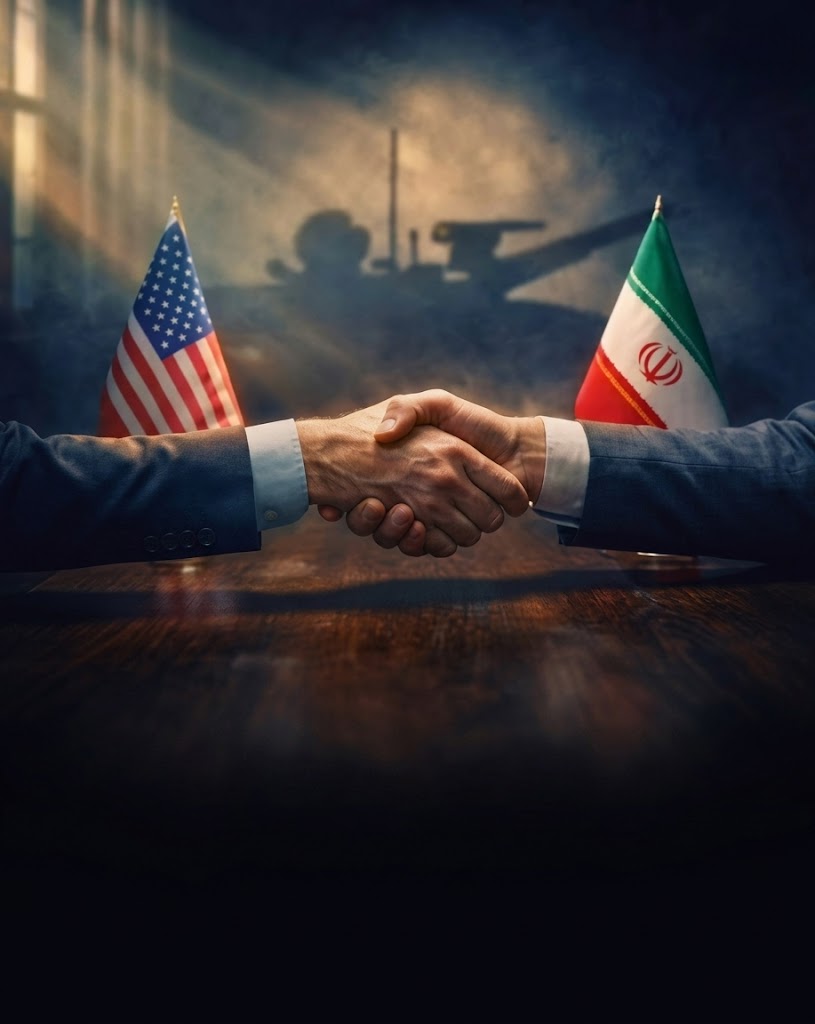
In today’s globalized world, bilateral issues are no longer limited to two states. Any escalation or conflict quickly becomes the issue of regional security and stability. The recent US-Iran conflict possesses the same essence. It is no longer a conflict between the US and Iran only, but the security and stability of the whole middle eastern region is under threat. After months of direct military confrontation and arial strikes on Iran by the US, causing significant economic losses for both, a deal has finally been signed as mediated by the Islamic Republic of Pakistan. The 14 point US-Iran peace plan covers multiple important domains such as immediate permanent termination of military operations on all fronts, enhancement of sovereignty and territorial integrity between US and Iran, Removal of naval blockade for the strait of Hormuz, economic aid to Iran for reconstruction and development coupled with termination of all sanctions, and permission to sell oil immediately. A multidimensional approach must be adopted to construct an image of the changes which this deal could bring to the Middle East. Changes in the Middle Eastern Security conditions can be studied under the shade of multiple domains such as conventional security, economy security, and energy security.
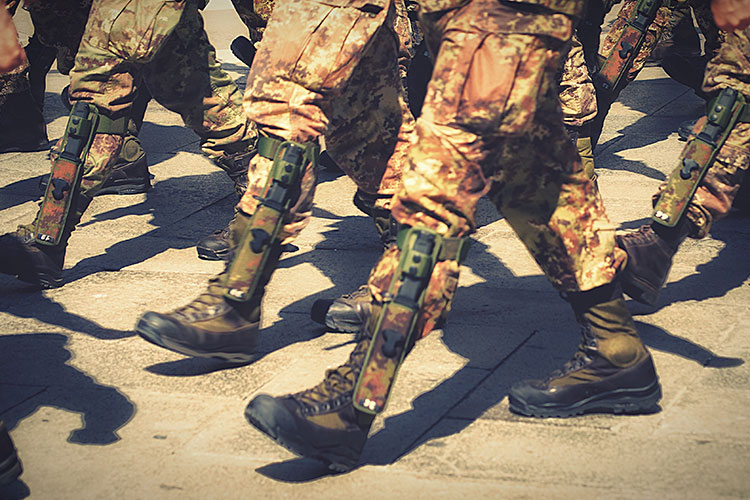
Conventional security remains important in the Middle East. As the US conducted strikes against Iran, the IRGC responded with attacking at least 20 to 28 key US military installations across the Middle East. This led to escalated clashes and unrest between Iran and her neighbors. The new 14-point deal also suggests that the sovereignty of Iran will not be harmed in any way, neither the US will interfere in Iran’s internal affairs, nor it will push the regime change in Iran. This shall result in resumption of stable bilateral relations between the US and Iran, bringing stability within the region. Furthermore, Iran over the years has been observed to be actively countering aggression against Lebanon. This deal also covers the termination of military operations on all fronts including Lebanon, which aligns with the demands of Iran in this case. This step will pull the middle east out of military actions, providing peaceful conditions to the region. Additionally, the deal includes removal of naval blockade of the strait by the US, restoring the number of vessels to prewar conditions. This shall bring safe passage to vessels, promoting Iranian trust towards the US and her allies within the region, resulting in lesser security dilemma in the region. Iran’s willingness on not to produce nuclear weapons will also reduce the tensions within the region.
In today’s globalized world, geo-economics has taken the place of geo-politics as the primary driver of international relations. The US-Iran peace plan significantly covers economic concerns and matters. The peace plan, with the help of regional partners, aims to bring at least $300 USD to Iran for its economic development and reconstruction. The mechanism of implementation of this plan is yet to be finalized. If implemented, this step will help Iran reconstruct its energy sector and important infrastructure that had been damaged during the conflict. Iran’s frozen assets which are estimated to be of $126 billion, are also set to be unfrozen by the US. Furthermore, all sanctions on Iran are to be lifted, which shall boost Iran’s exports and trade. Additionally, while the final agreement is still being negotiated, US will allow Iran to sell and export its oil. This decision shall bring immediate relief to Iran’s disturbed economy. Above discussed factors will eventually lead to regional stability in larger perspective. There will be lower regional tensions and confrontations related to trade and investments, thus reducing the regional economic security dilemma.
Middle East serves as the hub for global energy market. 25 to 30 percent of the worlds total oil supply comes only from the middle east alone. Energy security is a pivotal factor for the development and stability of the region. The US-Iran peace plan will result in increased oil production and exports by Iran. minimized disruptions in the strait of Hormuz will lead to a stable flow of vessels carrying oil and LNG. Around 17 million barrels of crude oil and petroleum passes through the strait per day. Reduced disruptions and confrontations will improve the trust of foreign investors in the region. These stable conditions will lead to regional integration and enhanced energy security.
As a result of the US-Iran peace plan, regional security in the middle east will transit from military confrontations to more stable conditions within the region. Additionally, Iran had previously been under the tremendous pressure of sanctions by the US, slowing down her development. As a result of reduced sanctions and good conditions for Iran, her influence might increase within the region making it a new regional power. On the contrary, Iran’s growing influence within the region might trigger KSA, escalating the competition for regional hegemony. As a result, the middle east could potentially see another round of disruptions.

- INDUS WATER TREATY AND ITS LEGACY - July 17, 2026
- IRAN’S FROZEN ASSETS AND NUCLEAR ISSUE:REFRAMING OF US-IRAN REALTIONS - July 17, 2026
- THE FUTURE OF PAKISTAN INDIA RELATIONSHIP - June 24, 2026