Author Recent Posts Rabia Anwaar Latest posts by Rabia Anwaar (see all) Pak-US Relations Post Trump Era – November 20, 2026 Why Cooperation Between Federal and Provincial Government Is Necessary to tackle Terrorism? – November 12, 2026 Militarization of Strategic Naval gateways and Energy Security – October 12, 2026
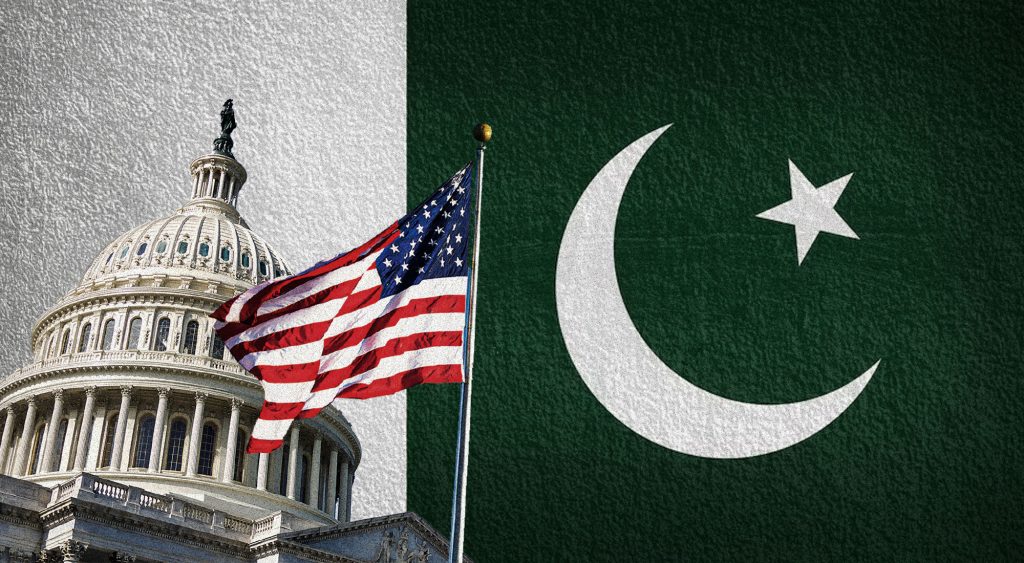
Pakistan – US relations in the post-Trump era whether cordial or bitter but seem to remain consistent in its transactional nature. Pakistani diplomats often describe their country’s ties with Washington as swinging between ‘allies’ and ‘foes,’ with little in between. That pattern of sharp highs and lows is the defining feature of the relationship. As the Trump administration approaches its end in January 2029, the more useful question is not whether the present warmth will cool, but what will remain once it does.
There is an impression about Pak-US relationship that it centers around leadership personal connection rather than institutions. At the recent improvement depends heavily on a personal relationship between President Trump and Field Marshal Asim Munir. Trump has publicly called Munir his “favourite field Marshal”, and he was the first US president to host a Pakistani army chief at the White House. This is a real gain for Islamabad, and it would be wrong to dismiss it. But personal trust does not pass automatically to a successor. A new president will bring new advisers, new priorities and a different view of South Asia. Pakistan should treat the present goodwill as a chance to build something lasting, not as a guarantee of anything.
Pakistan’s strategic usefulness to Washington is the part of the relationship most likely to last. Pakistan has positioned itself as an intermediary with Iran, a role similar to the one it played when the US first opened relations with China in 1970, and counterterrorism cooperation, particularly against IS-K, has deepened. Any future president, Republican or Democratic, will want a channel to Tehran and a partner against extremist groups in the region. These are shared interests rather than personal favors, and they give the relationship a basic floor.
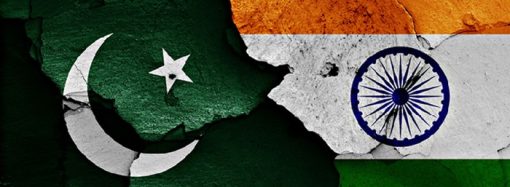
Pakistan will have to manage its two largest external relationships, India and China, with caution and diligence. The Trump administration courted New Delhi as part of efforts to counter China, and that logic will not disappear with the next election. Washington is unlikely to trade its partnership with India for closer ties with Pakistan, so the realistic goal is to be valued on Pakistan’s own merits rather than as the other half of a regional rivalry.
At the same time, Beijing remains Pakistan’s most consistent strategic partner, especially in infrastructure and long-term industrial development. China will remain central to Pakistan’s foreign policy, and this should be accepted openly and managed transparently rather than elusively. The assumption that Pakistan must choose one side no longer fits a world where most middle powers trade and cooperate with several partners at once. A future US administration may be less patient with this balancing act, so Pakistan should explain its position clearly and early.
It is important to note that lasting stability will depend on economic and public ties, not only security cooperation. Discussions on minerals, technology and trade have been part of the recent thaw, but much of this remains at the level of intention. For the relationship to survive a change in leadership, it needs groups with a stake in its success: exporters, investors, students, universities, and the Pakistani diaspora. These communities do not change with each election. Strengthening them will require wider involvement from parliament, the private sector and civil society, rather than relying mainly on military-to-military channels.
Relations after the Trump administration are likely to be colder but broken. In the light of historical relationship between Pakistan and US, it reflects that the relations will still going to be transactional and project-based, once they are done, relations can get weaker. Pakistan can avoid repeating that cycle only if it prepares for the period ahead while still benefiting from the present one. That means building contacts beyond a single leader or institution, being candid about its relations with China and India and investing in trade and people-to-people links that outlast any one president. A relationship built on one handshake is fragile, while one built on many hands can endure.

- Pak-US Relations Post Trump Era - November 20, 2026
- Why Cooperation Between Federal and Provincial Government Is Necessary to tackle Terrorism? - November 12, 2026
- Militarization of Strategic Naval gateways and Energy Security - October 12, 2026