Author Recent Posts Mahmood ul Hassan Latest posts by Mahmood ul Hassan (see all) How Will the US Midterm Results Shape Trump’s Foreign Policy? – November 23, 2026 How Can Pakistan Secure Its Western Border? – November 16, 2026 What should Pakistan Expect from the Badr Memorandum? – November 11, 2026
Donald Trump has acknowledged that the war with Iran helped cost Republicans control of Congress, but he has defended his decision to start it. His response captures the dilemma facing his foreign policy after the midterms. The defeat gives him reason to reconsider the political cost of his decisions without taking away his authority to act abroad. He can seek agreements, adjust the way he applies pressure or continue on his present course. His priorities may survive the election, but the methods he uses to pursue them, and the results he can sustain, are more likely to change.
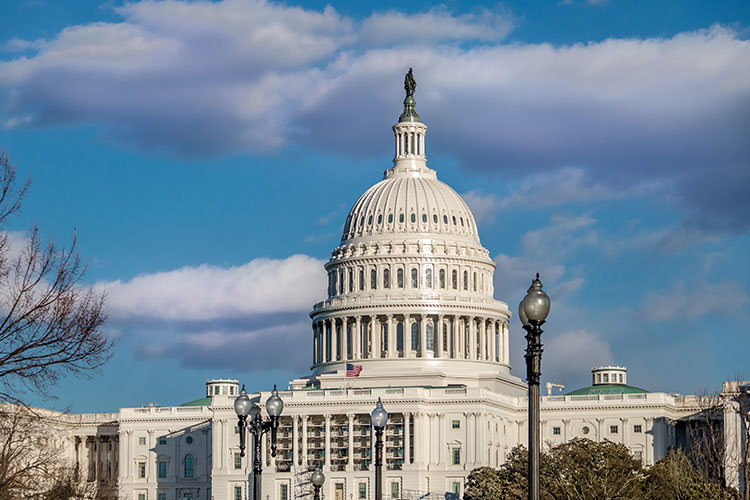
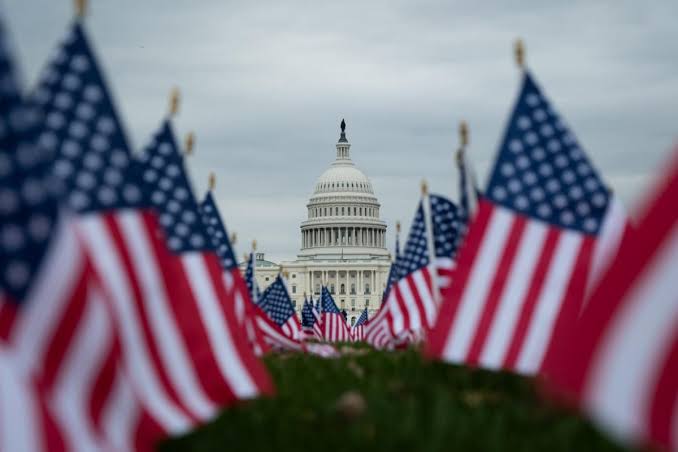
The pressure is coming from within his own party as well as from Democrats. Vice President JD Vance has questioned whether the Iran war was worth its cost and blamed it for Republican losses. That does not establish a split over every foreign-policy issue, but it makes the political argument harder for Trump to ignore. From January, Democrats will control both chambers of Congress. They can investigate his decisions, resist new spending and block senior nominees in the Senate. Trump still has a veto and considerable freedom in diplomacy and military affairs. During his first term, he vetoed an attempt to end American support for the Yemen war, yet signed a defence law containing conditions on troop reductions in South Korea. He may resist Congress again, but whether resistance works will depend on the decision at stake.
Iran is the clearest test because the war has already hurt Republicans politically. Trump faces a difficult choice: reducing operations or pursuing negotiations could ease domestic pressure, but might also require concessions he is unwilling to make. Maintaining or intensifying military pressure could serve his stated aims while extending the financial and political costs that damaged his party. The outgoing Republican-controlled Senate rejected another resolution against the war on 19 November, showing that Trump still has allies willing to defend his course. The incoming Democratic majority can bring greater scrutiny and challenge requests for fresh funding, though it cannot simply order an end to operations. Trump can use resources already approved, while any settlement would also require Iran’s agreement. On 19 November, he indicated he was in no hurry to decide on renewed major strikes and might leave that decision until the new year. For now, delaying escalation gives him time without resolving the war or the political cost of continuing it.
China is different. Competition over trade, advanced technology and security has support in both parties, so a Democratic Congress may challenge Trump for making concessions rather than for being too confrontational. Senator Maria Cantwell has demanded tighter controls on advanced American chips reaching companies linked to China, while Senator Tammy Baldwin has proposed ending China’s favourable trade status. Both indicate the pressure Trump could face if he seeks a trade agreement that relaxes controls or gives China terms lawmakers consider too generous. He can continue negotiating with President Xi Jinping, yet securing a deal that satisfies his own priorities and withstands congressional criticism may prove harder than arranging the talks.
Ukraine raises a different problem for Trump’s negotiations with Russia. In October he used waiver powers under a 2026 sanctions law to avoid applying some new restrictions, arguing that they could hinder peace talks. But lawmakers from both parties have challenged the administration over delays involving $400 million already approved for Ukrainian security assistance, saying the delivery plan runs through the 2029 fiscal year. They want the equipment delivered faster, while Trump retains influence over the timetable and the terms he pursues in negotiations. The incoming Democratic majority could make those delays harder to defend and seek conditions on future support, especially if Republicans join them. Trump can negotiate with Russia without waiting for Congress, but reducing support for Ukraine while those talks continue could bring opposition from both parties and strain relations with European allies.
Trump’s renewed engagement with Pakistan will not necessarily end with the Republican defeat. His administration has built closer relations with Pakistani leaders through security contacts, trade talks and regional diplomacy. Those channels can continue under a Democratic Congress. some commercial arrangements involve firms linked to Trump’s family or close associates, potentially attracting closer scrutiny from Democratic committees. Counterterrorism cooperation has support beyond Trump’s immediate circle and need not be affected in the same way. The more likely change is greater political examination of certain deals, not the abandonment of cooperation with Pakistan.
Trump is unlikely to respond to the midterms by abandoning his foreign-policy priorities. He has defended the Iran war while putting off a decision on renewed major strikes, suggesting caution about immediate escalation rather than a reversal. A deal with China that eases chip controls could draw criticism from Democrats who also favour a firm approach. Over Ukraine, he can pursue negotiations with Russia but faces bipartisan demands to deliver assistance ccongress has already funded. These pressures point in different directions: they could discourage another costly military escalation while making some diplomatic concessions harder to defend. Trump retains the authority to make any foreign-policy decisions. His defeat has made the political costs of those decisions harder to ignore.

- How Will the US Midterm Results Shape Trump’s Foreign Policy? - November 23, 2026
- How Can Pakistan Secure Its Western Border? - November 16, 2026
- What should Pakistan Expect from the Badr Memorandum? - November 11, 2026