Author Recent Posts Eeshah Fatima Latest posts by Eeshah Fatima (see all) Ballots and the Law of Nations – November 20, 2026 Two Articles, One Province: Power of Federal Governor Rule Explained – November 18, 2026 Pakistan’s Strongest Weapon on the Afghan Front Is Law – November 18, 2026
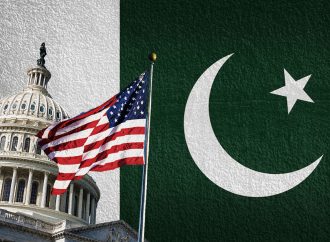
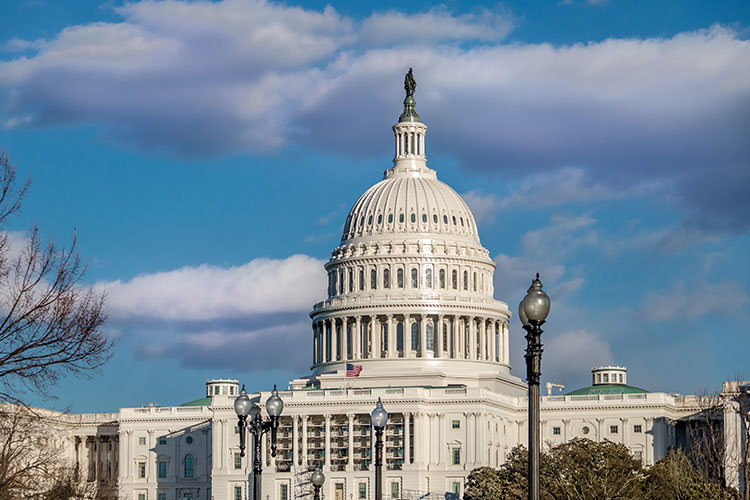
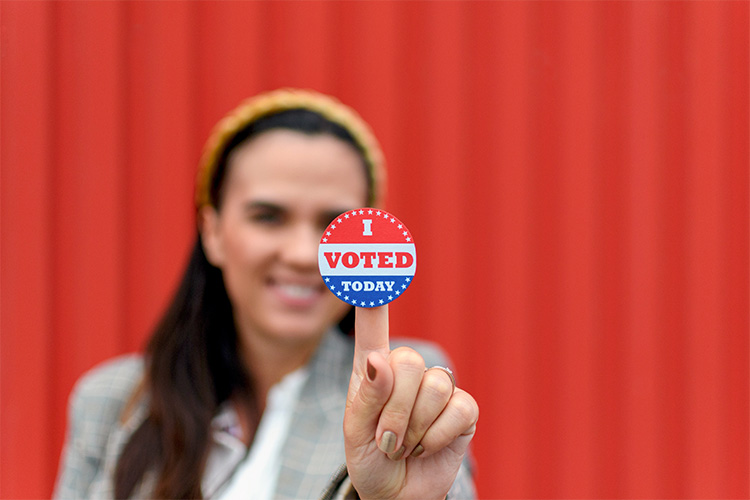
The American election significantly affects international law, because no state’s domestic politics shapes the global legal order as much as Washington’s. The United States wrote much of the post-1945 architecture, funds a large share of it, and holds a Security Council veto over its enforcement. When American voters rebalance power between the White House and Congress, as they did on 3 November 2026, the consequences travel well beyond Capitol Hill, into courtrooms in The Hague and negotiating rooms in Geneva.
The reason lies in constitutional design. Treaties require two-thirds Senate consent, yet presidents routinely act through executive agreements, withdrawals and reinterpretation of obligations, often without Congress. Customary international law binds the United States but is applied unevenly by American courts. Congress controls funding, sanctions and war-powers oversight, which are the practical levers that decide whether commitments are honoured. A divided Washington therefore matters legally: it changes who can bind the country, who can unbind it, and who can be held to account.
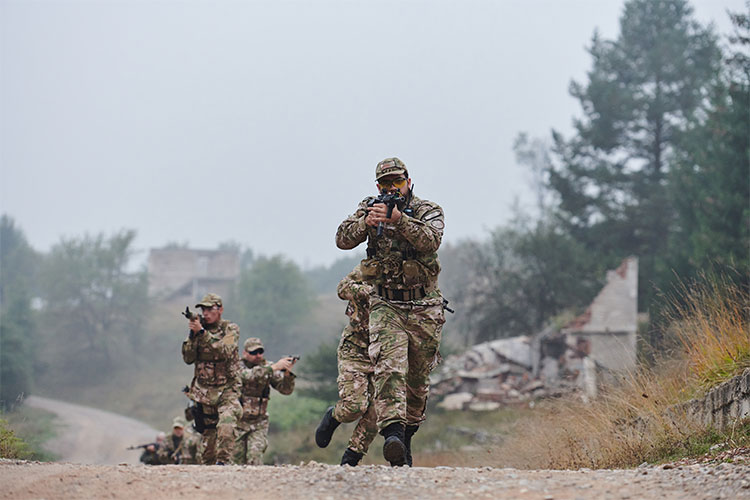
No theatre shows this more starkly than Iran. The war, now more than eight months old, was a central issue in the vote, with voters frustrated by surging fuel prices, and the president has acknowledged that the conflict affected the result. Democrats take control of both chambers in January 2027. They can hold hearings, subpoena records, and force repeated votes on war powers. Yet they lack the two-thirds majorities needed to override a veto, so Congress can constrain the war but cannot simply end it.
The legal questions are profound. Article 2(4) of the UN Charter prohibits force against another state unless it is authorised by the Security Council or justified as self-defence under Article 51. Domestically, the War Powers Resolution of 1973 requires hostilities to end within sixty days absent congressional authorisation. Earlier attempts to invoke it have failed in the Senate, narrowly in one case, though a House resolution passed in September. Repeated votes build a record that scholars and tribunals may later weigh.
What follows from the election will matter to international law whichever way the war goes. If Congress compels de-escalation, it shows that democratic accountability can restrain unilateral force, strengthening the Charter’s premise. If the president presses on regardless, relying on executive authority, the precedent hardens that force can be used without legislative or Security Council approval. Both outcomes will be cited by other states, from the Gulf to Eastern Europe, when they justify their own conduct.
The consequences of the war reach well beyond the battlefield. Hostilities in the Gulf have pushed up fuel prices while raising serious questions under the law of armed conflict and the law of the sea. A Democratic Congress is likely to press harder on civilian protection and on whether American arms and intelligence are used lawfully. That scrutiny could strengthen international humanitarian law, which has been weakest where enforcement is most needed.
Institutions form a further front. Washington has never joined the International Criminal Court, has sanctioned its officials, and has withdrawn from or defunded several multilateral bodies. Tariffs imposed under emergency statutes have strained World Trade Organization rules, and its appellate body has been paralysed since 2019. These are largely executive choices sustained by congressional budgets. Oversight hearings and appropriations riders let lawmakers entrench or soften that posture, and the health of the UN system depends on which they choose.
Allies and adversaries are watching for a different signal: reliability. Treaties work because states expect commitments to survive changes of government. When Washington reverses positions on climate agreements, nuclear understandings or arms-control frameworks, the principle of pacta sunt servanda weakens in practice, even if it stands in theory. Divided government may make sudden reversals harder, offering partners some predictability, though predictability through gridlock is a poor substitute for genuine legal commitment, and it will not by itself rebuild eroded trust.
Caution is warranted, however. Foreign policy remains the president’s strongest constitutional terrain, and a Congress that can obstruct cannot easily direct. Executives retain broad discretion over treaties, sanctions and military deployments, and courts defer on political questions. Elections can therefore slow legal drift without reversing it. International lawyers should resist reading one midterm as a restoration of order. Law is sustained by consistent practice across administrations, not by the arithmetic of a single Congress, and Mr Trump said the day after the vote that the Iran war continues.
For Pakistan, the stakes are immediate. Islamabad has invested heavily in direct access to the Trump White House, and it hosted the June Islamabad Memorandum between Washington and Iran, a role that gives it standing but also exposes it if fighting intensifies along its western border, while households squeezed by fuel prices would welcome peace. A Democratic Congress can scrutinise that executive goodwill. The prudent course is to build ties with both parties, stay neutral on Iran, and invoke international law consistently, notably on the Indus Waters Treaty.
The deeper lesson is that international law is only as strong as the domestic politics of its most powerful members. American voters did not go to the polls to decide the fate of the UN Charter, yet an unpopular war pushed them toward a verdict that will shape its application. The task for lawyers, diplomats and citizens is to treat each election as a reminder that legal order is maintained, not inherited, and must be defended through consistent practice.

- Ballots and the Law of Nations - November 20, 2026
- Two Articles, One Province: Power of Federal Governor Rule Explained - November 18, 2026
- Pakistan’s Strongest Weapon on the Afghan Front Is Law - November 18, 2026