Author Recent Posts Mahmood ul Hassan Latest posts by Mahmood ul Hassan (see all) How Can Pakistan Secure Its Western Border? – November 16, 2026 What should Pakistan Expect from the Badr Memorandum? – November 11, 2026 Did Pakistan Overestimate Its Influence over the Taliban After the Doha Agreement? – September 4, 2026
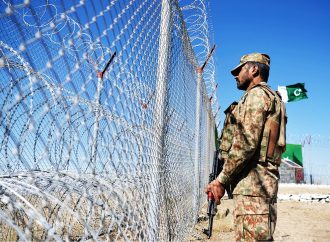
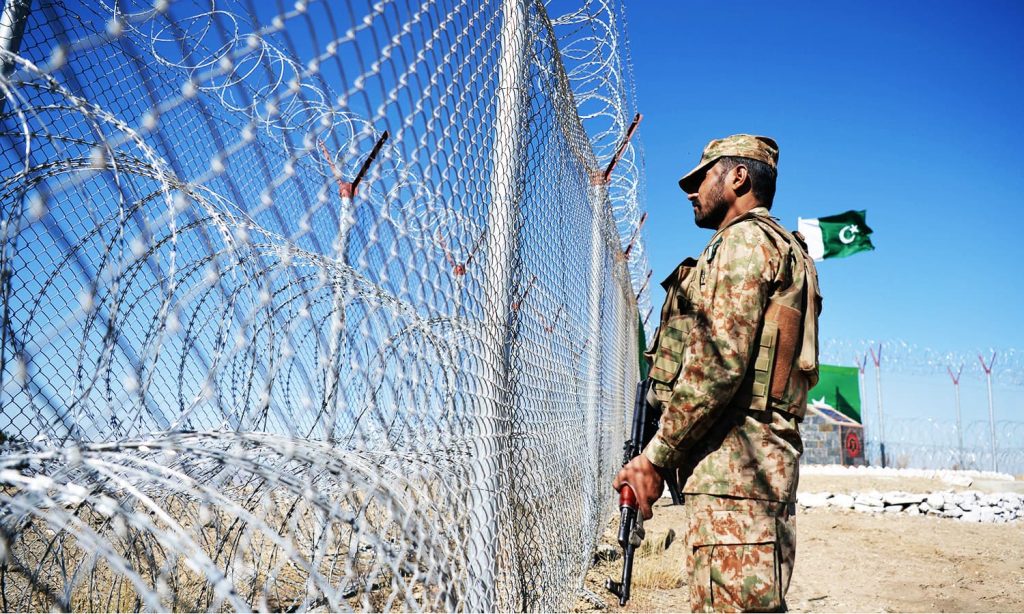
Pakistan can strengthen security along its border with Afghanistan, but the threat from the Tehreek-e-Taliban Pakistan (TTP) will remain difficult to control without serious action by Afghanistan’s Taliban government. The TTP is a militant group responsible for attacks on civilians and security forces, separate from the Taliban governing Afghanistan. Pakistan can strengthen security in its own border districts and prevent clashes between border forces. It cannot ensure that armed groups are stopped on Afghan territory. Afghanistan now has more diplomatic partners and trade routes, giving its rulers more choices when Pakistan applies pressure. Pakistan needs to protect its people without weakening ties that may help secure cooperation.
The fighting at Torkham on 1st November shows that border security involves more than the TTP. According to local reporting, Pakistani and Afghan forces exchanged fire following a disagreement over construction near a checkpoint. The crossing was shut for several hours, interrupting the return of Afghan families. Their movement resumed after officials agreed to stop construction; normal trade remained restricted. A civilian was also reported killed in shelling near Angoor Adda. Neither incident was established as a TTP attack. Regular contact between border officials could prevent such disputes from escalating and damaging wider relations. It would not, by itself, deal with the TTP.
A United Nations monitoring report released in August assessed that Afghanistan’s Taliban authorities continued to support the group as its attacks against Pakistan increased. It also reported that Taliban authorities had moved TTP fighters and their families away from the border and warned the group to stop attacks on Pakistan. These reported steps suggest some effort to restrain the group, but do not show that it can no longer carry out attacks. Afghanistan’s Taliban authorities deny sheltering militants. Pakistan needs evidence of action, not another general assurance.
The Afghan Taliban’s relationship with the TTP makes such action difficult. The two movements have longstanding ties, and some Taliban leaders may fear that a direct break could divide their supporters or push militants towards ISIS in Afghanistan, which opposes their government. This helps explain why the Taliban have taken steps to restrain the TTP meeting Pakistan’s main demand. Another round of talks will achieve little unless Afghanistan sees a reason to change its approach.
Pakistan has tried to raise the cost of inaction through military pressure and restrictions at border crossings. Some measures may be needed for security; their longer-term value depends on results. Long closures interrupt Pakistani trade and the lives of families on both sides. Afghan businesses have also shifted more trade towards Iran and Central Asia. These routes may cost more, yet traders have reasons to keep using them after repeated closures. Pakistan should not assume that making trade difficult will persuade Afghanistan to act against the TTP. Necessary security checks should continue, but lengthy restrictions without results may weaken useful ties.
Afghanistan’s growing relations with other countries give its Taliban government more choices when it disagrees with Pakistan. Russia recognized the government in 2025, and India has renewed official contact with Afghanistan. Those relationships do not replace Pakistan’s roads, markets or shared border. They give Afghanistan alternatives when relations with Pakistan worsen. Pakistan cannot choose Afghanistan’s partners, but it can protect the value of regular trade and official contact where security permits. Trade alone will not change Afghanistan’s TTP policy, but losing these links could reduce Pakistan’s ability to seek cooperation.
China shares some of Pakistan’s concerns about militant groups in Afghanistan. It hosted talks between Pakistan and Afghanistan in April, and Pakistan and China named the TTP among threats to regional security in a joint statement the following month. China wants action against militant threats and also wants to avoid another Pakistan–Afghanistan confrontation. At a Russia-hosted meeting in October, Pakistan and Afghanistan disagreed over terrorism, leaving the participants without a joint statement. Regional help may calm a crisis; reducing TTP attacks still requires Afghan action.
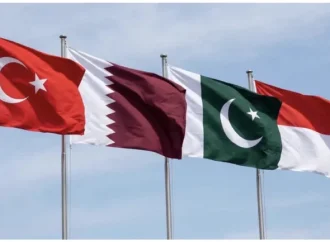
Pakistan should not let failed talks over the TTP stop work on other border problems. Border officials should have reliable contact to settle disputes over construction and crossings. Pakistan must also improve policing, cooperation among its own authorities and public trust in districts affected by militancy. Pakistan should seek clear steps from Afghanistan to stop attacks being planned on its territory, and a way to check whether it follows through. Turkiye and Qatar helped the governments agree in principle in 2025 to monitor a ceasefire between their forces. That was separate from checking action against the TTP.
Pakistan does not need to settle every disagreement with Afghanistan before making its own areas safer. A lasting reduction in the threat from across the border will still depend on action by Afghanistan’s Taliban government. Pakistan needs to remain firm about the TTP while keeping useful trade and official contact open wherever security allows. China and other countries can help ease tensions, but cannot decide Afghanistan’s policy towards the TTP. Success will depend on fewer attacks and safer border communities, rather than more warnings, closures or even kinetic strikes.

- How Can Pakistan Secure Its Western Border? - November 16, 2026
- What should Pakistan Expect from the Badr Memorandum? - November 11, 2026
- Did Pakistan Overestimate Its Influence over the Taliban After the Doha Agreement? - September 4, 2026