Author Recent Posts Wajeeha Ashfaq Latest posts by Wajeeha Ashfaq (see all) How has the Middle Eastern War Transformed the Iran-Gulf Relations? – July 15, 2026 Will Water Emerge as the Next Battlefield between India and Pakistan? – July 15, 2026 The U.S.-Iran Peace Process and the Lebanon Question – July 15, 2026
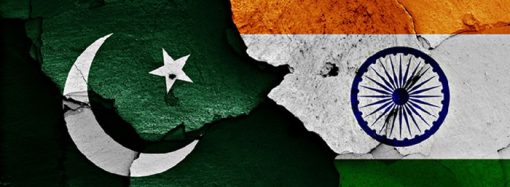
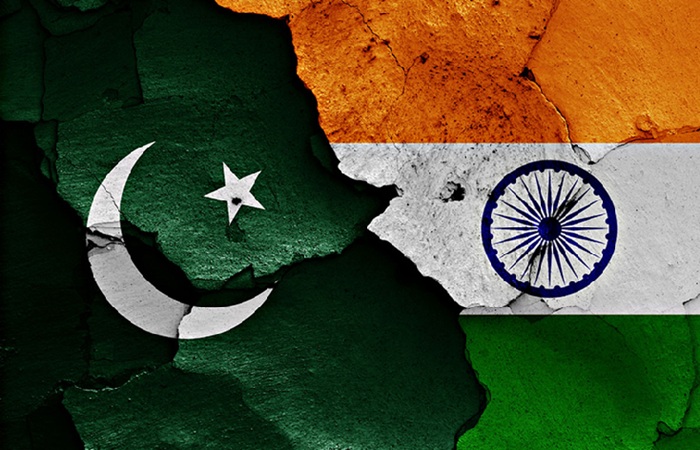
Pakistan and India can still act as responsible neighbours despite the persistent history of confrontation. The relations between India and Pakistan reached a complete stalemate after the confrontation of May 2025. It has been more than a year since the suspension of the Indus Water Treaty, and a complete deadlock on both sides. However, there are reports of attempts at backchannel diplomacy. This has been a hallmark of Indo-Pak relations before any solid agreement for easing tensions. The rigid ideological stance of the BJP and Pakistan’s consideration of its national security, however, do not let the rhetoric of peace materialize. This raises an important question: Given the historical animosity between both states, can India and Pakistan leave behind their confrontational stance and move on with a goodwill gesture towards each other?
It seems likely that the Modi government might be tilted towards diplomacy more than a renewed conflict with Pakistan. One of the most significant factors symbolizing this inclination towards dialogue was the statement made by RSS General Secretary Dattatreya Hosabale in May 2026. He asserted that India should not close the doors of dialogue with Pakistan. This sparked a major controversy in India, coming from a member of the Hindu supremacist organization, backing the ideological foundations of Modi’s government. The remarks were openly welcomed by Pakistan, saying that Pakistan would wait for the official attempts towards dialogue. Although no practical steps have been taken so far but the statement was more recently backed by another RSS official, Mohan Bhagwat. This shows that the Indian ideological wing seems to be backing the idea of pragmatic engagement rather than a conflict with a neighbour, when both possess nuclear weapons.
The regional and strategic pragmatism has led to the engagement of both sides through backchannel diplomacy. There have been reports of continued Track 2 and Track 1.5 meetings between Pakistan and India, in the light of the 2025 ceasefire. No official revelation has been made on the matter; however, this signals towards the prospects of official dialogue resumption. Such meetings were usually held before any breakthrough declarations like the Lahore Declaration in 1999. Due to the lack of trust between the two sides, India and Pakistan have historically engaged in backdoor negotiations before attempting any formal peacebuilding efforts. Thus, there are signs of a pragmatic talks to be held, though not formally claimed by any side.
The incentives for negotiations are, however, hindered by certain restraints due to the historical enmity and the completely different positions of both parties. India’s repeated blaming of Pakistan’s involvement in terrorist activities across the border, without any substantial proof, shows the animosity of the BJP government towards its neighbour. Pakistan, on the other hand, calls for joint efforts in such cases, as it proposed a joint investigation after the Pehlgam incident. India’s rigid stance makes the prospects for the materialization of dialogue murky. This is mainly due to the domestic factors, as any goodwill attempt towards Pakistan may raise nationalist opposition, as the BJP has been shaping its ideology mainly on anti-Pakistan and anti-Muslim rhetoric.
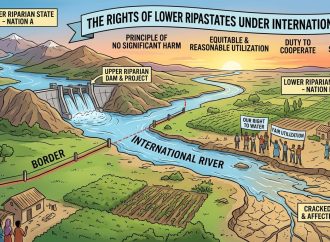
Another factor that makes the current conflict between Pakistan and India different from the previous ones is the abeyance of the Indus Water Treaty. The treaty that survived for decades has come to an abrupt unilateral suspension by India. The statement by the Indian Minister for Water that ‘Pakistan will not receive a single drop of water’ signifies the absurd rigidity of India regarding the treaty. Water security remains a crucial determinant of Pakistan’s security. The Indian rejection of any arbitration is considered by Pakistan as a national security threat. Therefore, as long as India arrives at a discussion on the treaty, any other attempts at easing the tensions could prove futile.
The Kashmir issue remains another major obstacle in Indo-Pak relations. The issue has been revived since the 2019 Indian abrogation of Article 370 and Article 35A. The subtle process of allowing Indian citizens to now buy land in Kashmir shows the Modi government’s attempts at demographic changes. The Kashmir issue lies at the center of India-Pakistan relations. A short-term agreement may be reached without the resolution of Kahsmir issue; however, a long-term period of détente could require a confrontation of this issue and its ultimate resolution.
Both the nuclear-armed countries, motivated by the desire to avoid any other escalation, could still adopt an incremental approach for easing tensions. There is no expectation of a grand dialogue or immediate improvement of relations, but the settlement of the U.S.-Iran Conflict may divert Pakistan’s attention towards the issue. Both Pakistan and India may be inclined towards positive peace through the collaboration and involvement of third-party mediators, mainly the U.S. The United States’ differences with India and a closer relation with Pakistan might compel the superpower to move away from the transactional relations of the past and play a more proactive role in mediation between the two neighbours. The resumption of visas, military to military contracts, restoration of the Indus Water Treaty, and the ceasefire arrangement along the Line of Control may be the starting points for a long term peacebuilding. All of these have to be backed by mutual trust and confidence-building measures from both sides.

- How has the Middle Eastern War Transformed the Iran-Gulf Relations? - July 15, 2026
- Will Water Emerge as the Next Battlefield between India and Pakistan? - July 15, 2026
- The U.S.-Iran Peace Process and the Lebanon Question - July 15, 2026