Author Recent Posts Mahmood ul Hassan Latest posts by Mahmood ul Hassan (see all) Did Pakistan Overestimate Its Influence over the Taliban After the Doha Agreement? – September 4, 2026 Is Pakistan Prepared for the Economic Costs of a ProlongedUS–Iran War? – September 4, 2026 Can the Makkah Joint Defence Agreement Deter Conflict Without Increasing
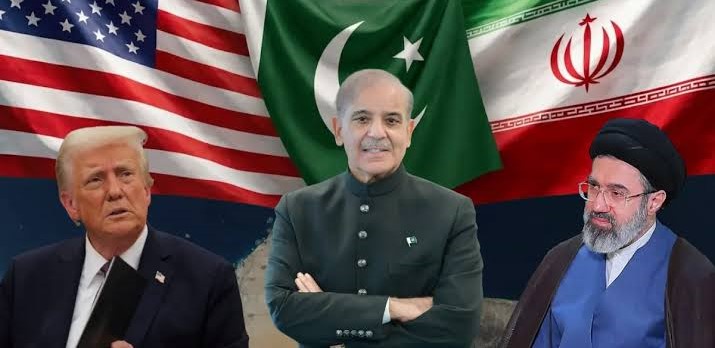
Pakistan is economically improving, but it remains too dependent on foreign financing, Gulf remittances and vulnerable fuel routes to absorb the economic effects of a prolonged regional war. Stronger reserves, record remittances and IMF support make a short-term disruption relatively easier to handle, but it has limits. Pakistan has no working national emergency fuel reserve, few reliable supply routes and little room in the budget. Exports and investment also remain weak. A longer war could raise the fuel costs and put Gulf financing, remittances and overseas jobs under pressure with spillover effects for the economy.
Pakistan’s reserves have improved, but they would cover only about two and a half months of imports. That is not a large cushion for a prolonged war. The rupee is steadier, and the IMF programme has helped Pakistan obtain foreign financing and renew loans as they came due. More than half of grid electricity now comes from hydropower, nuclear power and renewable sources. This lowers imported fuel use in electricity generation. It does not remove the wider risk because transport, farming and trade still depend heavily on oil.
A prolonged war would make oil, gas, shipping and insurance more expensive. Exports could weaken, and short-term loans from Gulf could become harder or costlier to obtain. Pakistan would then need more dollars just as export earnings and Gulf financing become less certain. A weaker rupee would make imported fuel, machinery and foreign debt payments more expensive. Reserves could help absorb the initial shock, but using them for months would leave fewer dollars for later imports and repayments. The result would be higher prices and slower economic growth.
Pakistan’s dependence on the Gulf is not only financial. Roughly four-fifths of Pakistan’s imported fuel comes from Gulf countries. Most imported oil and LNG normally pass through the Strait of Hormuz. Saudi Arabia’s Red Sea port of Yanbu could have offered some flexibility, but it too has come under Houthi blockade widening the conflict. Fuel held by commercial companies may delay a shortage, yet it is not the same as a national reserve the government can use when normal supplies are cut. Available information does not show that these stocks could last through a long disruption. Pakistan could have the dollars to pay and still face shortages if fuel could not be secured, insured and delivered.
Higher fuel prices would not remain limited to petrol stations. They would quickly raise the cost of transport, farming, food and production. Costlier diesel would raise the expense of moving crops, food and factory goods. Higher gas prices and costlier imported materials would raise production costs and make Pakistani exports less competitive. Farmers would also pay more for irrigation, transport and imported fertilizer, which could raise food prices later. An actual shortage would be worse than a price rise because it could stop transport and production. Balochistan could be hit harder because border trade and some energy links with Iran support local livelihoods.
The government would then face a difficult choice. Passing the full increase to consumers would raise transport, food and household costs. Holding prices down for everyone would reduce government income from fuel taxes and force it to pay the difference. It is estimated that shielding everyone from that increase could widen the budget deficit by about 0.8 per cent of the country’s economic output, this shows why a general fuel subsidy would be difficult to sustain. Continued inflation could keep interest rates high and weaken investment. Temporary cash support for vulnerable families would cost less and reach those who need help most.
Pakistan also depends on the Gulf countries for jobs and family incomes. More than half of the country’s remittances come from Gulf countries. Higher oil prices do not always reduce remittances. In normal conditions, stronger Gulf income can support jobs and the money workers send home. A prolonged war would be different if it disrupted construction, aviation, trade and other sectors employing Pakistani workers. Pakistan could then need more dollars for energy while receiving less money from workers abroad. That would reduce the dollars available to Pakistan and hurt families that rely on money sent from abroad. Some returning workers could also need jobs and financial support at home.
The government has taken steps to manage pressure on fuel prices and supplies. It has adjusted fuel prices more often even on daily basis, tracked deliveries, reduced unnecessary fuel use and limited relief to those most affected. Plans for strategic reserves and more storage show that the main weaknesses are understood. Understanding the problem is not the same as having fuel stored, routes tested and clear emergency rules. Pakistan should secure fuel, shipping insurance and financing before conditions worsen. It should also decide which services would receive fuel first if supplies fell. The government should target help to vulnerable families, small farmers and public transport. Overseas missions should prepare to help Pakistani workers affected by disruption in Gulf countries.
Pakistan cannot adapt to these weaknesses quickly, but it can reduce them. The first task is to make sure the country can obtain and distribute fuel during a long disruption. That means storing fuel for emergencies, testing more than one supply route and improving ports, storage and transport. Pakistan must also reduce its wider dependence. It needs stronger exports, investment that creates jobs and more job opportunities for Pakistanis outside the Gulf. Its recent stability is real, but it still rests heavily on IMF support, Gulf financing, remittances and imported fuel. Pakistan is less fragile than before, but it would still find a prolonged war very difficult to manage.

- Did Pakistan Overestimate Its Influence over the Taliban After the Doha Agreement? - September 4, 2026
- Is Pakistan Prepared for the Economic Costs of a ProlongedUS–Iran War? - September 4, 2026
- Can the Makkah Joint Defence Agreement Deter Conflict Without Increasing Regional Tensions? - September 4, 2026