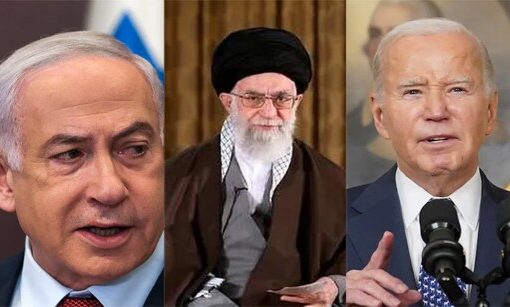
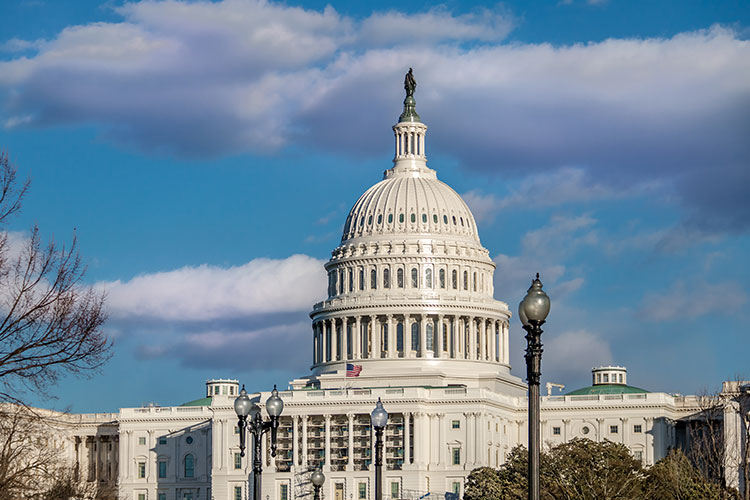
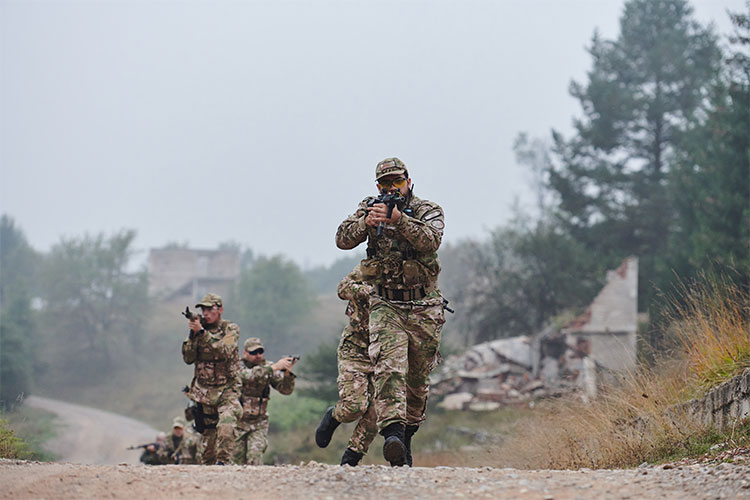
The relationship between the United States and Iran has remained one of the most contentious rivalries in international politics. At the centre of this dispute lies Iran's nuclear programme. Washington concluded that diplomacy with Tehran was exhausted and wanted to degrade Iran nuclear program as it posed an unacceptable threat to regional and international security.READ MORE
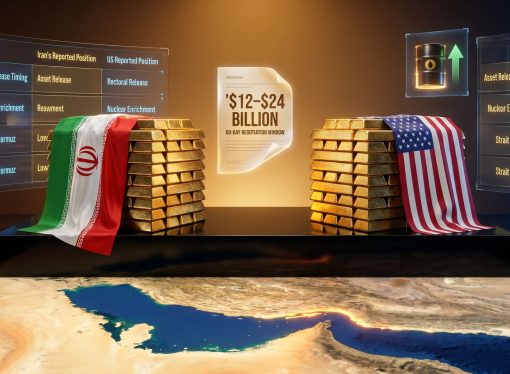
The renewed Iran–US conflict was not simply a repeat of the opening campaign. Initially, it was based on the expectation that military destruction would weaken Iran’s political system and force change to bring a regime favorable to the US, while the renewed conflict became a struggle over bargaining power, maritime pressure and preferable settlement termsREAD MORE
Rivers and their water, historically, have remained a red line for almost every civilization. Access to water has always been essential for ancient settlements. In today’s modern times, things remain largely unchanged. In almost every part of the world, there is an issue linked to either oceans, seas, or rivers. The subcontinent, after its independenceREAD MORE
Throughout history, dominant powers have played a significant role in shaping international relations. Superpowers have often influenced the affairs of other states through political pressure, economic sanctions, and diplomatic negotiations. Today, the world has the United States. One of the most recent examples of hegemonic influence in the affairs of another state is US-Iran conflict.READ MORE
India and Pakistan relation has always been in turmoil, and this during the recent time has affected the sports. The governments, embassies, and international sports federations host sports exchanges to promote values, reduce political tension, and interact with foreign populations; sponsor athletic ambassadors, and organise events, that is often considered as a form of diplomacyREAD MORE
Population quality depends on skill formation, literacy rate, health and life expectancy. Population can either be an asset or liability for state based on if it is skilled or uneducated; also, population as a source of economic strength depends on states investment on human capital. The question is that whether the governmental policies & investment madeREAD MORE
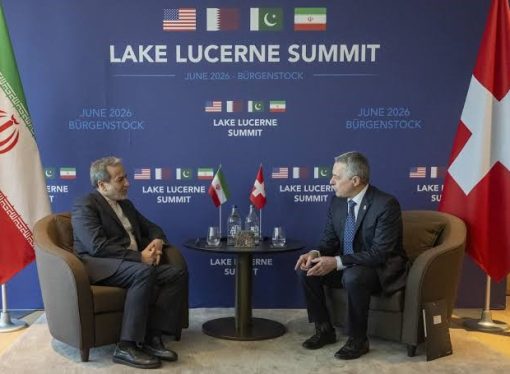
It is quite significant in Pakistan’s history to be recognised as a peacemaker and an emerging middle power through its diplomatic mediatory role. This was done by leveraging its strategic relationships, military credibility, and regional consensus-building to de-escalate one of the most volatile conflicts in the Middle East. Pakistan's successful mediation between the United StatesREAD MORE
The U.S.-Iran conflict has shifted the nature of Iran-Gulf relations from ideological rigidity to pragmatism, compelling both sides to pursue caution in engagement. The ideological antagonism, sectarian differences and geopolitical rivalry between Iran and the Arab Gulf monarchies have been the hallmark of their relations for decades. The Gulf Cooperation Council (GCC) has always seenREAD MORE
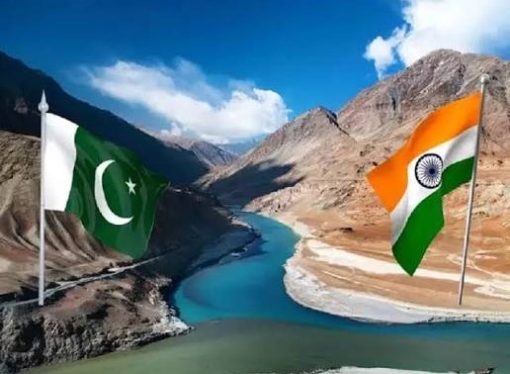
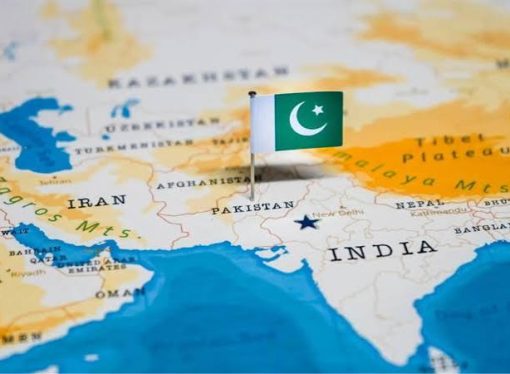
Water is being used as a weapon by India against Pakistan, and if India continues along this path, the Indus might become the next flash point in South Asia's most volatile rivalry. The Indus Waters Treaty (IWT) was a cornerstone of peace between the two hostile nuclear powers for 65 years, until it was unilaterallyREAD MORE