
Author Recent Posts Zahid Hussain Latest posts by Zahid Hussain (see all) Outcomes of US–Iran Negotiations – April 28, 2026 Success of Pakistan’s Diplomacy – April 16, 2026 Strategic Motives Behind Operation Ghazab lil Haq – March 31, 2026
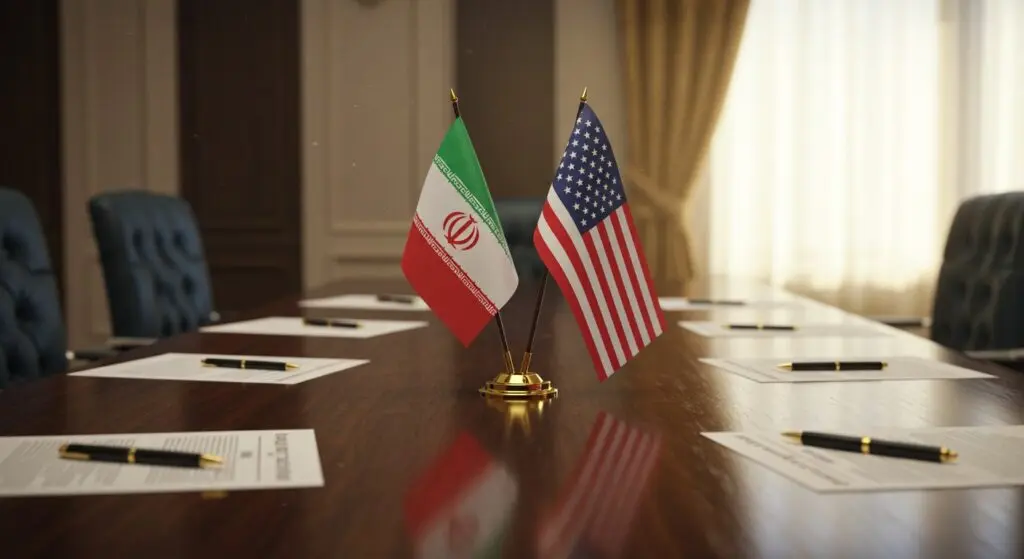
The first round of Islamabad talks between the United States and Iran marked a constructive and encouraging step towards regional peace. These talks demonstrated the growing importance of diplomacy and highlighted Pakistan’s effective role as a trusted mediator, even though the negotiations did not produce a final agreement. The process itself created momentum for future engagement and showed that even long-term adversaries can move toward dialogue under the right conditions. These talks were hosted in Islamabad which actively shaped a conducive environment for both sides. Pakistan enabled open communication and reduced tensions that had previously blocked meaningful dialogue by offering a neutral platform. Pakistani officials coordinated closely with international partners and ensured that negotiations proceeded in an organized and respectful manner. This diplomatic effort strengthened Pakistan’s global image as a peace-building state and reinforced its ability to facilitate complex negotiations under critical time.
The United States and Iran entered the first round of Islamabad talks with serious intent through an agreed ceasefire. Their willingness to engage signaled a shared recognition that diplomacy offers the best path forward. Negotiators explored ways to reduce tensions in sensitive areas such as ending the conflict and ensuring the opening of the Strait of Hormuz. These discussions reflected a positive shift from confrontation to communication, which itself stands as a significant achievement. The talks produced several encouraging outcomes. First, both sides established direct and indirect communication channels that improved understanding and reduced the risk of miscalculation. These channels created a base for continued dialogue and ensured that future disagreements could be managed through discussion rather than escalation. Second, negotiators clarified their positions on key issues, which helped narrow the gap between competing demands. This clarity will support more focused and productive discussions in future rounds.
Core disagreements during the first round of Islamabad talks between the United States and Iran ultimately prevented both sides from reaching a final agreement. Iran demanded firm and binding security guarantees to prevent any future US military action, while the United States insisted on maintaining its strategic flexibility and refused to offer unconditional assurances. Iran pushed for immediate and complete removal of sanctions, whereas the United States supported a gradual and conditional approach tied to compliance. Both sides also failed to reach consensus on sanctions relief, as they remained divided over the timing, scope, and conditions for lifting economic restrictions. Disputes over military and nuclear limitations further complicated the negotiations, with the United States calling for strict monitoring and Iran rejecting intrusive inspections in defense of its sovereignty. The two countries disagreed on Iran’s role in regional conflicts and failed to find common ground on the security and control of the Strait of Hormuz. The issue of verification mechanisms also created tension, as the United States demanded strict enforcement while Iran preferred limited oversight. Finally, both parties could not agree on the timeline for implementation, with the United States favoring a phased process and Iran seeking faster, simultaneous actions.
Pakistan played a central role in guiding these outcomes. Its mediators encouraged a step-by-step approach that emphasized confidence-building measures. Pakistan assisted both sides to consider realistic objectives by promoting gradual progress. This approach allowed negotiators to discuss sensitive topics such as maritime security and regional stability in a controlled and constructive setting. Pakistan’s balanced diplomacy ensured that neither side felt marginalized, which increased trust in the negotiation process. Another positive aspect of the Islamabad talks involved the shared acknowledgment of the importance of the Strait of Hormuz. This mutual understanding created space for peace and highlighted the potential for joint efforts in ensuring safe navigation and economic security. While disagreements remained, the willingness to address this issue reflected a constructive mindset. These talks also demonstrated the effectiveness of regional mediation. Pakistan, supported by other friendly countries such as China, Saudi Arabia and Turkey, showed that regional actors can contribute meaningfully to global peace efforts. This success has elevated Pakistan to a position where the international community increasingly recognizes it as a credible and emerging leader in facilitating complex international disputes. It also highlights country’s diplomatic influence over key regional and major powers functioning within international system.
In conclusion, the first round of Islamabad talks produced positive and meaningful outcomes despite the absence of a final agreement. It clarified positions and created a pathway for future negotiations. Most importantly, it highlighted Pakistan’s vital role in promoting peace and stability in the region. Further, the negotiations strengthened communication between the United States and Iran, eased immediate tensions, and clarified positions on critical issues. Although differences over security guarantees, sanctions relief, nuclear oversight, and regional influence prevented the parties from reaching a tangible consensus, their willingness to negotiate in Islamabad marked a breakthrough for diplomacy and offered hope that continued engagement could eventually lead to lasting peace.

- Outcomes of US–Iran Negotiations - April 28, 2026
- Success of Pakistan’s Diplomacy - April 16, 2026
- Strategic Motives Behind Operation Ghazab lil Haq - March 31, 2026










Leave a Comment
Your email address will not be published. Required fields are marked with *