
Author Recent Posts Zahid Hussain Latest posts by Zahid Hussain (see all) Strategic Motives Behind Operation Ghazab lil Haq – March 31, 2026 Why NATO is not willing to join the U.S.- Israel-Iran war? – March 31, 2026 Strategic Recalibration in the U.S – Pakistan Relations – March 19, 2026
The ongoing war between the United States, Israel, and Iran has created significant geopolitical shift of the decade. The world expected the North Atlantic Treaty Organization (NATO) to stand firmly behind Washington like it had since the end of the Cold War. However, the world has witnessed an unusual development where most NATO allies have shown reluctance to join the conflict. European leaders have openly stated that the war does not represent NATO’s mission and have emphasized diplomacy instead of military intervention.
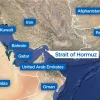
This unprecedented unwillingness has multiple important realities about global power, alliance politics, and the changing nature of Western unity. NATO’s reluctance demonstrates the limits of American leadership within the alliance. Washington has acted as the dominant force that shaped NATO’s strategy and military posture for decades. However, the current crisis shows that European countries increasingly are safeguarding their own interests and strategic calculations. When the United States requested support to secure the Strait of Hormuz and expand military operations, several allies declined to participate in offensive actions.
European governments concluded that direct involvement could escalate the war and threaten their economic stability and security. This response signals a clear shift from automatic alignment with American policy toward independent decision-making. Additionally, NATO’s stance highlights the defensive nature of the alliance. NATO was originally created to protect member states from attacks, particularly during the Cold War confrontation with the Soviet Union. Article 5 of the NATO treaty obliges members to defend each other when one member faces aggression. However, the current conflict does not involve an attack on NATO territory. Instead, it emerged from pre-emptive strikes by the United States and Israel against Iranian targets. Because the alliance framework focuses on collective defense rather than offensive operations, many European governments argue that NATO should not transform into a vehicle for wars outside its defensive mandate.
Another factor that adds to unwillingness of NATO members reflects growing tensions across Europe. The continent has already faced years of geopolitical tension, including the war in Ukraine, economic crises, and energy insecurity. European societies show little appetite for another large-scale conflict in the Middle East. Leaders understand that military involvement could provoke Iranian retaliation, disrupt energy supplies, and trigger domestic political instability. Hence, governments prefer diplomatic engagement and de-escalation rather than military expansion.
NATO’s present hesitation also exposes divisions within the Western alliance. Although, some countries have offered political support to Washington, others have openly criticized the strikes on Iran or refused logistical cooperation. Spain is one such example who has rejected requests to support certain operations and warned that unilateral military action could endanger global stability.
These disagreements reveal a widening gap between the strategic priorities of the United States and those of several European partners. Situation like this signals the emergence of a more multipolar international order. American power dominated global politics and NATO usually followed Washington’s lead right after the end of cold war. Today, however, many countries seek strategic autonomy. European states increasingly coordinate policies through the European Union and attempt to balance relations with major global actors. Their refusal to join the war suggests that the era of unquestioned American leadership is disappearing.
This recent NATO’s reluctance sends a message to the wider world about the risks of unilateral military action. When allies refuse to participate, the legitimacy and sustainability of a war become more uncertain. Global audiences interpret the lack of unity as evidence that Western powers do not always share the same threat perceptions or strategic priorities. This NATO’s unprecedented unwillingness to join the United States and Israel in the war against Iran has revealed historical changes in international politics. It indicates limitation of American influence, reaffirms NATO’s defensive identity, reflects European war fatigue, and highlights divisions within the Western alliance. Most importantly, it signals a transition toward a more complex and multipolar world where alliances operate with greater independence rather than unquestioned loyalty.


- Strategic Motives Behind Operation Ghazab lil Haq - March 31, 2026
- Why NATO is not willing to join the U.S.- Israel-Iran war? - March 31, 2026
- Strategic Recalibration in the U.S – Pakistan Relations - March 19, 2026
















Leave a Comment
Your email address will not be published. Required fields are marked with *