

Author Recent Posts Zahid Hussain Latest posts by Zahid Hussain (see all) Strategic Motives Behind Operation Ghazab lil Haq – March 31, 2026 Why NATO is not willing to join the U.S.- Israel-Iran war? – March 31, 2026 Strategic Recalibration in the U.S – Pakistan Relations – March 19, 2026
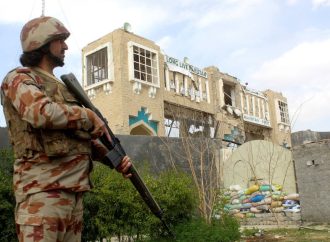
Operation Ghazab lil Haq represents a significant development in the evolving security dynamics between Pakistan and Afghanistan. Pakistani authorities launched the campaign as a defensive and retaliatory response to persistent cross-border attacks and the increasing presence of militant groups operating from Afghan territory. To understand the strategic motives behind the operation, one must examine the broader security, political, and geopolitical considerations that influenced Pakistan’s decision.
One of the key motivations behind Operation Ghazab lil Haq stems from Pakistan’s long-standing concern regarding cross-border militancy. Islamabad has repeatedly accused the Afghan Taliban government of failing to curb the activities of militant groups such as Tehreek-e-Taliban Pakistan (TTP), which allegedly operate from sanctuaries inside Afghanistan. These groups have carried out numerous attacks on Pakistani security forces and civilians in recent years. From Pakistan’s perspective, the continued presence of such militant networks poses a direct threat to its internal security and territorial integrity. Through this operation, Pakistan aimed to target militant infrastructure, including hideouts, training facilities, and logistical bases that militants allegedly use to launch attacks across the border. By disrupting these networks, Pakistan sought to weaken the operational capabilities of insurgent groups and reduce the frequency of cross-border terrorism.
Before launching Operation Ghazab lil Haq, security forces reported several incidents of cross-border firing and clashes along the Durand Line, particularly in areas such as Chitral, Bajaur, and Kurram. These confrontations heightened tensions between the two countries and raised concerns within Pakistan’s security establishment. In military strategy, retaliation often serves not only as a response to aggression but also as a means of establishing deterrence. By launching a large-scale operation involving airstrikes and coordinated military actions, Pakistan demonstrated its capability and willingness to respond forcefully to threats emerging from across the border. Through this show of force, Pakistan intended to discourage further attacks and send a clear message that it would not tolerate actions that compromise its sovereignty or security.
Securing Pak-Afghan border that appears to be a major strategic motive behind the operation. The Pakistan–Afghanistan border has historically remained one of the most volatile frontiers in South Asia. The region’s rugged terrain, porous border crossings, and long-standing political disputes have made effective border management extremely challenging. Militants have frequently exploited these conditions to move between the two countries and conduct attacks. Pakistan therefore launched Operation Ghazab lil Haq as part of a broader effort to strengthen control over its western frontier. By targeting hostile elements near the border and reinforcing security measures, Pakistan aims to reduce infiltration and stabilize the surrounding tribal districts. Ensuring border security remains crucial not only for preventing militant activity but also for maintaining long-term stability in regions that have historically remained vulnerable to insurgency.
Beyond immediate security concerns, broader regional dynamics also influenced the launch of the operation. Relations between Pakistan and the Taliban-led government in Afghanistan have become increasingly strained since the Taliban returned to power in 2021. Initially, Pakistan expected the new Afghan government to cooperate in addressing militant threats and stabilizing the border region. However, continued attacks attributed to TTP and other militant groups have created frustration within Pakistan’s leadership. The operation therefore reflects growing impatience with what Islamabad perceives as inadequate action by Afghan authorities against these groups. By conducting cross-border strikes, Pakistan signaled that it stands ready to act unilaterally to protect its security interests if Afghan authorities fail to address its concerns effectively.
Regional geopolitical considerations also form part of Pakistan’s strategic calculations. Afghanistan remains an important arena for regional influence involving multiple powers, including China, Iran, and other regional actors. For Pakistan, maintaining stability along its western border remains essential not only for security reasons but also for protecting economic projects and regional connectivity initiatives. Persistent instability could undermine efforts aimed at economic development, trade expansion, and regional integration. For this reason, Pakistan has prioritized countering militant threats and stabilizing the border region.
Operation Ghazab lil Haq therefore reflects a complex combination of motivations that extend beyond immediate military objectives. Through this operation, Pakistan attempts to counter cross-border terrorism, deter further attacks, strengthen border security, and assert its strategic interests in a volatile regional environment. At the same time, the operation highlights the persistent challenges that shape the Afghanistan–Pakistan relationship. Military action may provide short-term tactical advantages, but long-term stability will likely depend on effective diplomatic engagement, improved border management, and coordinated efforts to dismantle militant networks operating across the region.

- Strategic Motives Behind Operation Ghazab lil Haq - March 31, 2026
- Why NATO is not willing to join the U.S.- Israel-Iran war? - March 31, 2026
- Strategic Recalibration in the U.S – Pakistan Relations - March 19, 2026















Leave a Comment
Your email address will not be published. Required fields are marked with *