
Author Recent Posts Rabia Anwaar Latest posts by Rabia Anwaar (see all) The future of Pakistan’s strategic balancing between U.S – China – March 19, 2026 Artificial Intelligence and Narrative Warfare in the Age of Social Media – March 6, 2026 Can a multilateral board secure peace in Gaza? – February 16, 2026
Gone are the days when block politics used to be something the world was centered around. The global landscape is messy, with many centers of power and alliances and foes are rapidly transforming. Loyalty is no longer measured in decades but in short-term gains. Pakistan finds itself right in the middle of these massive changes, which can be dangerous for nations that don’t adapt rapidly. The future won’t allow us the comfort of sticking with one permanent friend or holding onto old grudges. Instead, our survival depends on learning a difficult skill: strategic balancing. This means engaging with all major powers at once, getting the most benefit from each, but making sure no single country becomes so important that it controls our decisions or threatens our independence. It’s about actively working with everyone, not just picking one side.
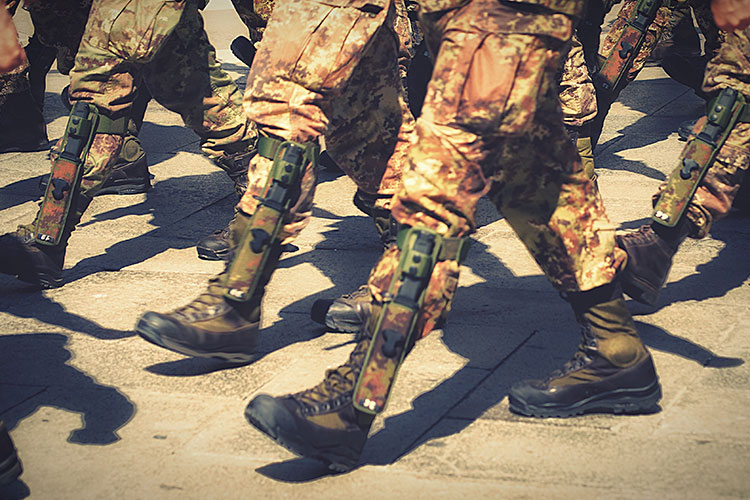
Our long-touted all-weather friendship with China remains a key part of this strategy, but it’s facing real-world challenges that show both its value and its limits. The China-Pakistan Economic Corridor (CPEC) has undoubtedly built much-needed infrastructure like roads and power plants. However, China has been hesitant to get deeply involved in our security issues, especially concerning militant safe havens, revealing that its interest is primarily economic, not a military alliance. The joint defense projects are increasing, and Chinese loans have helped Pakistan’s economy in tough times, the relationship needs to move beyond fancy ceremonies. This partnership must translate into better governance, manageable debt and real jobs for the average Pakistani to truly value it.
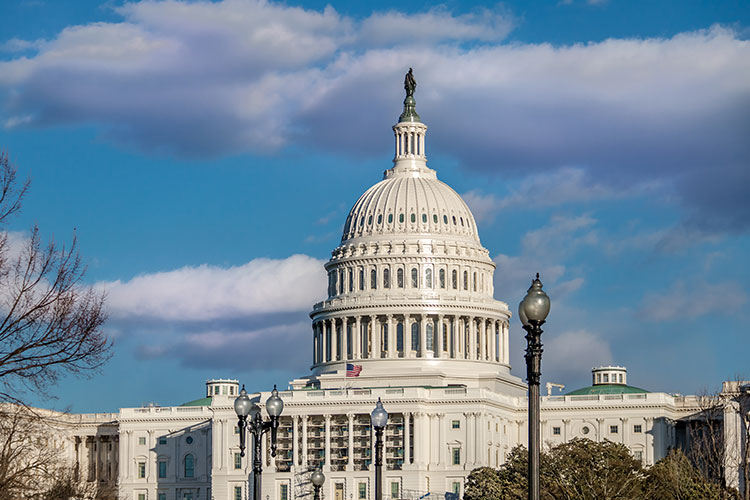
At the same time, the United States is recalibrating its relations with Pakistan, but with a completely different approach that reflects its own changed priorities. This isn’t a return to the old days of massive aid and a dynamic patron-client. The new terms are clear and business like: cooperation will focus on what each side can deliver immediately, like counterterrorism and access to Pakistan’s critical minerals. The US sees us as a useful hedge against India’s dominance in the region and a potential route to Central Asian resources. While recent support for our right to self-defense shows that cooperation is possible on specific issues, the real challenge is to benefit from this renewed American interest without getting caught in the middle of Washington’s intense rivalry with China. We must avoid being forced into a binary choice between the two.
A hugely significant shift is our growing engagement with Russia, a relationship once frozen by Cold War hostility. Today, we are actively discussing energy pipelines, strategic cooperation, and even media partnerships. Russia sees Pakistan as a reliable friend in the Islamic world and a potential market for its energy. Our recent careful handling of rising Middle East tensions, especially regarding Iran, shows a new diplomatic maturity. We managed to balance our outreach to Moscow with our geographical realities and ties with Tehran. This proves we can seek new friends without alienating our immediate neighbors, a delicate dance that is essential for survival.
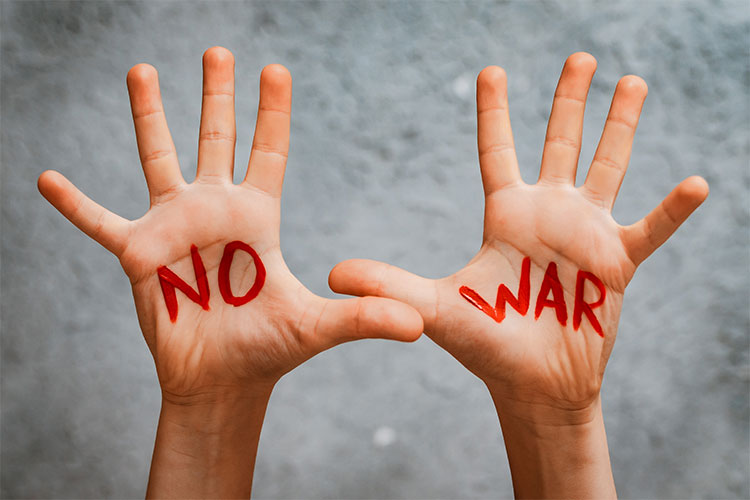
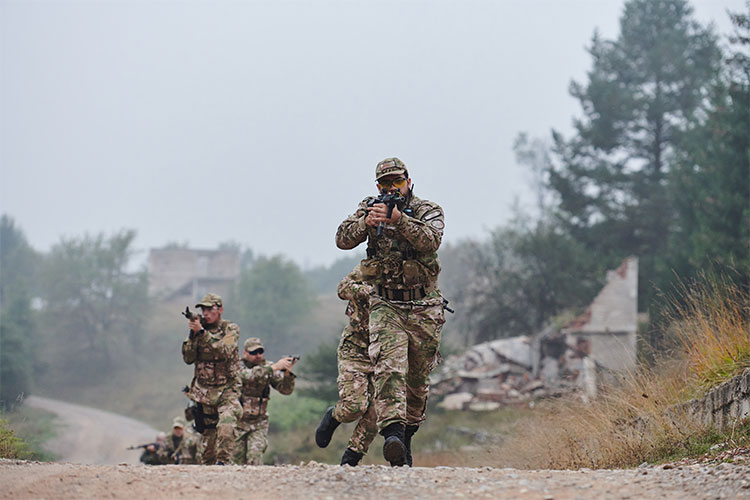
The most immediate and dangerous threat to all these carefully built partnerships is the volatile situation in the Middle East, which could easily draw in multiple countries we rely on. The conflict, with recent strikes on Iran, directly impacts us. We share a long, porous border with Iran, and any major war threatens our vital partners in the Gulf, with whom we have deep economic and defense ties. Our diplomats have been working hard, urging calm from Tehran to Riyadh, but urging calm is not the same as having the power to stop a war. The harsh truth is we are trying to balance support for our Gulf allies, maintain peace with our Iranian neighbors, and protect our own citizens from the spillover effects of a conflict that shows little regard for our borders.
Despite this chaos, there is hope. Pakistan is slowly learning to act like a mature and responsible developing power, building a diverse portfolio of relationships instead of relying on emotional appeals or past grievances. Our election to the UN Security Council, renewed ties with Bangladesh, and growing defense exports all point to this new approach. Through platforms like the Shanghai Cooperation Organization and OIC, Pakistan is trying to become a geopolitical player in our own right, with our own agency that others must respect. The future isn’t about choosing a single partner. It’s about managing all these relationships simultaneously, ensuring none dominates us. It means accepting that no great power will ever prioritize our interests over their own. The task is to navigate this multipolar chaos, secure borders through our own strength, stabilize economy through reforms, and use strategic location as an asset that earns us investment and genuine partnership. If Pakistan can move with the agility and unity we’ve recently shown, we can emerge stronger. If not, Pakistan may risk being caught in the crossfires.

- The future of Pakistan’s strategic balancing between U.S – China - March 19, 2026
- Artificial Intelligence and Narrative Warfare in the Age of Social Media - March 6, 2026
- Can a multilateral board secure peace in Gaza? - February 16, 2026









Leave a Comment
Your email address will not be published. Required fields are marked with *