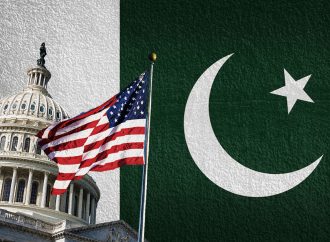
The relationship between the United States and Pakistan stands at an inflection point. Once defined on matters of counterterrorism cooperation and military aid, it is now navigating a phase of strategic recalibration. Beneath diplomatic engagements and careful joint statements lies a deeper struggle: balancing America’s Indo-Pacific priorities with Pakistan’s economic survival, regional relevance and sovereignREAD MORE
AI has become a strategic asset shaping the balance of power among nations. States are promoting innovation to remain competitive, the absence of robust regulatory frameworks risks turning AI into a destabilizing force. The debate is no longer about whether AI should be regulated, but how to balance national security, economic growth, and civil libertiesREAD MORE
U.S. Peace Board has gained attention as search for more effective ways to prevent conflict in an increasingly unstable international system. Rather than reacting to crises after they escalate into armed conflict, a Peace Board would institutionalize prevention, mediation, and long-term peacebuilding within U.S. foreign policy. While such a body would be domestic in structure,READ MORE
The United States’ military intervention in Venezuela recently has sparked intense debate within the international community, particularly regarding its legality under international law. The operation, which resulted in the capture of Venezuelan President Nicolás Maduro and his transfer to the United States to face criminal charges, represents one of the most direct uses of forceREAD MORE