Author Recent Posts Zainab Nasir Latest posts by Zainab Nasir (see all) Significance of US led Gaza Peace Plan – October 7, 2025 What needs to change in Pakistan’s fight against Terror? – September 10, 2025
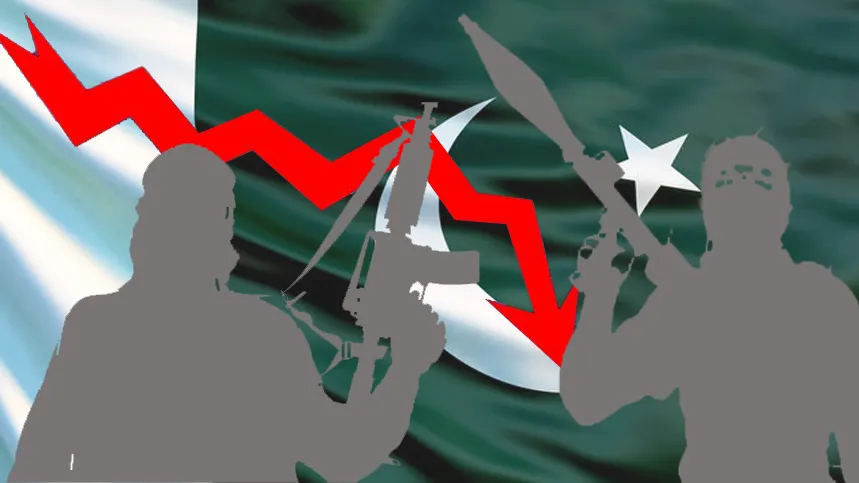
Terrorism has left lasting scars on Pakistan, damaging its economy, society, education and global image. Pakistan has relied on military operations and intelligence-based actions to counter terrorism for many years. Here the question rises do these operations were completely successful in defeating terrorism from its roots or Pakistan needs a broader strategy that address the roots of such extremism? The answer lies in reshaping in fight against terrorism by prioritizing the soft tactics that target the cause of it.
One of the most urgent fronts is the economic dimensions, with unemployment and poverty being its visible consequences. This continuous violence has driven away both foreign and local investors, which lead to shut down of industries and markets. The mostly effected areas like FATA and Khyber Pakhtunkhwa, local markets and trade routes has been destroyed that pushes families into poverty. By establishing industries, improving infrastructures and providing loans to small business, the government can give young people hope and stability. If Pakistan wants to weaken the roots of terrorism, it must consider poverty and joblessness are not just economic problem but a threat to national security. The only way to fight against terror is by providing jobs and facilities to young people, so that they choose peace instead of violence.
One of the most important change Pakistan need to do is to strengthen their governance and justice. The lack of accountability and delays in justice resulted in mistrust among youth, when people lose faith, they are more vulnerable to extremist influence. Strengthening governance means being honest, reduce corruption and to make sure public service reach people quickly, especially in conflict effected areas. Many local police stations in these areas lack proper training, resources, and technology to deal with terrorists. Strengthening institutions at the grassroots level, giving police modern tools, and ensuring merit-based appointments can make governance more effective. Setting up special courts, training prosecutors better, and giving protection to witnesses can make sure terrorists are punished fairly. When people see that the state can provide justice and security, they will trust it more, and extremist groups will lose their influence. This will help Pakistan move towards a safer and more stable society.
Rehabilitation and reintegration are one of the important tactics to fight against terrorism. Over several years, terrorist groups like Tehreek-e-Taliban Pakistan (TTP) and sectarian outfits have carried out destructive attacks on schools, mosques and local markets such as Army Public School attack in Peshawar 2014 and the attack on Bacha Khan university in 2016. Eliminating terrorist groups through military operations cannot bring peace in long term if the roots of radicalization remain unaddressed. Rehabilitation centers can help by giving proper counseling, jobs and proper religious guidance to move away from these propagandas. On the other hand, reintegration provides facilities to these people in jobs, and gain support from the communities to live normal lives. Hence, by changing their views and ideologies, Pakistan can recover its damage caused by terrorism.
Promoting interfaith cooperation and religious dialogue is an effective soft approach to counter terrorism. In Pakistan, extremist organizations often exploit sectarian and religious differences to spread hate and violence. By encouraging communication between different Islamic sects as well as with other faith communities, society can encourage tolerance, respect, and peaceful coexistence. Platforms such as peace forums, educational programs that highlight respect for diversity, and media campaigns focusing on shared values can significantly weaken extremist narratives. When people of different religious backgrounds engage in cooperation, it limits the space for terrorists to misuse religion for their agendas. Such initiatives also help reduce mistrust, encourage unity, and strengthen social cohesion. When the citizens see religion being used for peace instead of violence, they are less likely to fall for extremist propaganda.
Extremist groups also use social media propaganda to spread violence. To counter this sort of violation, Pakistan needs to focus on promoting online campaigns to spread the idea of peace, tolerance and unity. Journalists, trusted religious scholars and influencers can help spread positive messages and guide people how these extremist groups are misleading young people. Educational programs and short video clips can also raise awareness about the pain and destruction caused by terrorism. If media will be used wisely, it can help youth to counter terrorism by breaking the influence of extremist groups.
Pakistan cannot fight against terrorism with force only, it requires a deep focus on soft tactics that address the roots of it. By providing education, jobs, ensuring justice and using media for positive narratives, state can weaken the cause of extremism. True change will come when the fight against terror should be consider in terms of seeking opportunities, justice, and unity. Only then can Pakistan move toward lasting stability and prosperity.

- Significance of US led Gaza Peace Plan - October 7, 2025
- What needs to change in Pakistan’s fight against Terror? - September 10, 2025