



An International Law Analysis of the U.S. Intervention in Venezuela
- Blog, Economic Security, Human Security, National Security
- January 23, 2026

Human security is a national and international security approach that prioritises humans and their complex social and economic relationships. The notion of human security differs from traditional security studies, which focus on state security. Individuals are the subjects of the human security approach, and the final aim is to protect people against conventional (i.e., military) and nontraditional dangers such as poverty and sickness. Moving the security agenda beyond state security means complementing and expanding, not replacing it. The concept that human security deprivation may undermine peace and stability within and between governments is central to this strategy. In contrast, an overemphasis on state security can harm human security.
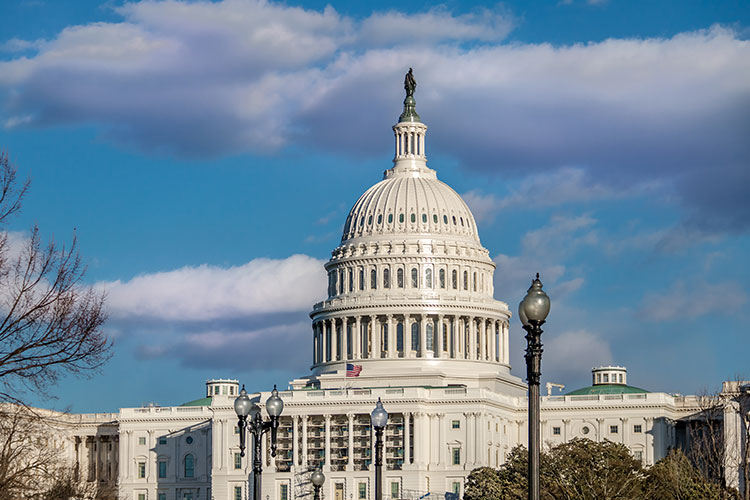
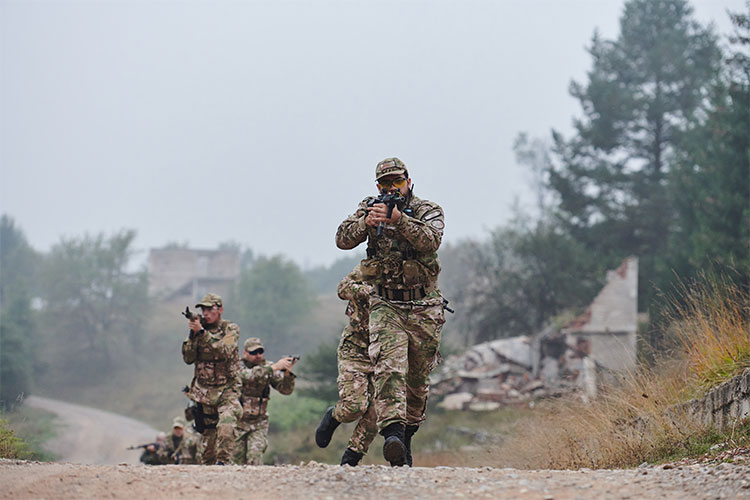
The United States’ military intervention in Venezuela recently has sparked intense debate within the international community, particularly regarding its legality under international law. The operation, which resulted in the capture of Venezuelan President Nicolás Maduro and his transfer to the United States to face criminal charges, represents one of the most direct uses of force
The lack of mutual trust between Pakistan and Afghanistan led to the failure of talks. Since 2021, with the rise of the Afghan Taliban Tehrik-e-Taliban Pakistan (TTP) has become an existential threat to Pakistan’s national security. Pakistan has made many attempts to engage the Afghan Taliban in diplomatic talks to solve the security issues. The
Pakistan aims to tackle the issue of misinformation in the digital age by making several amendments in PECA. In the contemporary era, Pakistan faces serious challenges regarding the growing threat of misinformation. Pakistan takes certain actions to tackle the modern issue with modern means, including amending the Prevention of Electronic Crime Act, which was basically
Misinformation involves prioritising fiction over factual information. Misinformation is a distant cousin of rumour, gossip, and word of mouth, which have been used since the birth of earth to cause harm, distrust and division. As time has evolved, a new species has been discovered: misinformation. which is used as a mechanism to cause unrest and
The public trust in the judiciary has been seriously shaken after the 27th amendment. The 27th constitutional amendment brings major changes in the judicial structure of Pakistan. A new court “Federal Constitutional Court”, would be established, conferring all the powers of the Supreme Court. The Supreme Court will be the appellant court, not the apex
The sudden rise in cross-border militancy, the recent deterioration in Pakistan–Afghanistan relations, and the failure of repeated rounds of dialogue with Kabul raise an unavoidable question: Has Pakistan reached the limits of its traditional counterterrorism tools, and is it time to push for a new regional framework? For decades, Pakistan’s counterterrorism posture has relied on
The Centre for Law and Security (CLAS) is a non-partisan policy research institution that aims to define the future of national security in Pakistan
No 68, Behind Nescom, H-11/4,
Islamabad
Pakistan
Phone: +92 51 4866181-7