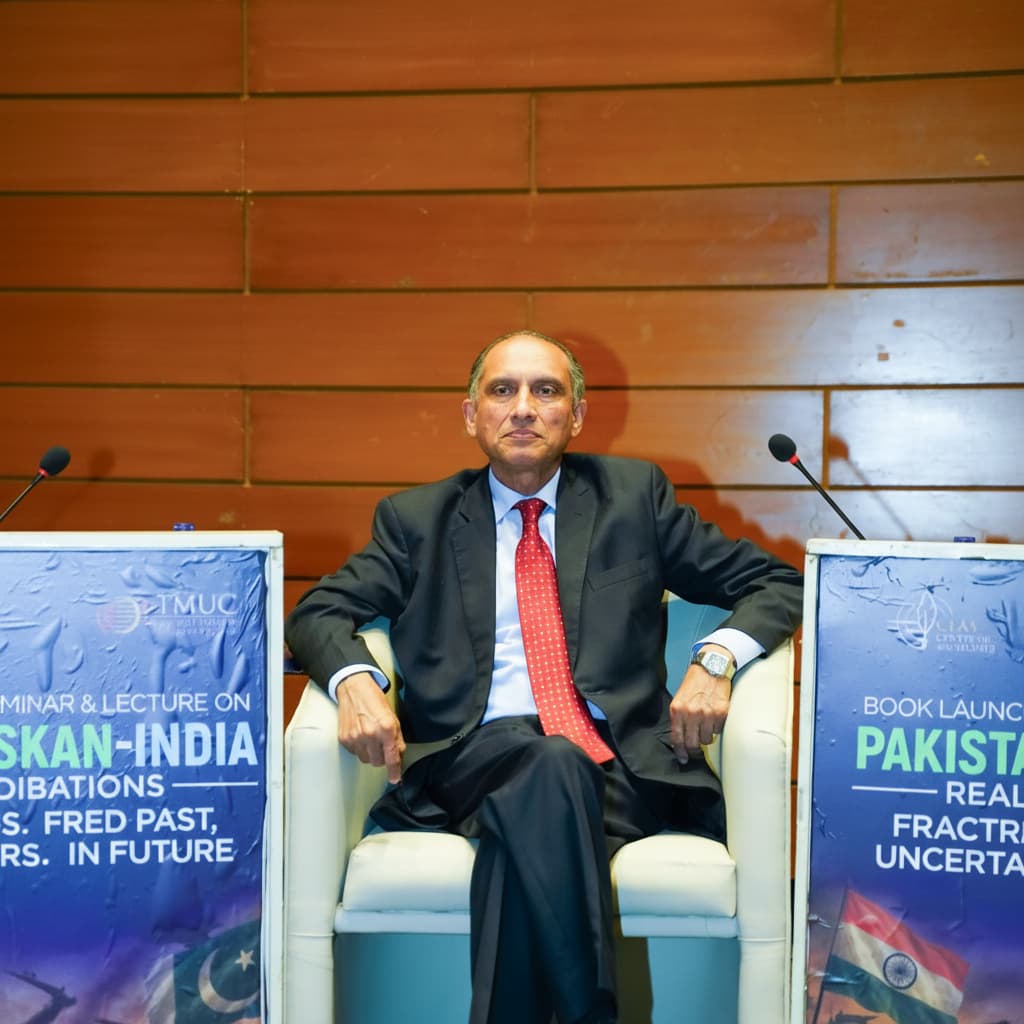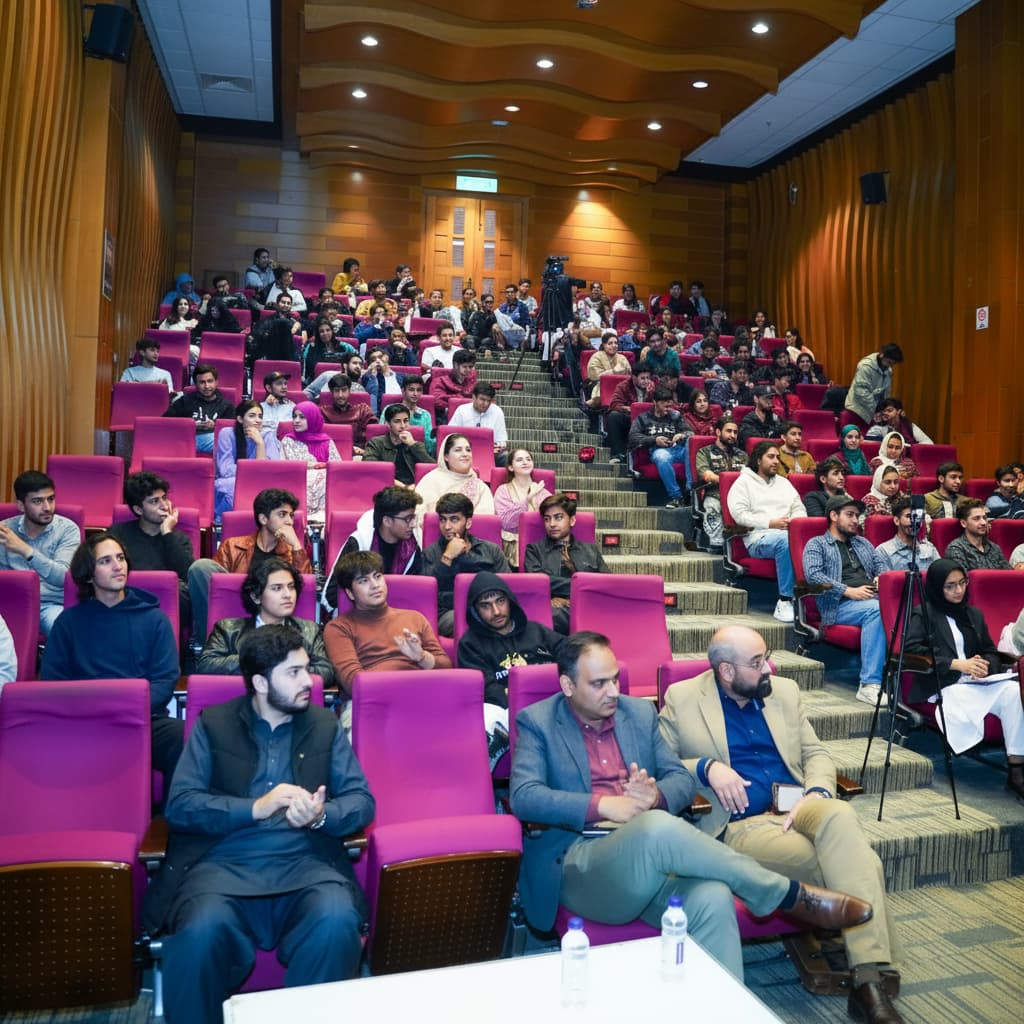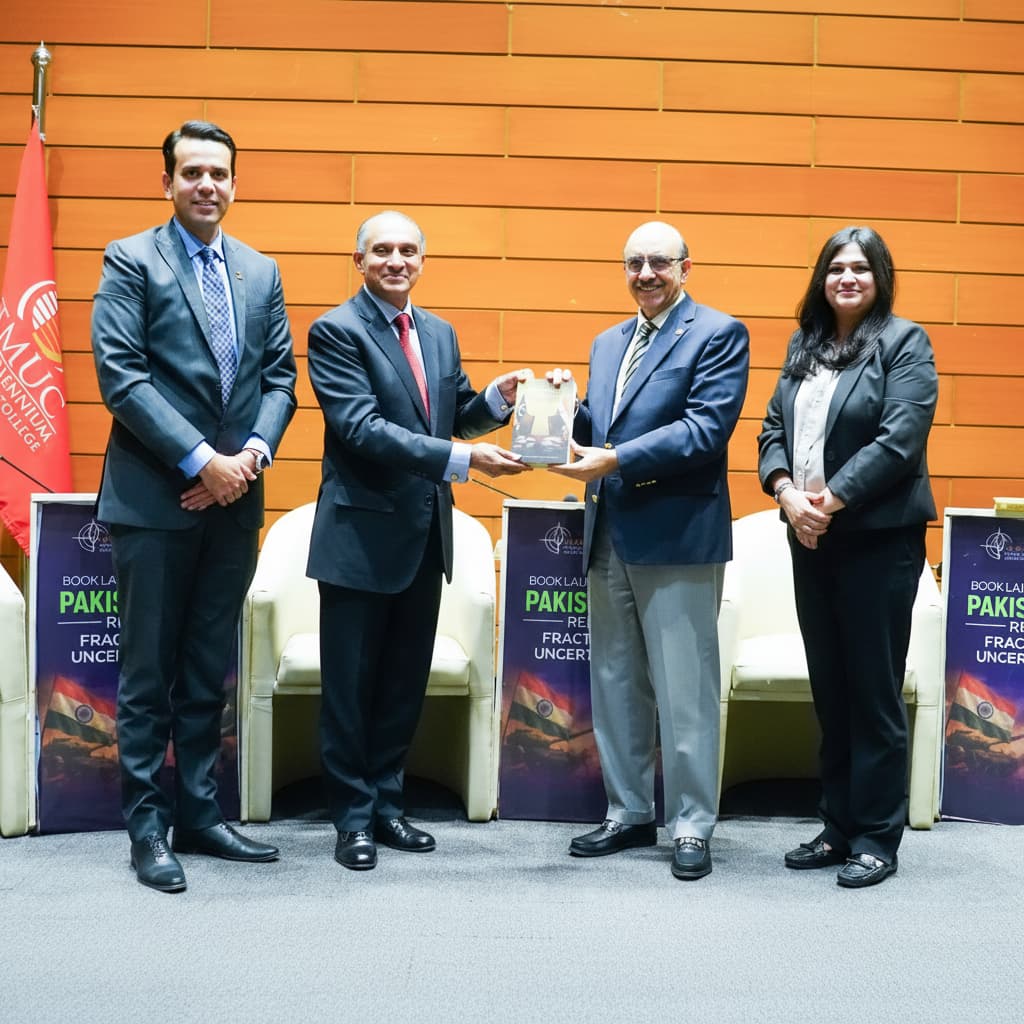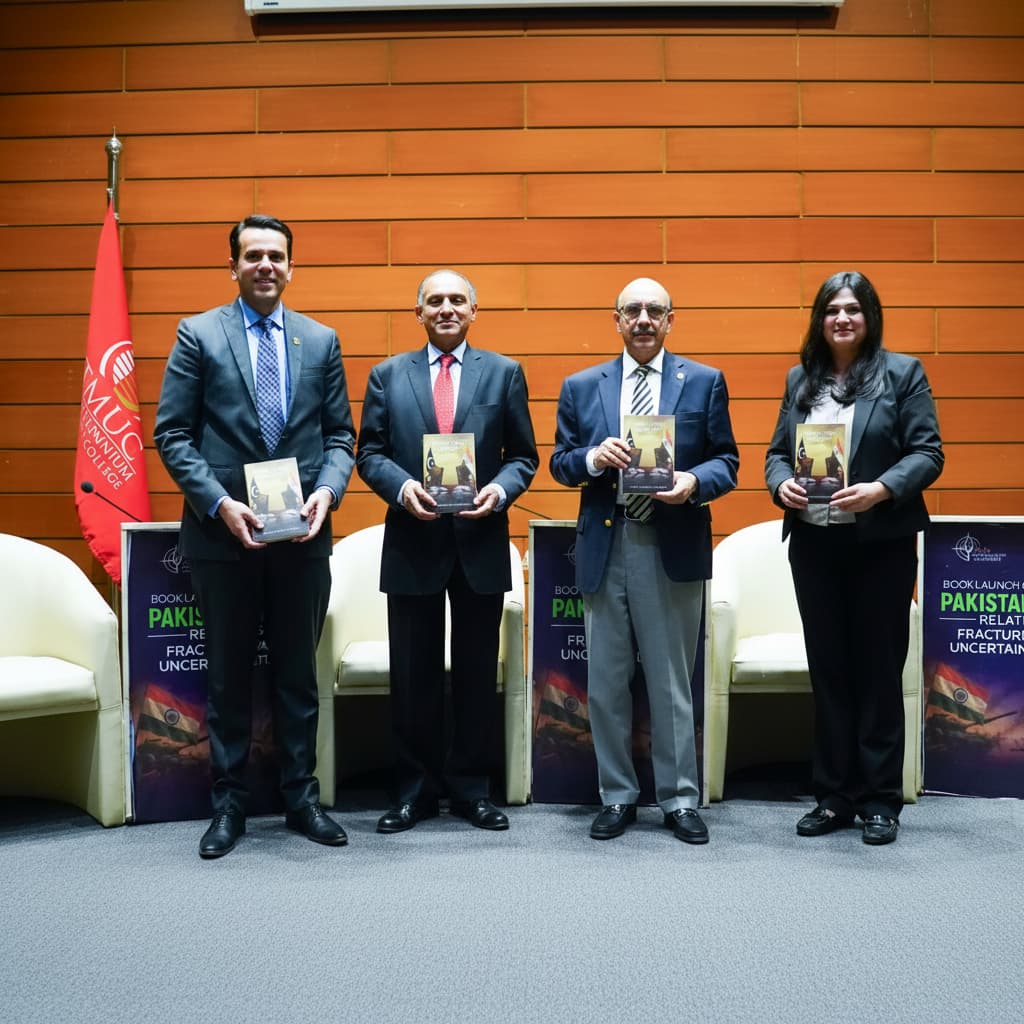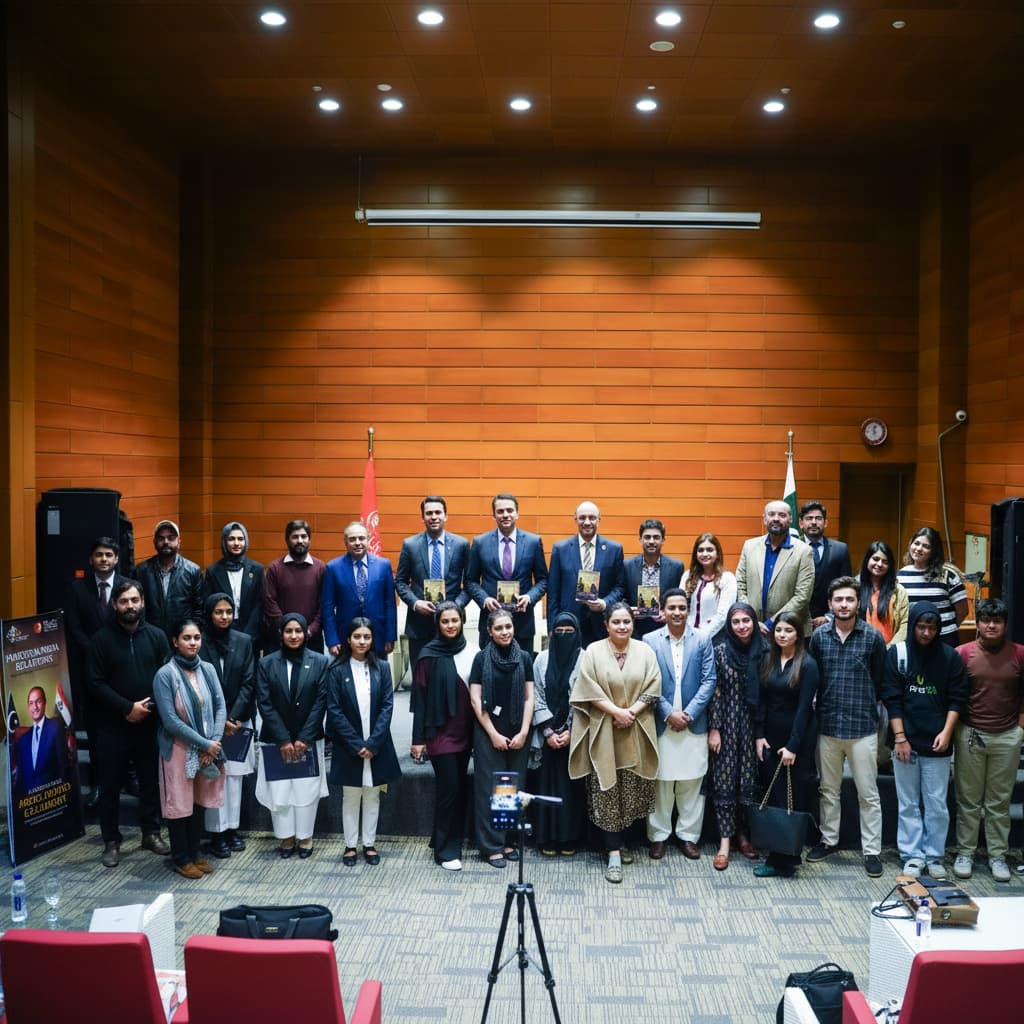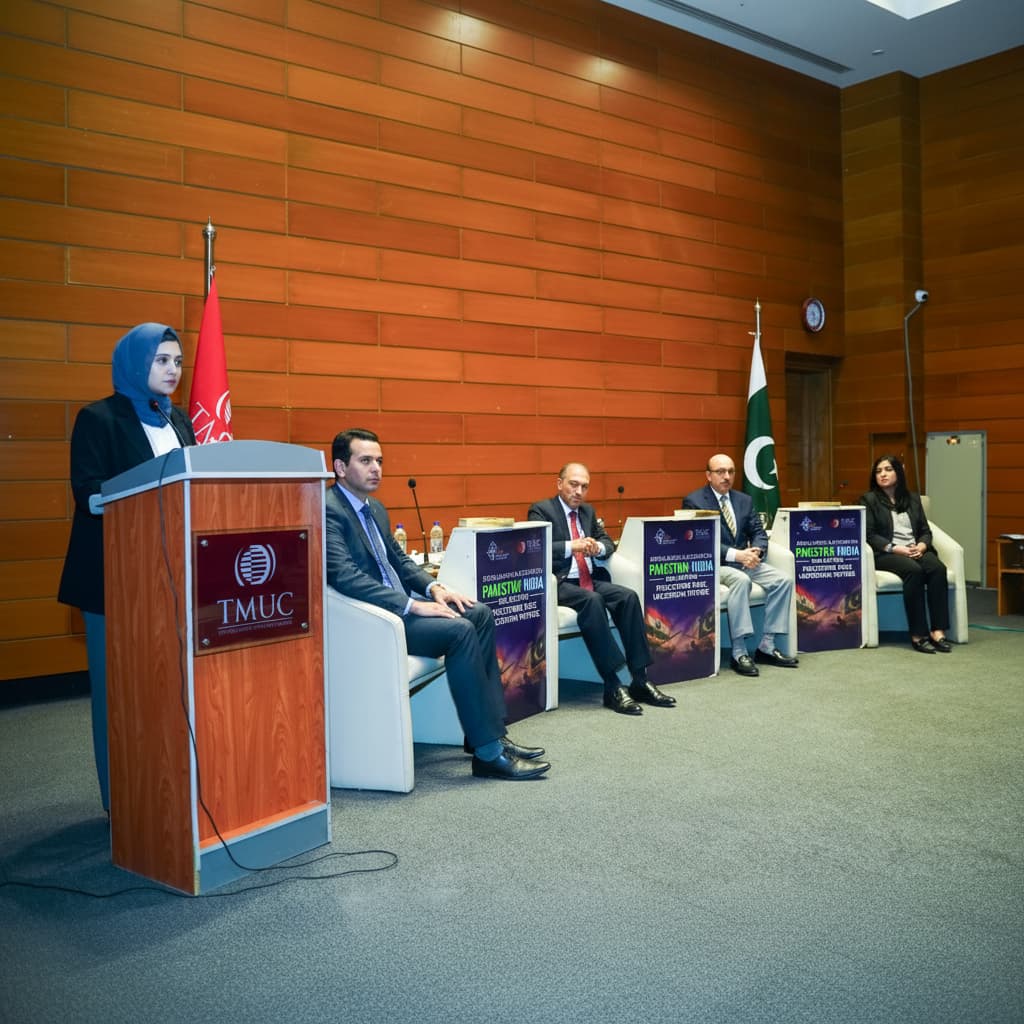
Islamabad, November 19th the Centre for Law and Security (CLAS), in collaboration with The Millennium Universal College (TMUC), hosted the launch of Ambassador Aizaz Ahmad Chaudhry’s latest book, Pakistan–India Relations: Fractured Past, Uncertain Future, at TMUC Islamabad.
The event brought together scholars, students and policy practitioners for an in-depth conversation on one of South Asia’s most enduring and complex bilateral relationships. Ambassador Chaudhry’s book offers a comprehensive assessment of the historical trajectory of Pakistan-India relations while analyzing current geopolitical tensions and the path forward amid regional instability.
This session was moderated by Mr. Rehman Azhar, Executive Director at CLAS, who steered the conversation toward the strategic, historical, and diplomatic nuances addressed in the book. The event was hosted by Ms. Rabia Anwar, Research Associate at CLAS, who welcomed participants and highlighted the importance of scholarly engagement on geopolitical issues affecting the region.
In his keynote remarks, Ambassador Chaudhry highlighted the need for strategic clarity, diplomatic prudence, and a renewed commitment to peace in South Asia. He underscored that while the two nations share a deeply fractured past, understanding this history is essential for shaping a more stable and predictable future. The author also reflected on the evolving security environment, the rise of new global power dynamics, and the role of responsible statecraft in preventing escalation.
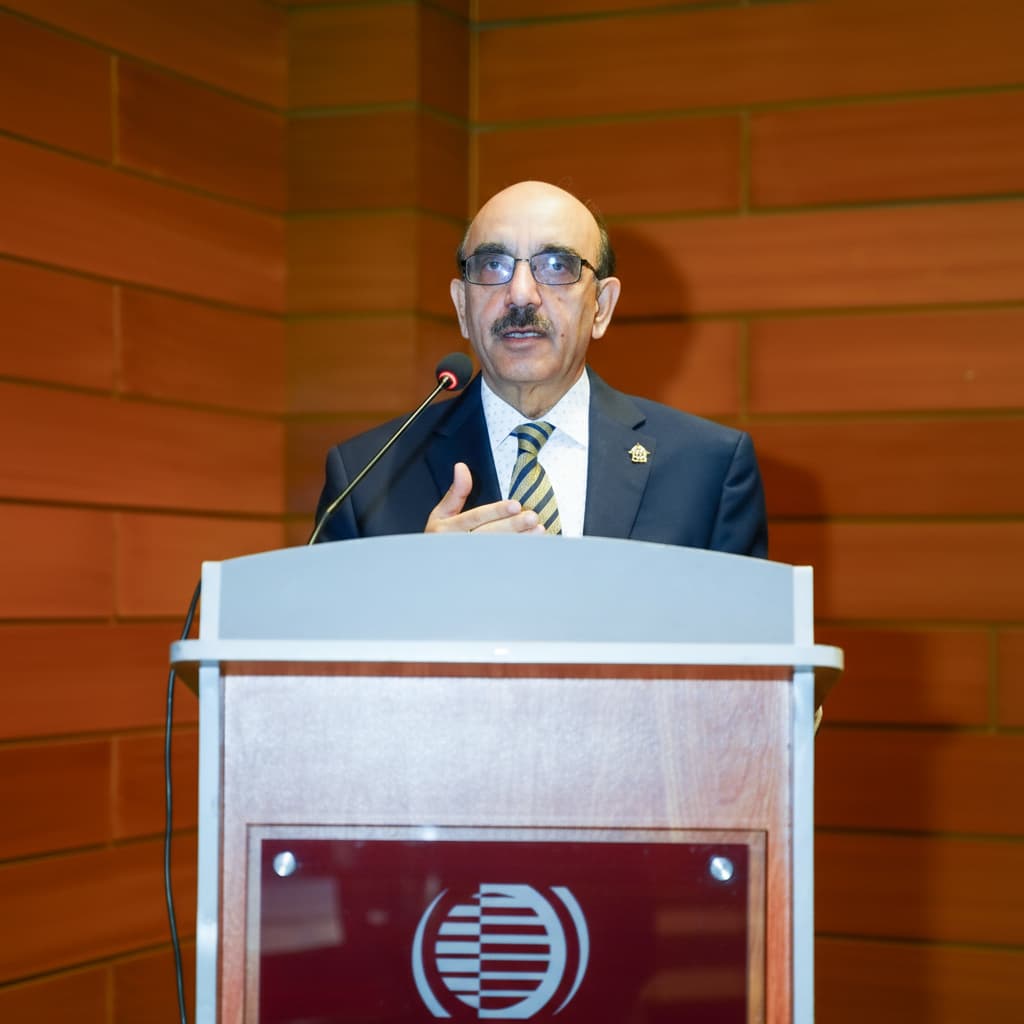
Ambassador Sardar Masood Khan, offering his reflections on the book, commended Ambassador Chaudhry for producing a balanced, richly researched, and analytically sharp contribution. He noted that the book captures both the structural tensions and the human dimensions embedded in the bilateral relationship, providing a vital reference for scholars and policymakers alike. Ambassador Masood described the work as “a thoughtful roadmap for navigating the complex terrain of South Asian politics,” praising its historical depth and policy relevance.
The event also featured an interactive discussion, where participants engaged with the author on issues such as conflict legacy, , deterrence stability, and the future of diplomacy in a multipolar world. TMUC faculty and students contributed thoughtful questions on youth involvement in peacebuilding, narrative construction, and media influence on bilateral relations.